What is a Cross-Bore? Risks, Prevention, and Why It Matters

Alayna Dixon • April 13, 2026

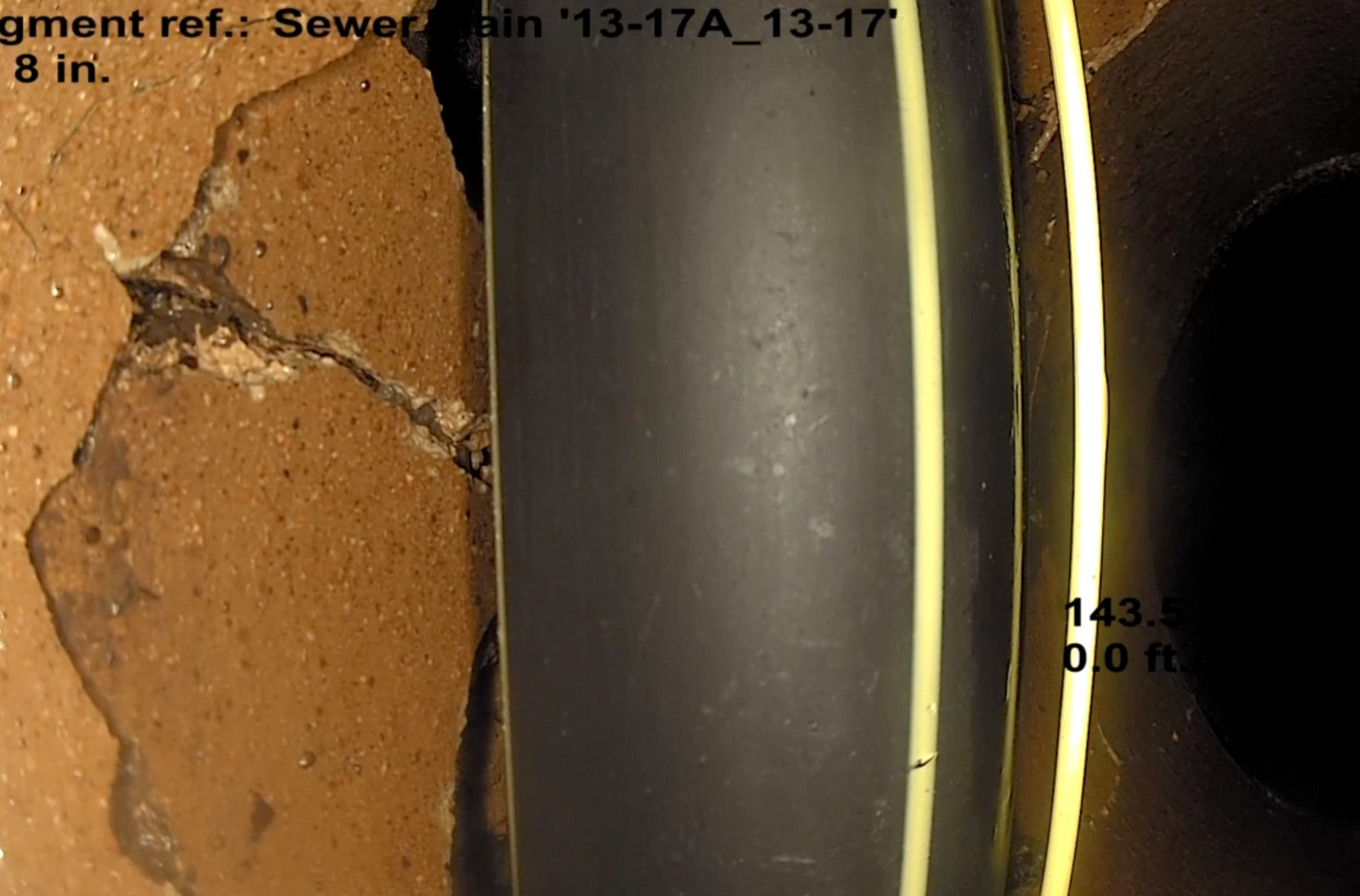
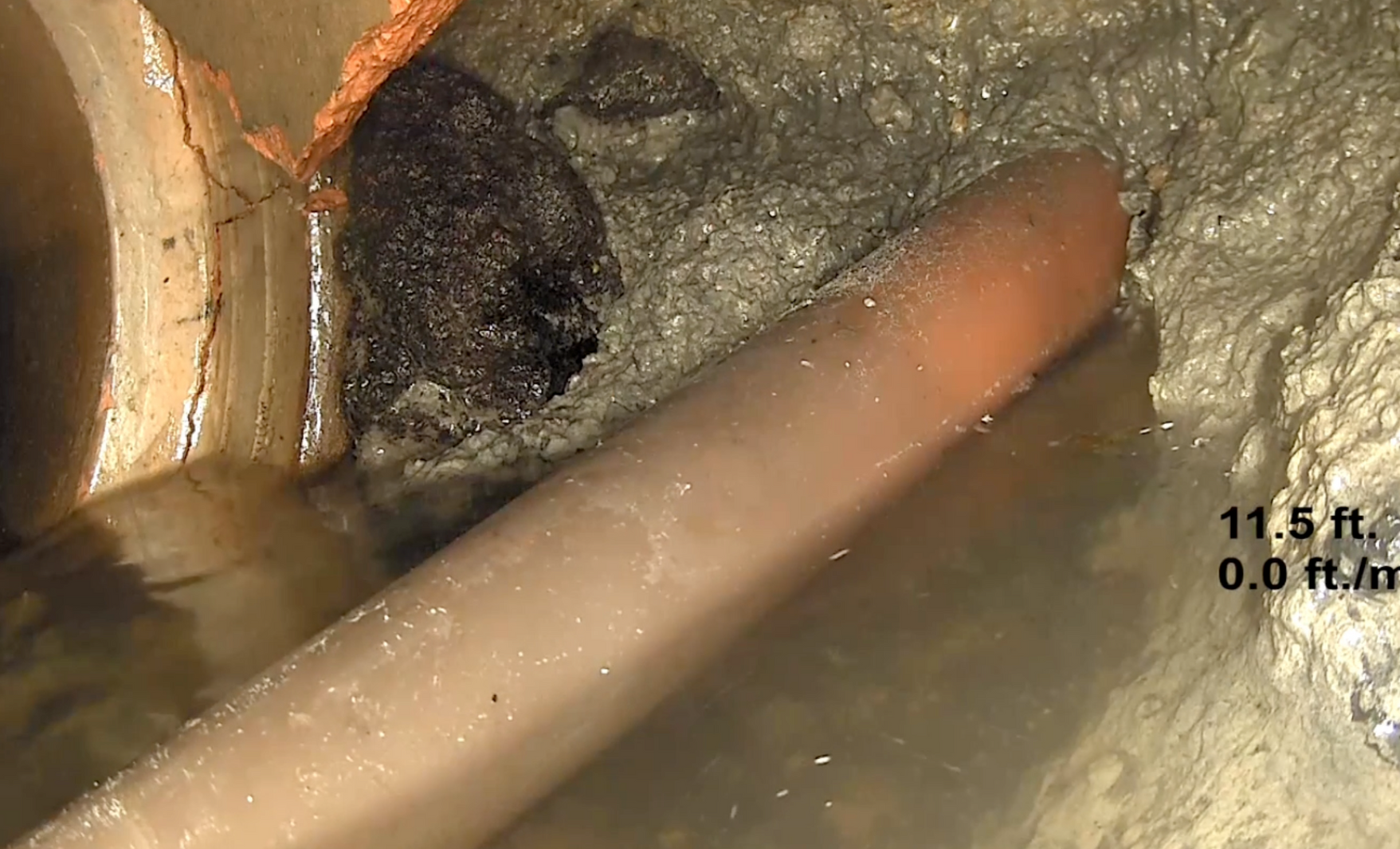
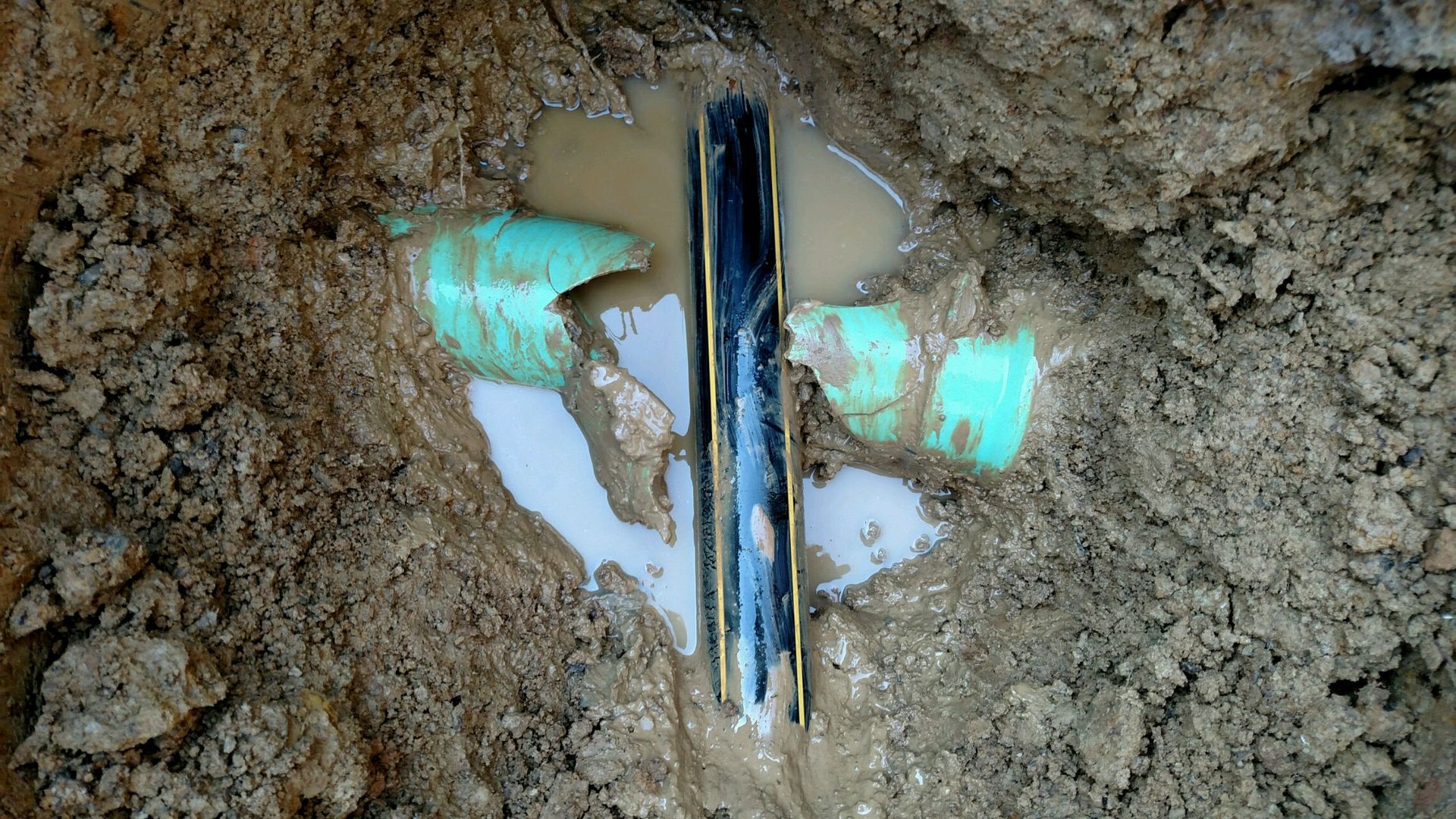
A cross-bore is the accidental intersection of underground utilities. This usually happens when a gas, fiber, or telecom line is bored through an existing sewer or storm drain pipe.


These conflicts are hidden underground and often lack tracer wires, which makes them difficult to detect. In many cases, they remain unnoticed until routine maintenance or a failure brings them to light and disaster strikes.

Why Cross-Bores Matter

Cross-bores are not just an infrastructure issue. They are a serious safety concern.


If left unaddressed, cross-bores can lead to:

  • Sewer backups and property damage
  • Service interruptions to fiber and telecom networks
  • Gas leaks and potential explosions
  • Injury or loss of life
  • Regulatory penalties and legal liability
  • Damage to public trust


Many incidents happen during routine sewer cleaning or plumbing work when equipment hits a gas line that was never identified.

Why Basic Inspection Is Not Enough

Preventing cross-bores takes more than a single inspection method. A push camera alone cannot provide full system visibility. Hydroexcavation is useful, but it is not designed to inspect internal pipe conditions or confirm lateral connections.


Effective cross-bore prevention requires a combination of:

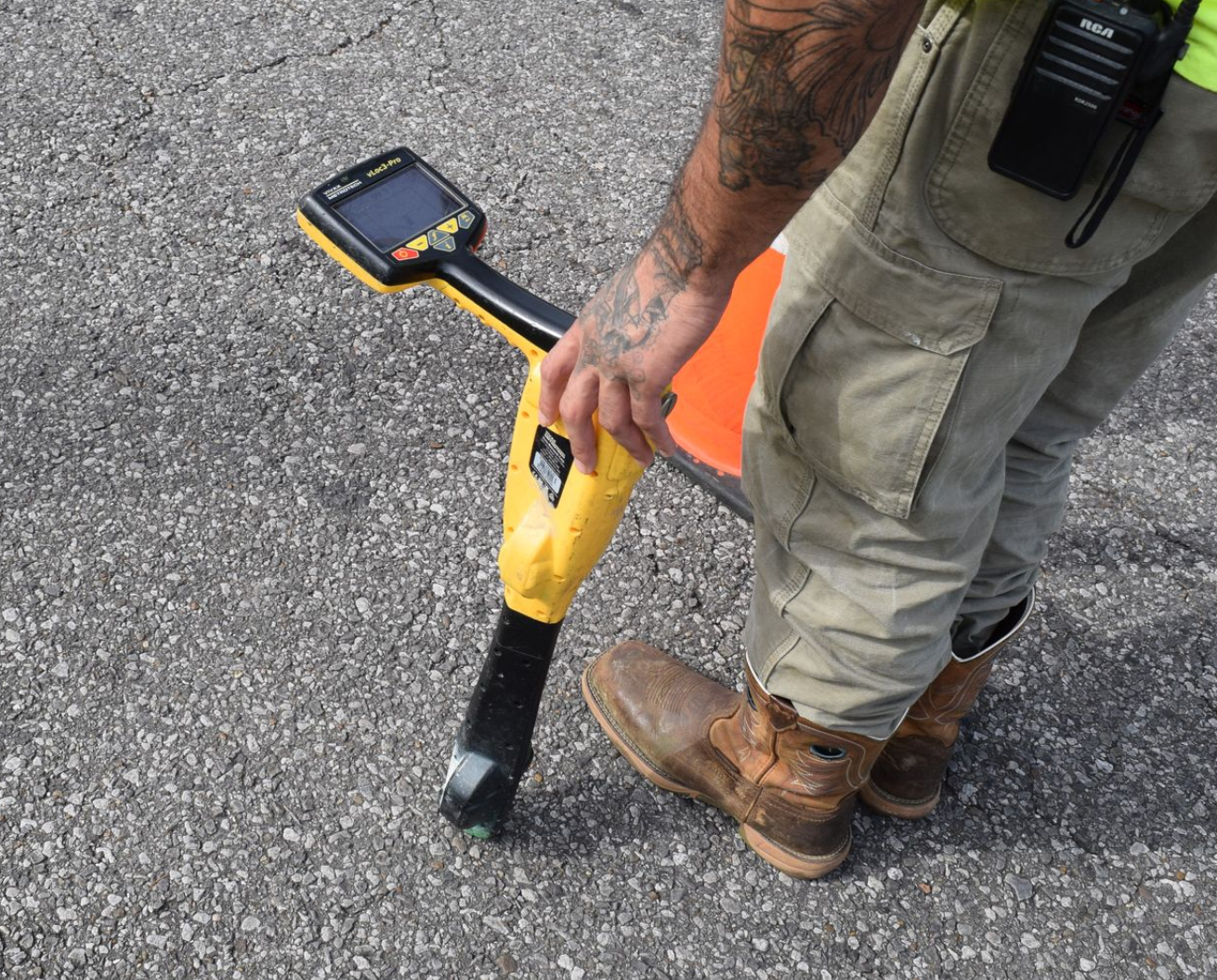
  • Accurate utility locating
  • Internal pipeline inspections
  • Lateral visibility
  • Real-time mapping and documentation


Without this comprehensive evaluation approach, critical issues can be missed.

CES Cross-Bore Services

CES provides a proactive approach to cross-bore prevention with services designed to identify risks at every stage:


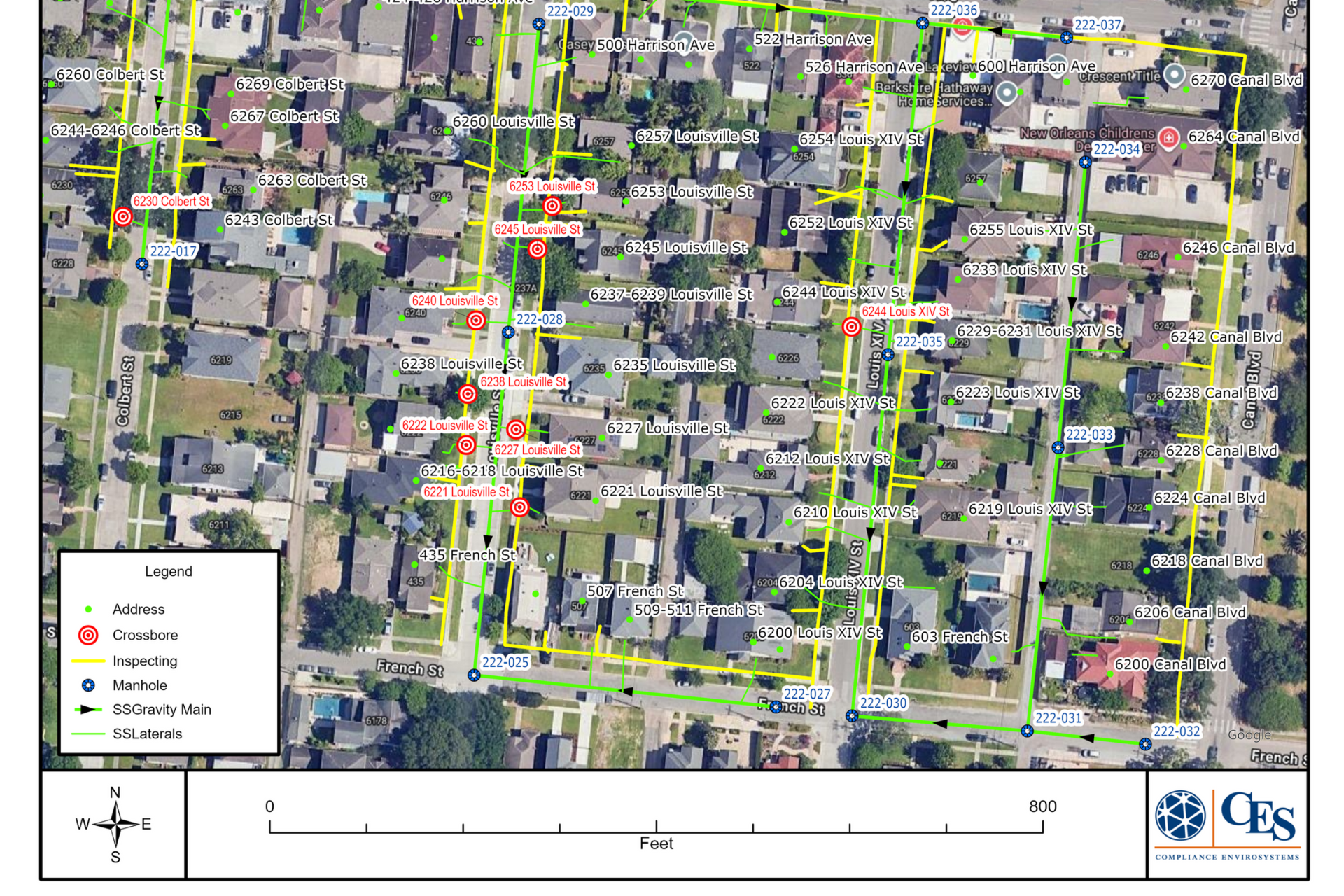
  • Pre-Bore Locating: Map sewer mains and laterals before drilling begins to avoid conflicts.
  • Post-Bore Inspections: Verify installations and document conditions with GIS data.
  • Legacy and Replacement Projects: Inspect existing systems to uncover previously undetected cross-bores.

Technology That Delivers Results

CES uses a combination of proven tools to improve accuracy and visibility:

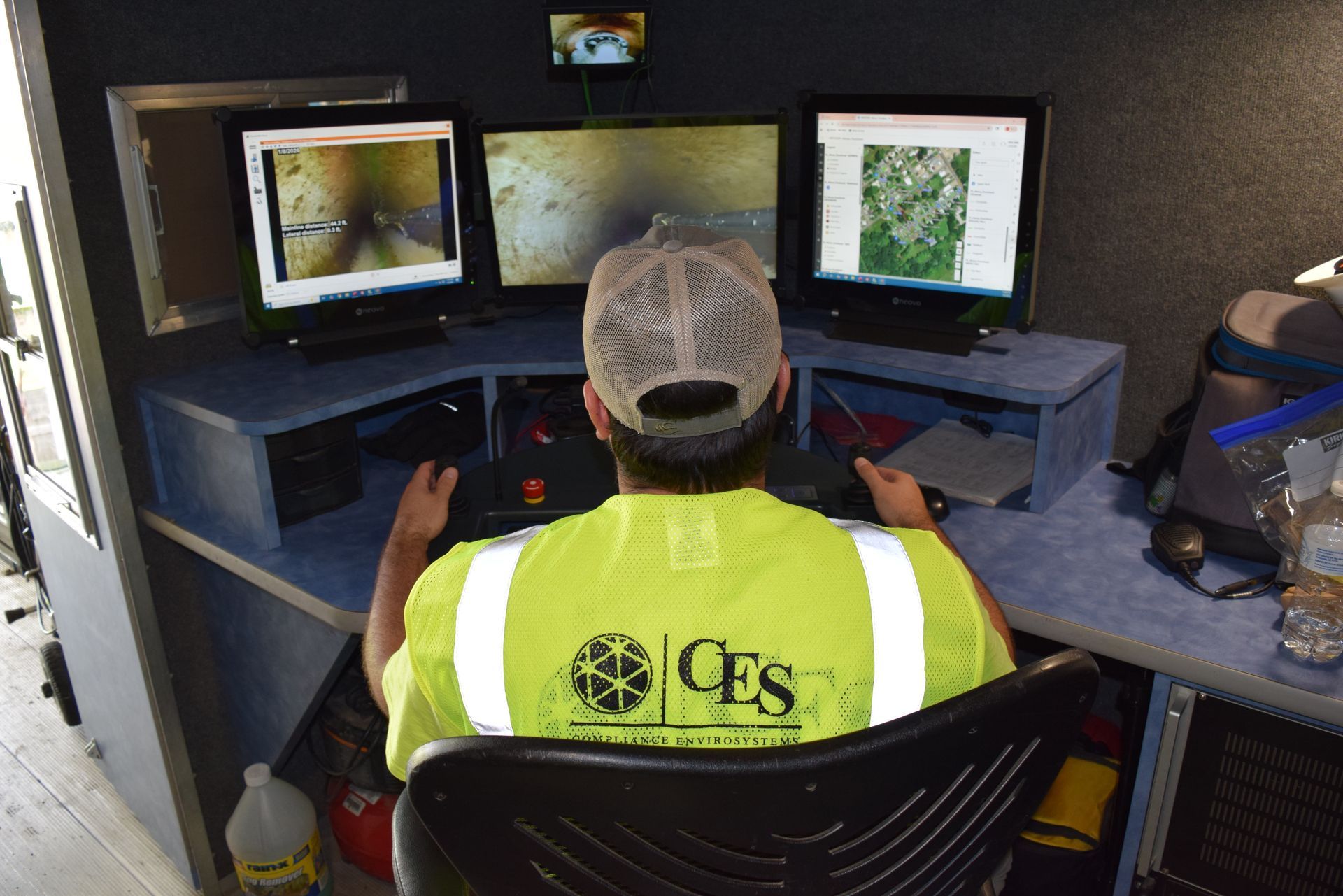
- Advanced CCTV cameras with sonde transmitters

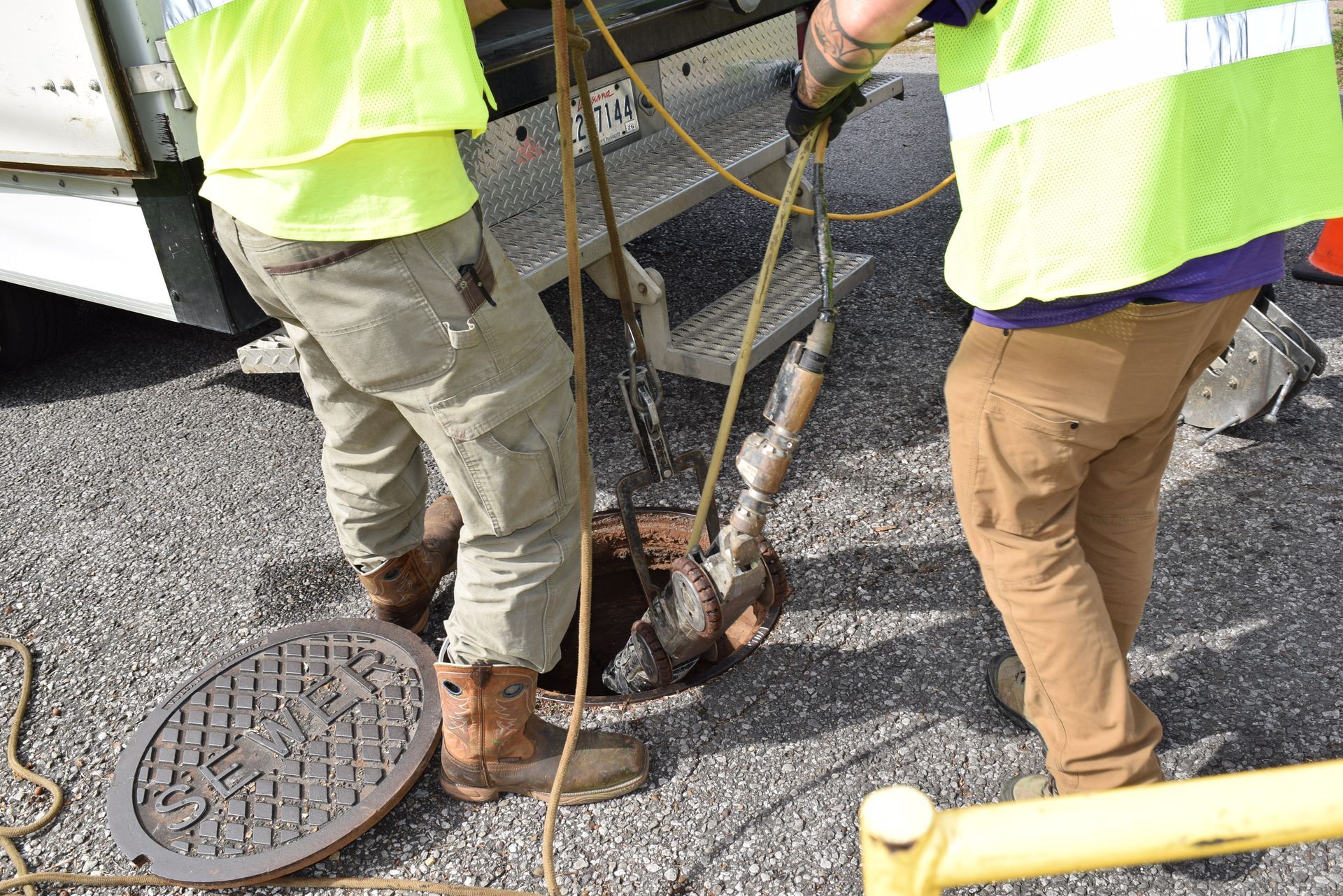
- Lateral launch systems from mainline or cleanout

- Push cameras for targeted inspections

- Highly-accurate GPS and GIS mapping for real-time data


This technology helps teams understand exactly what is happening below ground.

Data That Protects LIVES (and Budgets)

The key to preventing cross-bores is simple. Know what is underground before drilling begins.

CES provides digital mapping that supports better planning, safer construction, and fewer expensive mistakes.


By the numbers:

  • Less than 0.05% risk of cross-bores when pre-bore mapping is completed
  • Estimated 6 to 10% risk without it


That difference can mean avoiding major damage, service disruption, expensive repairs, or—most importantly—a life-threatening incident.

Start with the Right Information

Cross-bores are preventable with the right process and the right data. If you are planning a project that involves directional drilling or utility installation, CES can help you reduce risk and improve safety from the start.


Visit our cross-bore service page for more information, or contact our team to learn more or schedule a presentation.

By Alayna Dixon March 12, 2026
When it comes to managing underground infrastructure assets, many municipalities and utilities rely on drawings that no longer reflect what actually exists underground. Over the years, pipes shift, repairs are made, and records become outdated. When pipe location, slope, or elevation is uncertain, it becomes harder to plan inspections, locate defects, and prioritize rehabilitation needs cost-effectively.
By Alayna Dixon February 16, 2026
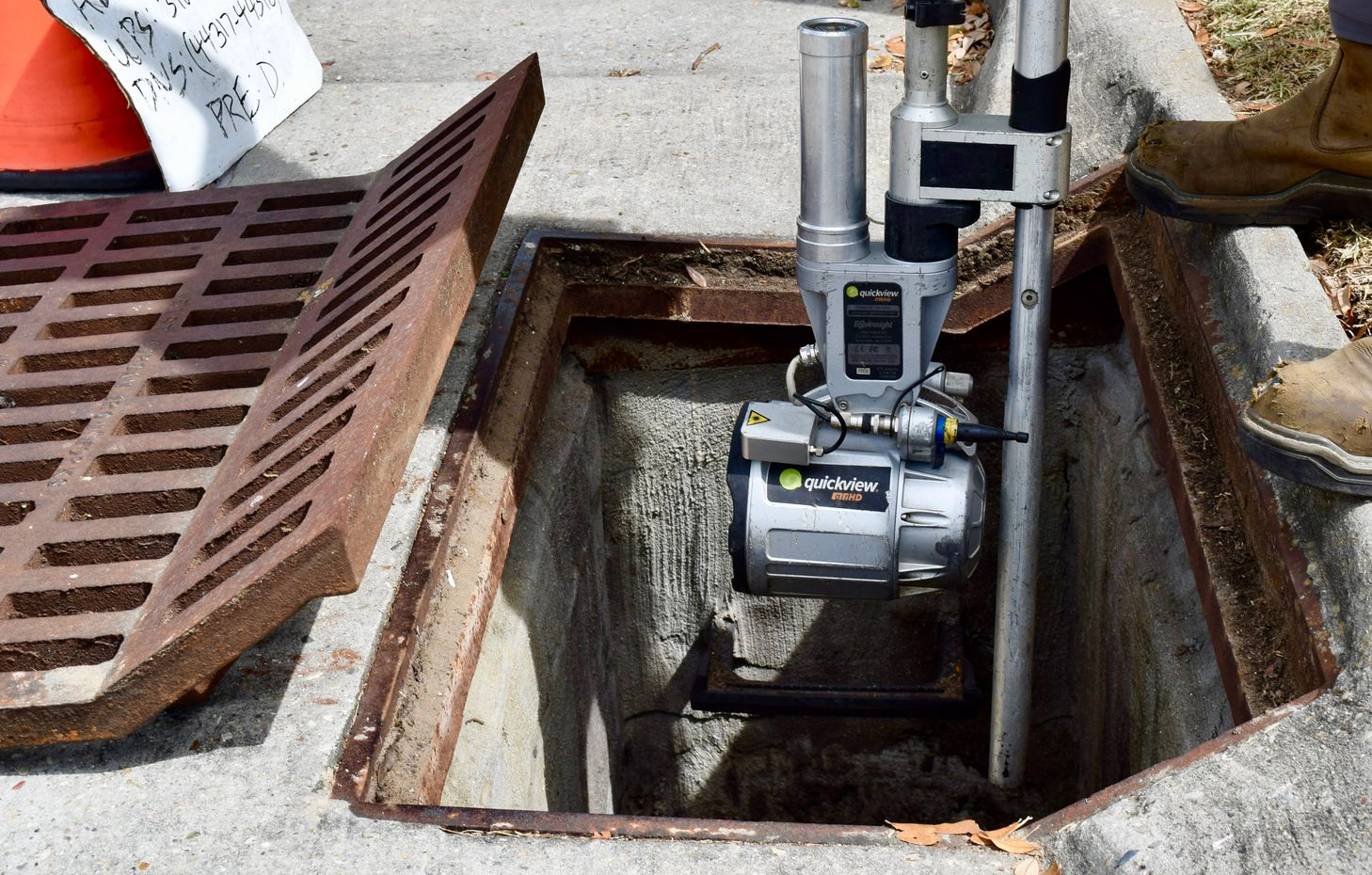
Managing a stormwater system can be challenging because most of the infrastructure is buried and out of sight. Pipes, storm structures, and catch basins can accumulate high levels of debris or develop significant defects without obvious warning signs. Over time, these hidden problems can lead to flooding, road damage, environmental concerns, and expensive emergency repairs.
By Alayna Dixon & Alison Escobar January 15, 2026
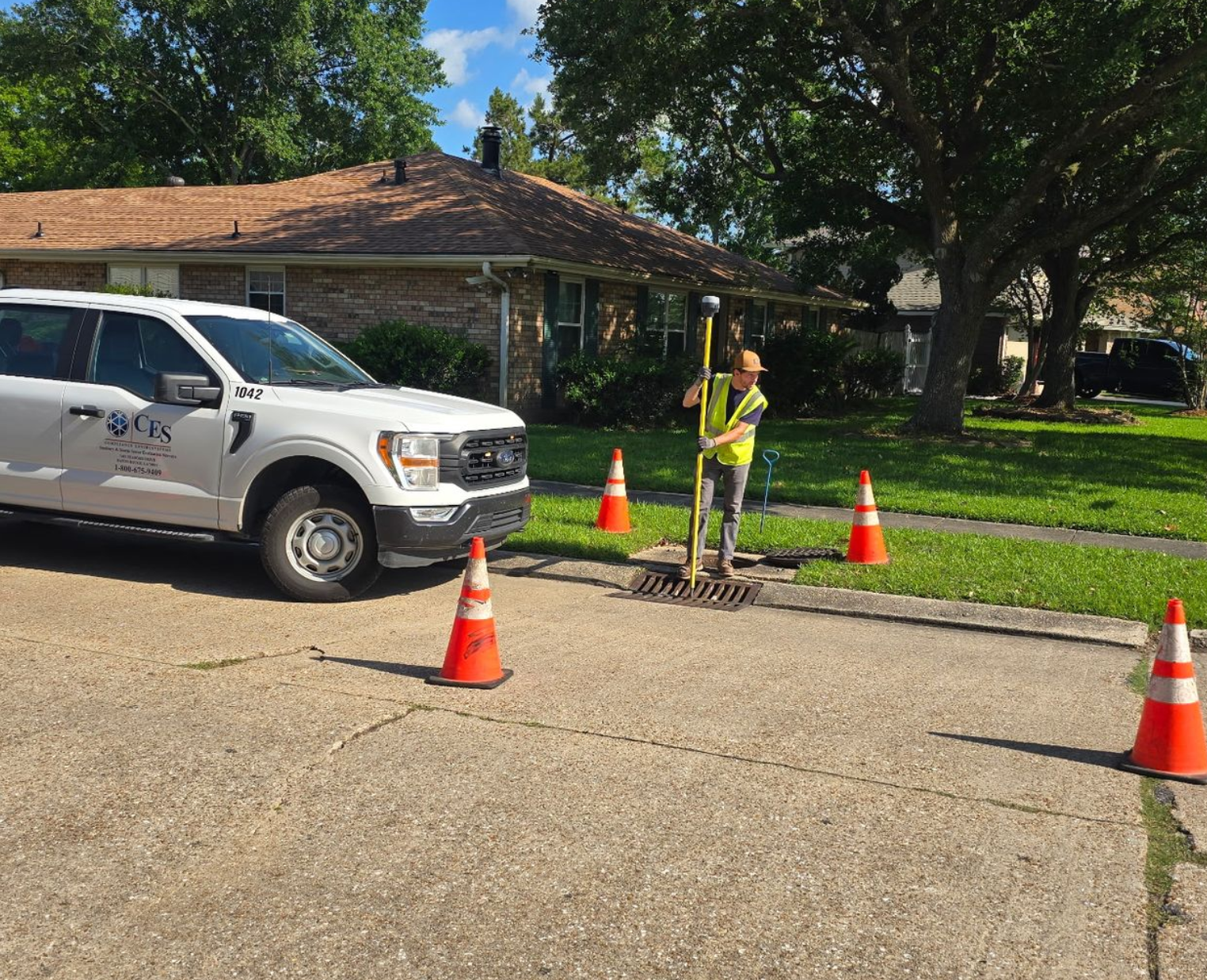
Have you noticed persistent standing water after it rains, slow drainage, foul odors, or visible debris accumulating inside or around your system’s catch basins? These issues are often tell-tale signs that your stormwater structures need attention.
By Alayna Dixon December 10, 2025
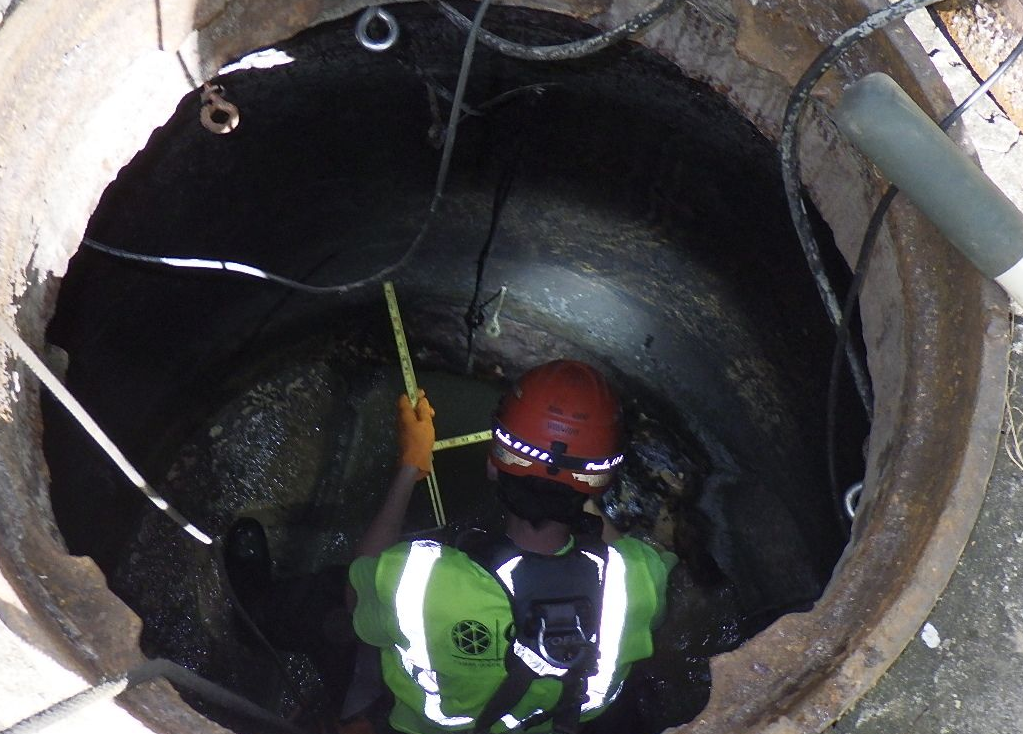
Have you noticed unexpected flow spikes after it rains, manholes overflowing, or capacity issues with your sewer or stormwater system?
By Alison Escobar & Alayna Dixon November 10, 2025
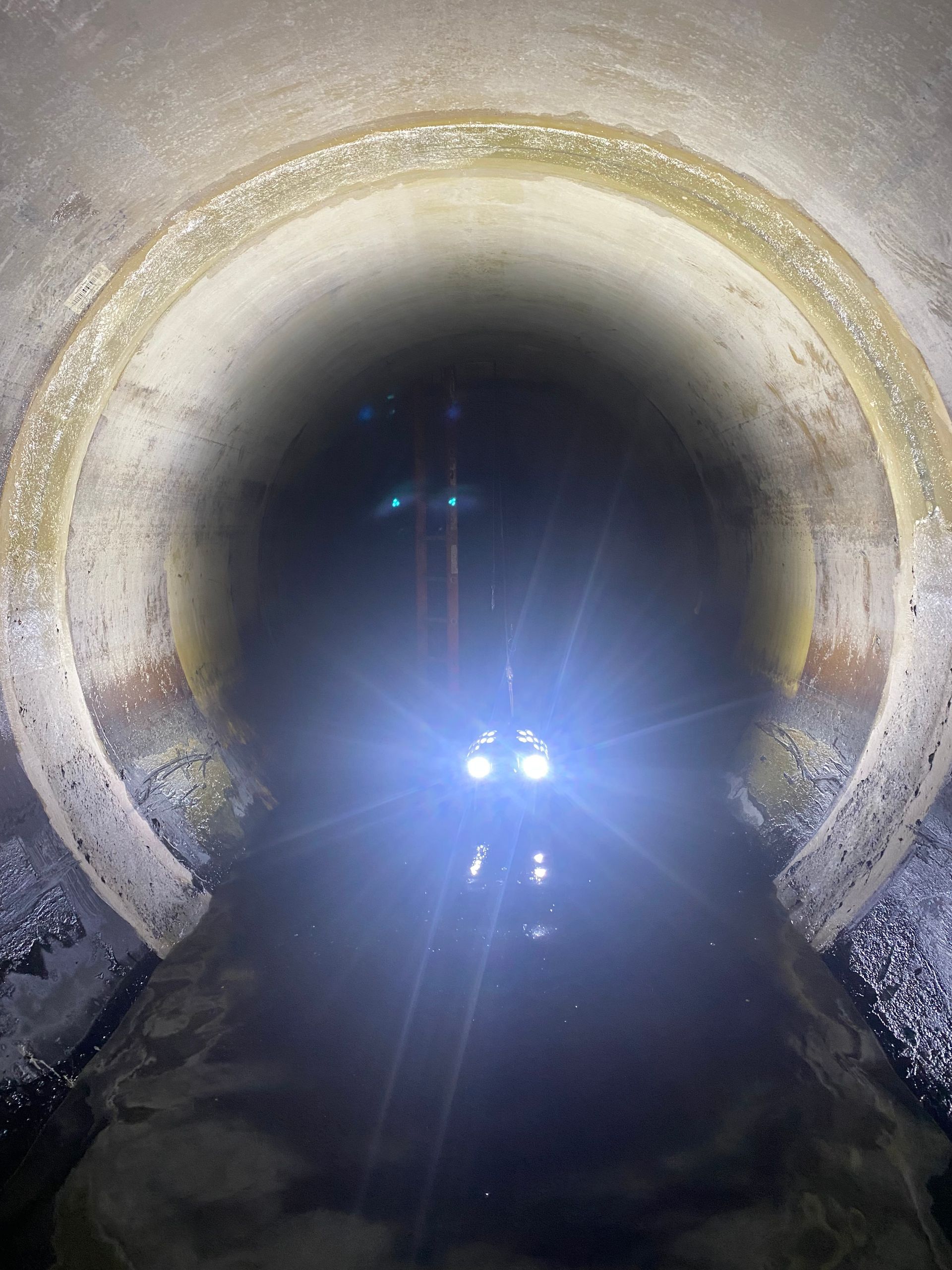
Do you notice persistent odors, high-flow levels, or signs of structural wear in your sanitary sewer or stormwater system? These issues often indicate the need for a more thorough inspection of your system, particularly concerning large-diameter pipes. Traditional inspection methods can leave large portions of pipes unexamined, especially in high-flow or large-diameter scenarios. At Compliance EnviroSystems (CES), we use a smarter inspection technique to ensure systems are operating at full capacity: Sonar and Multi-Sensor Inspections.
By Alison Escobar & Alayna Dixon October 15, 2025
Common challenges for municipalities, engineers, and utility providers are undetected leaks and inflows that overwhelm the sewer system. When you don’t know where Inflow and Infiltration (I/I) comes from or what is causing your system’s issues, you often end up spending more money than is necessary to fix it. At Compliance EnviroSystems (CES), we provide a smarter, quicker, and more cost-effective solution: Smoke Testing.
By Alayna Dixon August 29, 2025
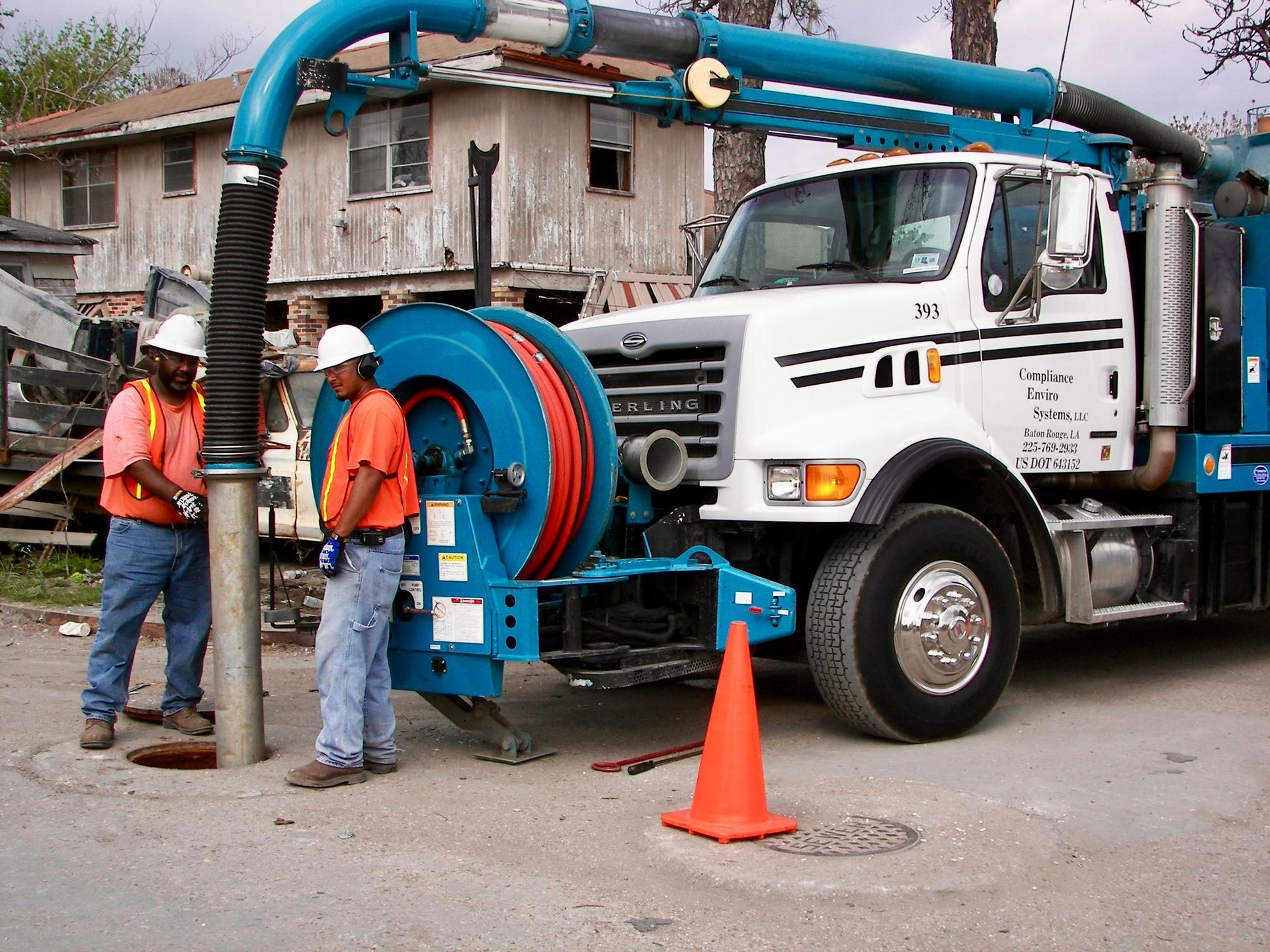
On August 29, 2005, Hurricane Katrina struck the Gulf Coast, causing substantial devastation across South Louisiana and Mississippi. Levee failures flooded New Orleans, thousands of lives were lost, and entire communities were forever changed. For those of us who call Louisiana home, Katrina is not just a moment in history. It’s personal.
April 14, 2025
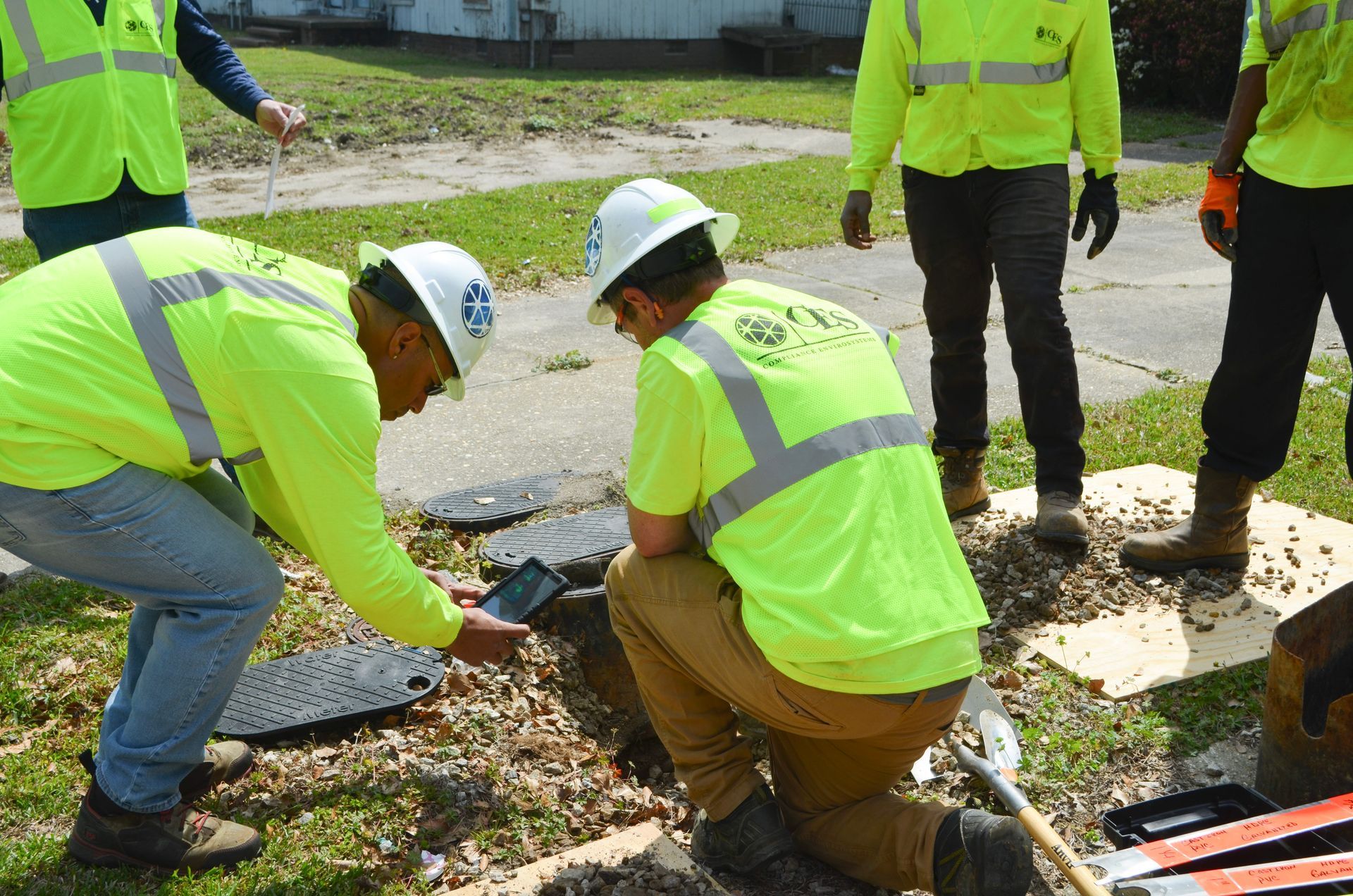
On October 8th 2024, the EPA issued a final rule requiring drinking water systems across the country to identify and replace lead pipes within 10 years.
By Josh Graham April 2, 2025
Since the 1970s, gas utilities and contractors have utilized trenchless technologies such as moles, plows and Horizontal Directional Drilling (HDD) to install natural gas pipelines across the United States.