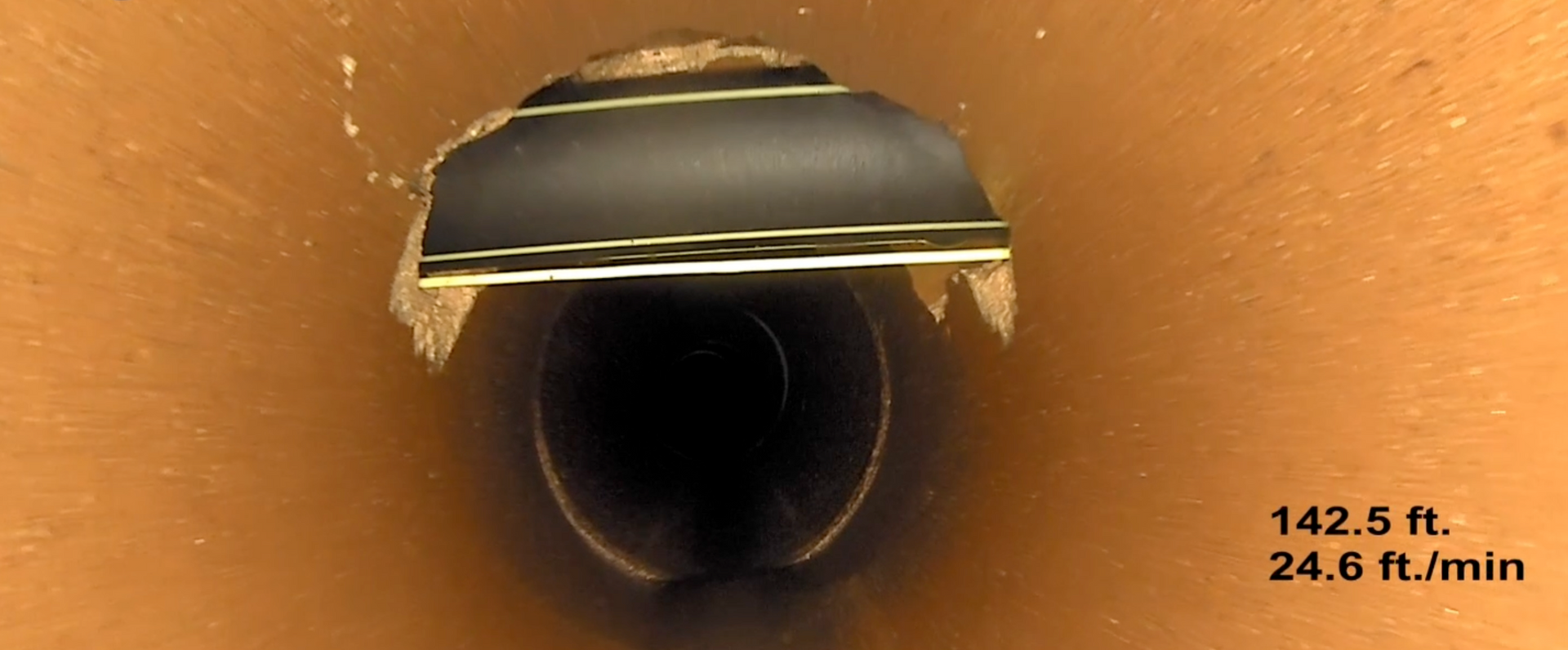
Signs Your System Needs Catch Basin Inspection

Alayna Dixon & Alison Escobar • January 15, 2026

Have you noticed persistent standing water after it rains, slow drainage, foul odors, or visible debris accumulating inside or around your system’s catch basins? These issues are often tell-tale signs that your stormwater structures need attention.

WhY understanding your stormWATER system matters

Storm drainage systems play a critical part in protecting public safety and property by collecting rainwater and surface runoff and directing it safely into streams, rivers, or storage ponds. Despite their importance, it's easy to overlook these systems. Many municipalities lack accurate records of how many storm drain structures they have, where they're located, or how they connect. Often, it’s not until flooding or infrastructure failure occurs that the system’s condition becomes a priority.


A
storm drain triage program helps CES clients locate, inventory, map, and evaluate storm drain systems so maintenance and repairs can be planned efficiently before small issues become expensive problems.

What is a catch basin inspection? 


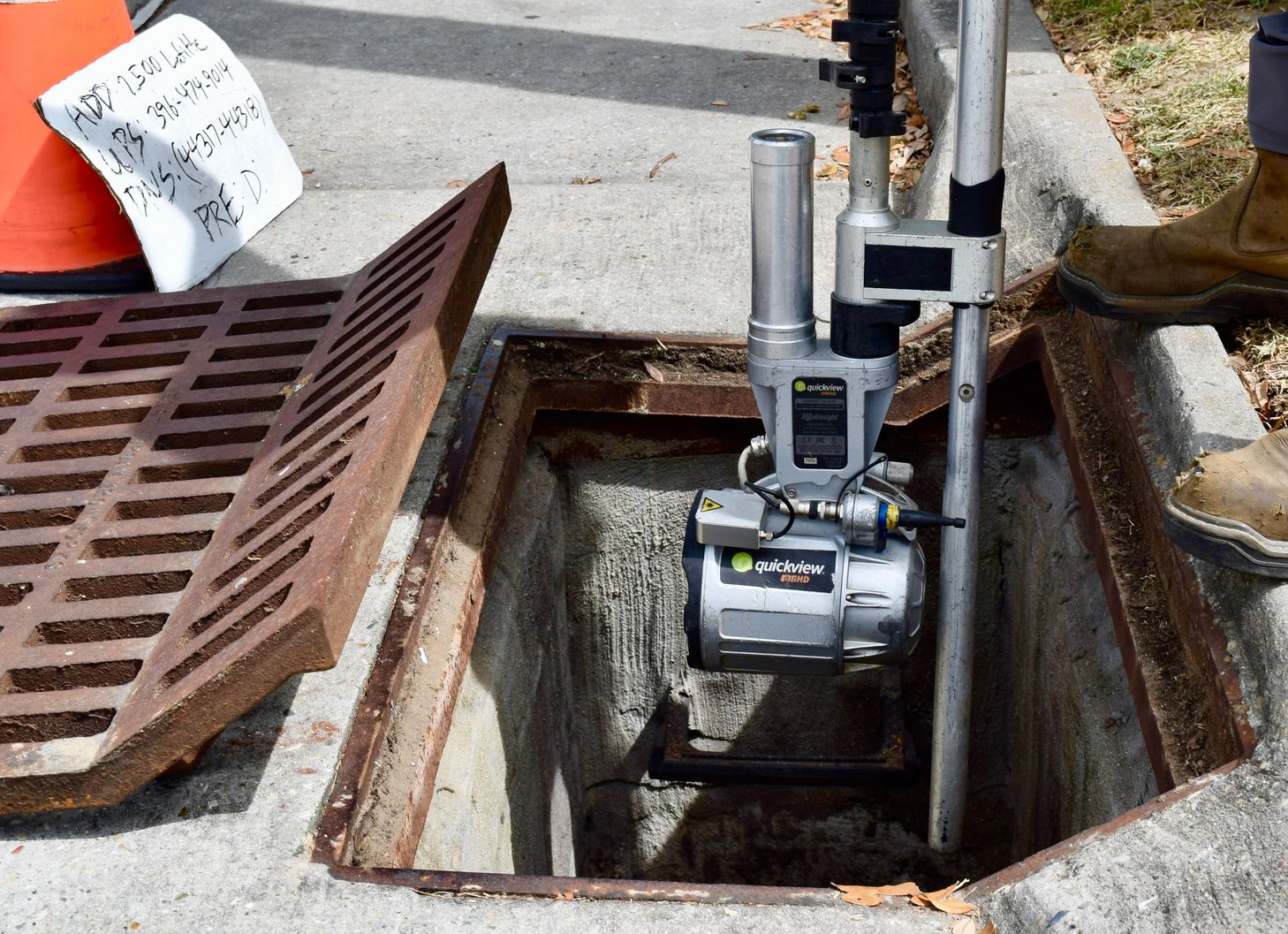
A catch basin inspection utilizes state-of-the-art technology to evaluate your stormwater structures and pinpoint any issues. At CES, our catch basin inspections use a GIS-based approach to locate, inventory, map, and evaluate your storm drain system to identify the defects that matter most.

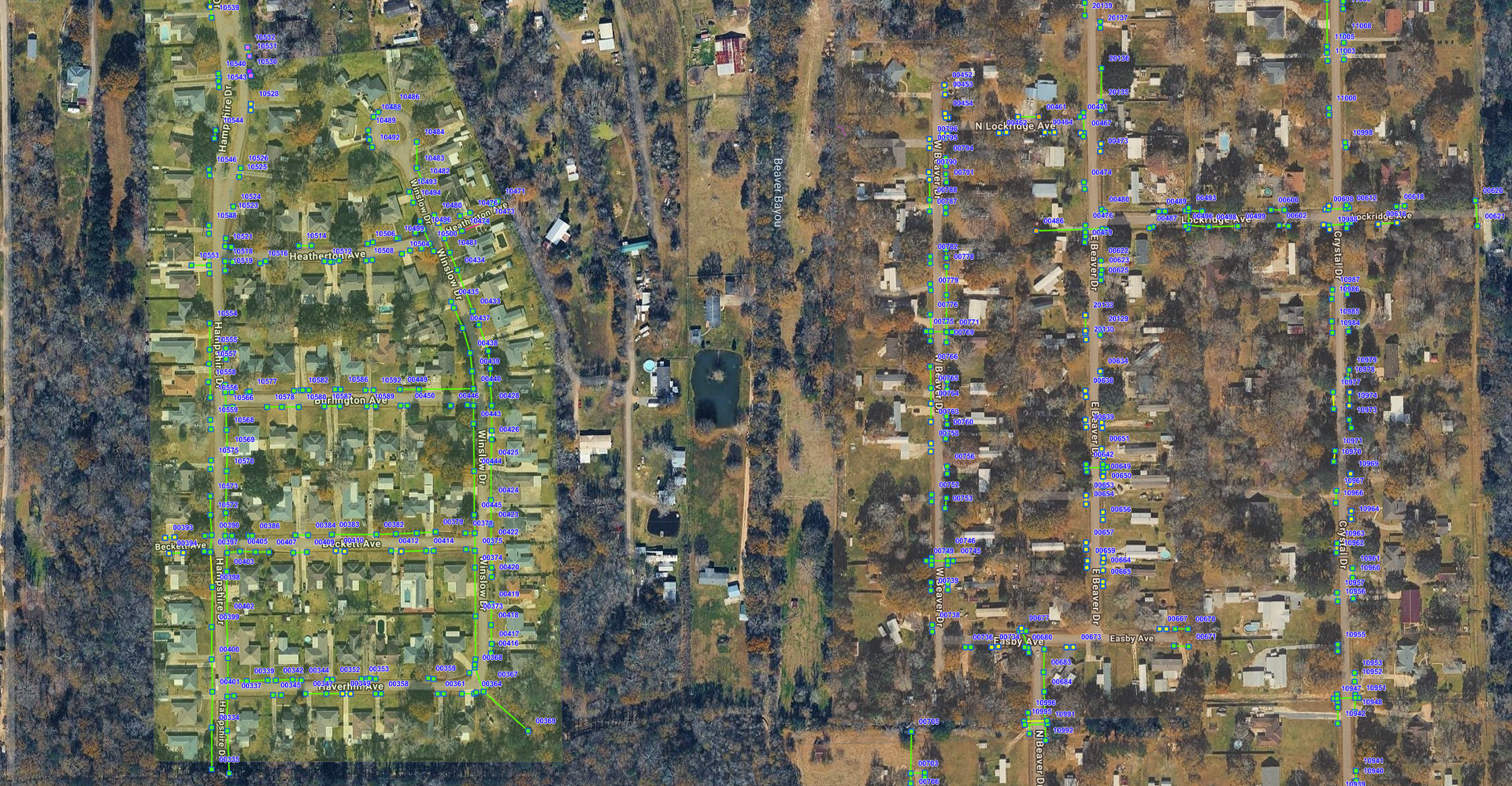
Color-Coded Map Screenshot

How catch basin inspections work


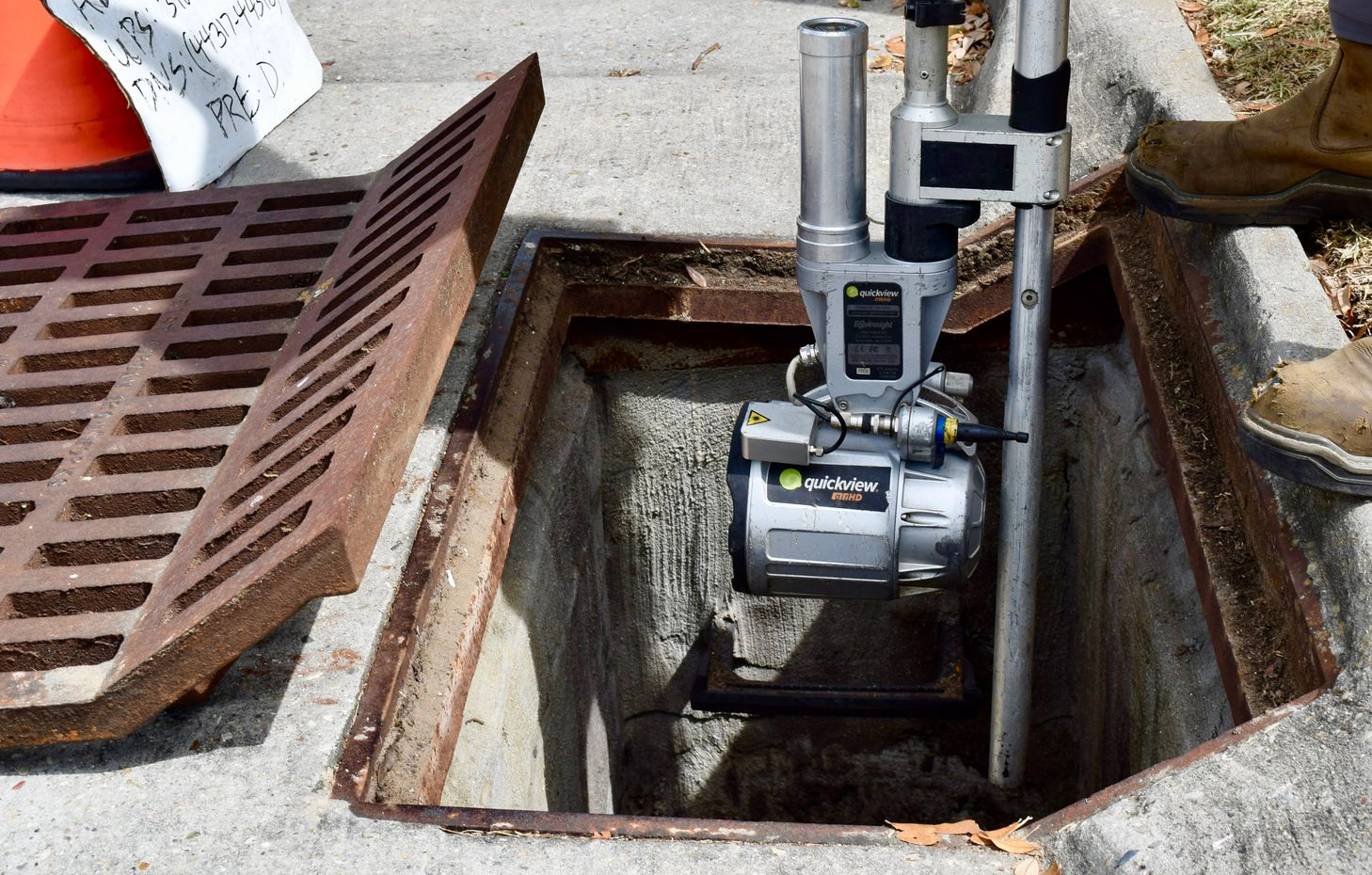
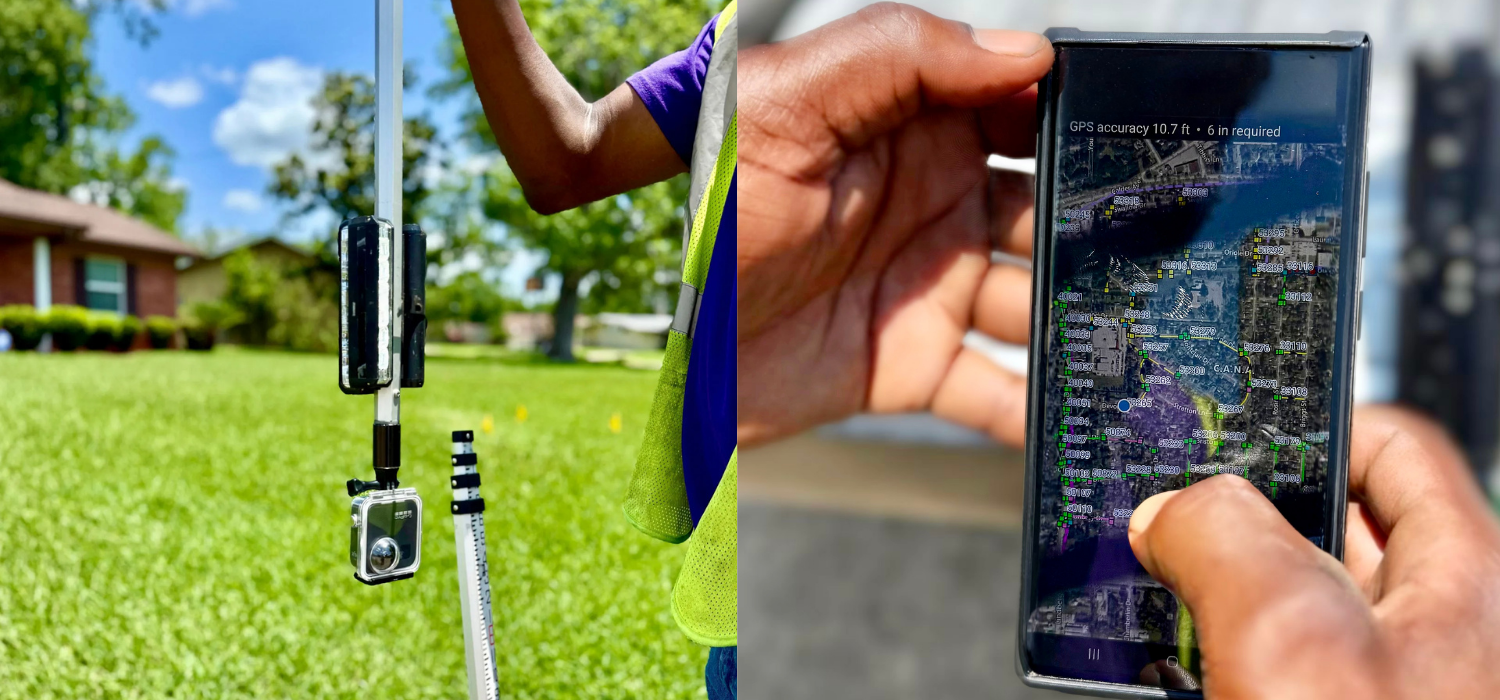
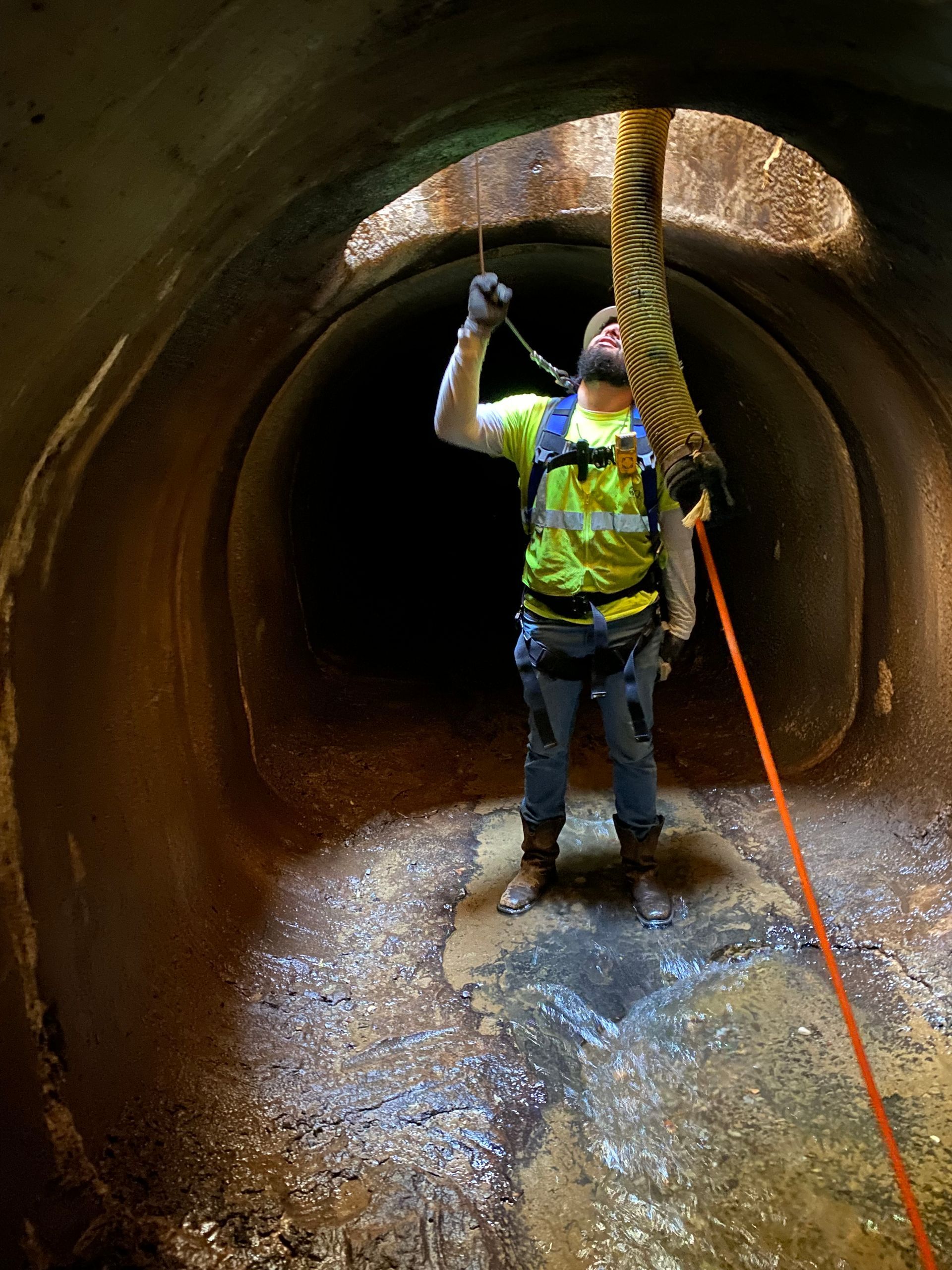
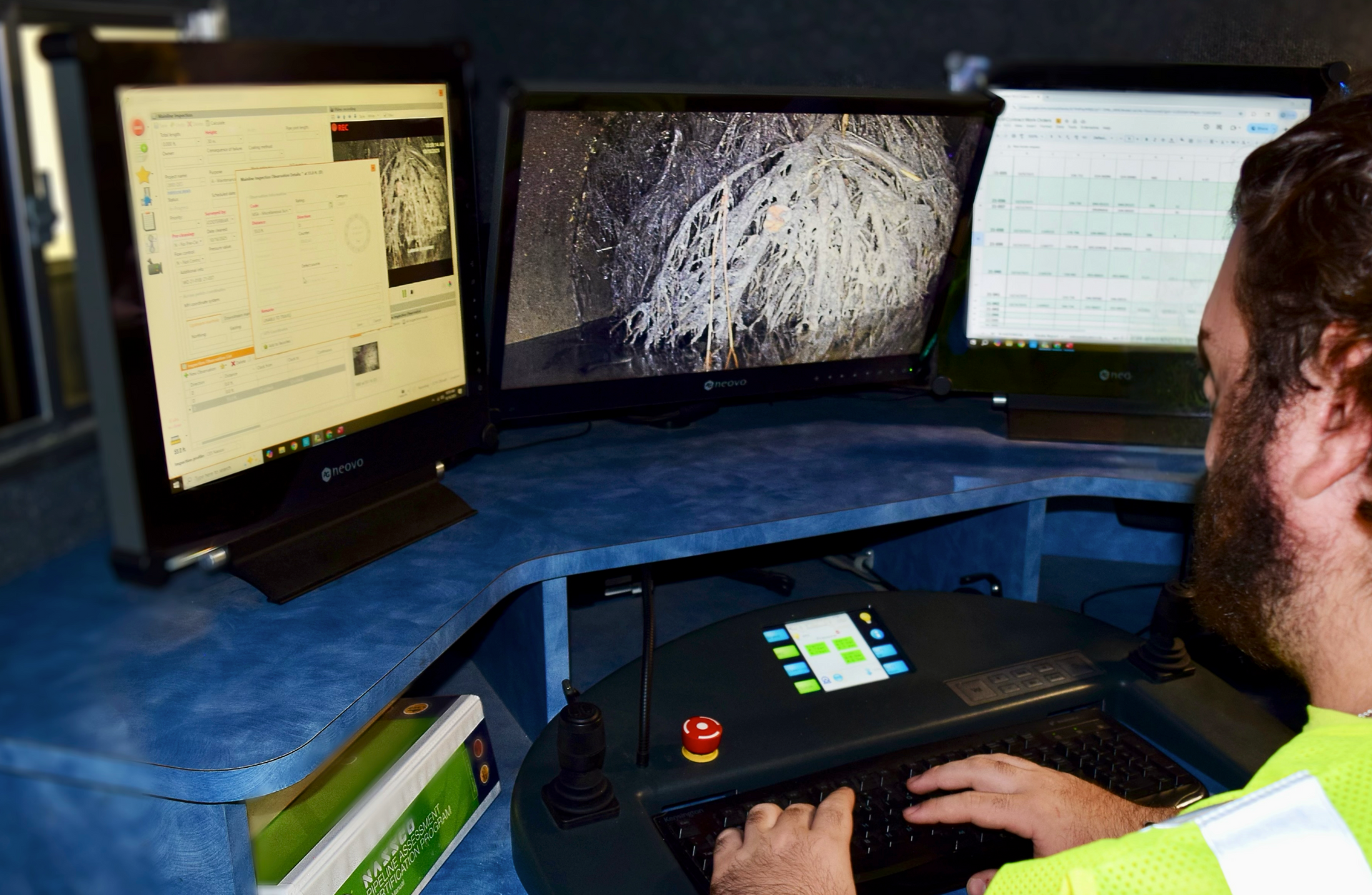
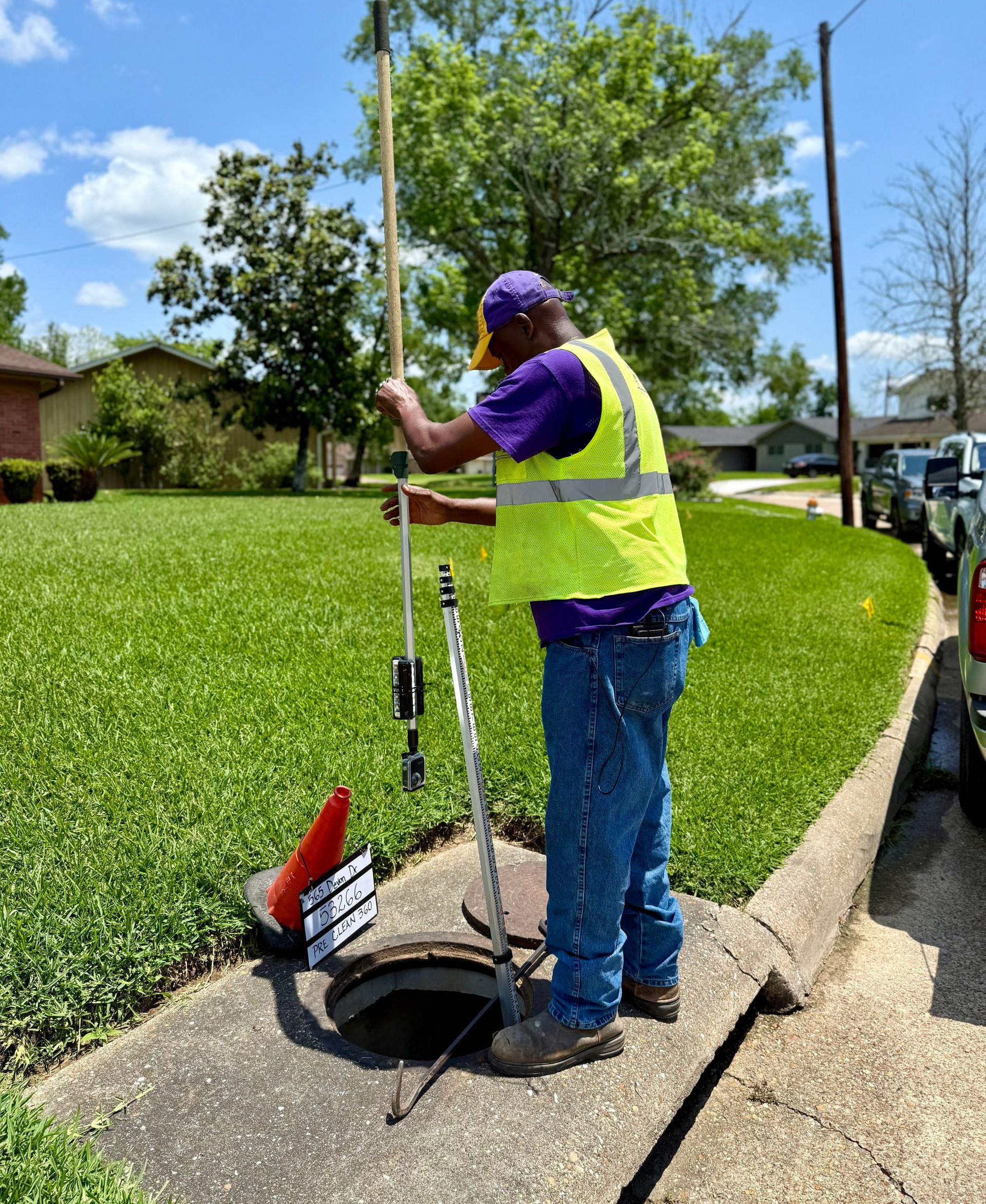
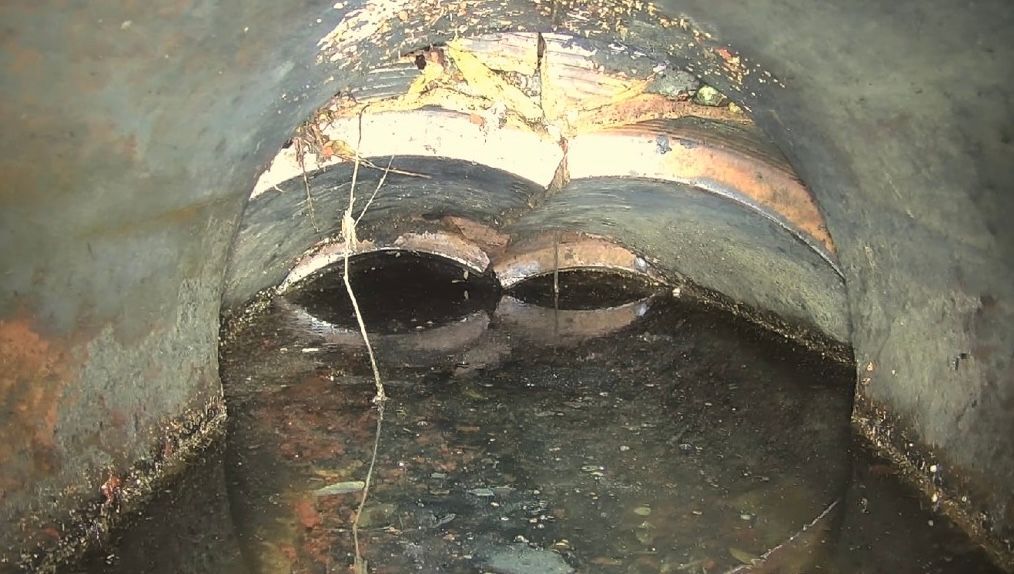
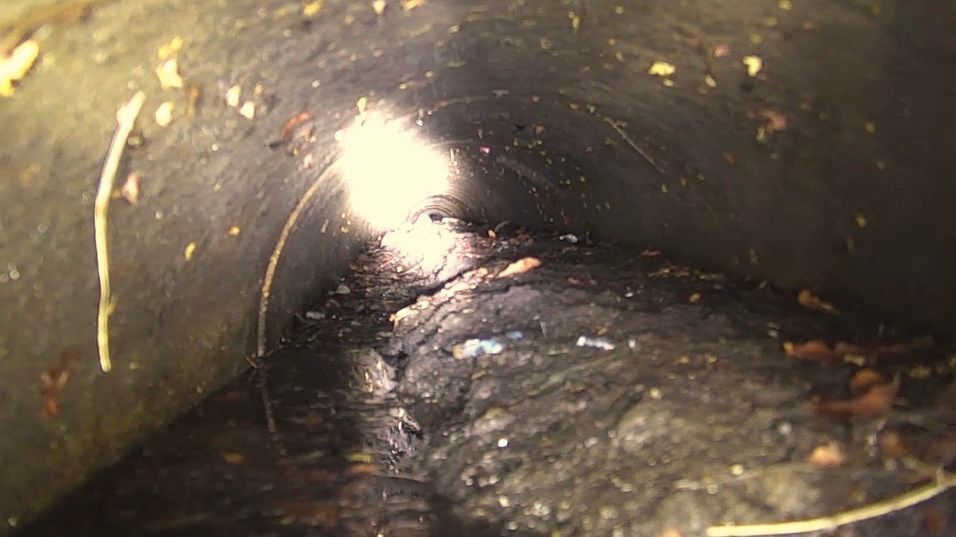
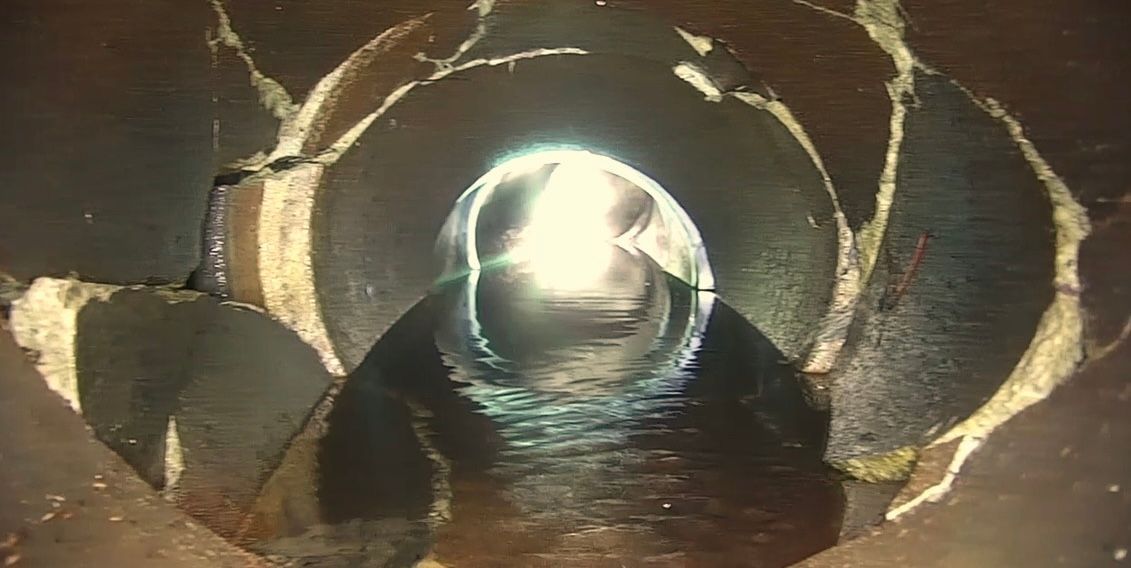
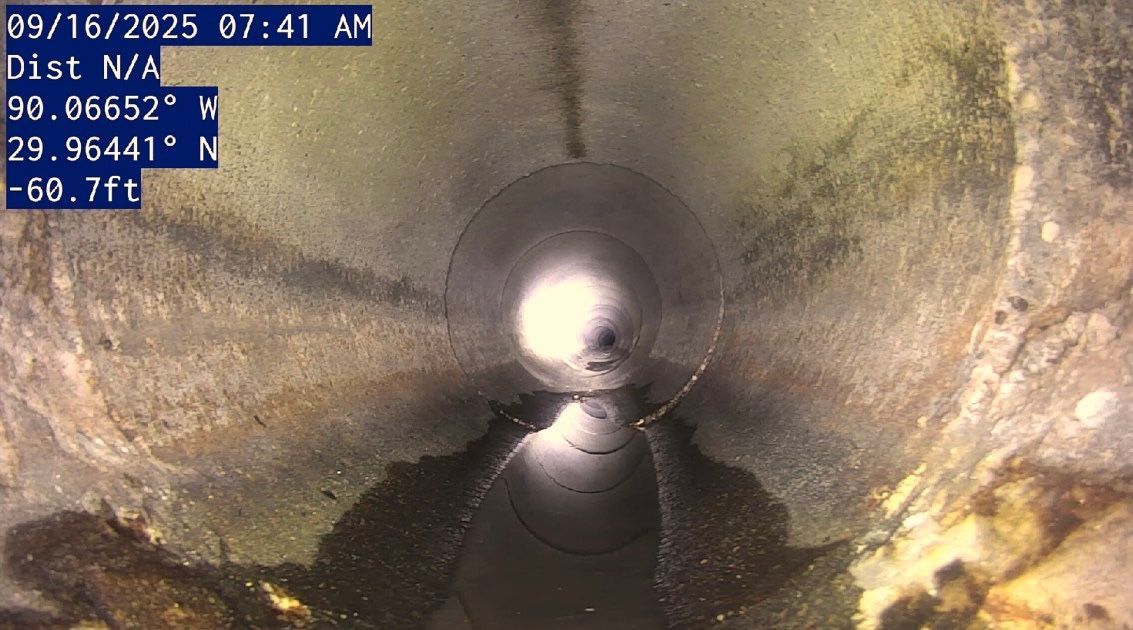
The inspection begins with GPS mapping of catch basins, manholes, inlets, culvert openings, and outfalls. Field crews then document the debris levels, root intrusion, structural defects, and other observations that warrant attention. This documentation is how CES determines what work is needed, whether that’s cleaning, Zoom camera inspection, CCTV, or other evaluations to facilitate repairs. CES clients can view program progress in real-time via a color-coded online map. As each phase is completed, we provide clients with recommendations that prioritize maintenance and rehabilitation needs that fit within their budgetary parameters.

What are the benefits of catch basin inspections? 


One of the most essential benefits of catch basin inspection is that it helps you
avoid unnecessary expenses. Our goal is to help you prevent pricy problems, such as excessive flooding or infrastructure failure, before they happen. 


Regular evaluation and maintenance of storm drains and catch basins also helps
prevent future blockages, flooding, property damage, and other failures. After each inspection, we provide a detailed data report with recommendations for your next steps, helping you plan system updates as cost-effectively as possible.


Additionally, these inspections have
environmental benefits, such as preventing pollution from entering waterways, reducing storm pollution, helping maintain water quality standards, and minimizing flooding, among others.

OTHER STORM DRAIN EVALUATION SERVICES


In addition to catch basin inspections, CES offers a wide variety of evaluation techniques that can play a vital role in carrying out a successful storm drain triage program. Our stormwater services include (but are not limited to):


  • CCTV inspections
  • Zoom camera inspections
  • Pipe cleaning
  • GIS mapping
  • Large-diameter sonar and multi-sensor inspections (MSI)
  • Dye flood testing
  • Flow monitoring

What problems can I expect to see in a STORM DRAIN inspection report?


Common problems that may be found during an inspection are: 

  • Sediment build-up
  • Cracked or deteriorated concrete
  • Blocked pipes 
  • Root intrusion 
  • Damaged grates 
  • Debris causing blockage(s)


Protect Your Storm Drain System Today 


Contact CES today to
schedule a presentation on how we can help you maintain your infrastructure assets, or learn more about catch basin inspections.

By Alayna Dixon December 10, 2025
Have you noticed unexpected flow spikes after it rains, manholes overflowing, or capacity issues with your sewer or stormwater system?
By Alison Escobar & Alayna Dixon November 10, 2025
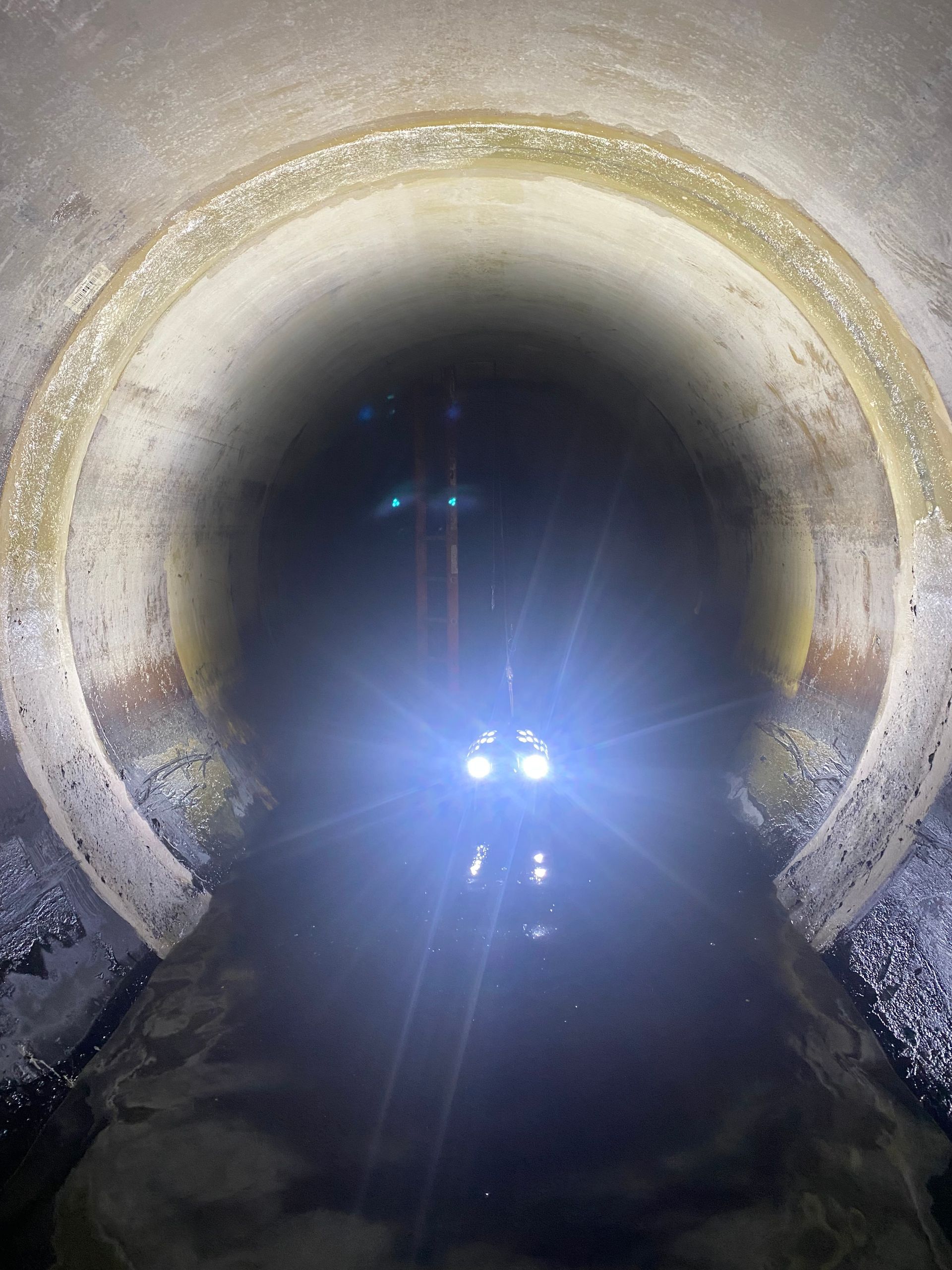
Do you notice persistent odors, high-flow levels, or signs of structural wear in your sanitary sewer or stormwater system? These issues often indicate the need for a more thorough inspection of your system, particularly concerning large-diameter pipes. Traditional inspection methods can leave large portions of pipes unexamined, especially in high-flow or large-diameter scenarios. At Compliance EnviroSystems (CES), we use a smarter inspection technique to ensure systems are operating at full capacity: Sonar and Multi-Sensor Inspections.
By Alison Escobar & Alayna Dixon October 15, 2025
Common challenges for municipalities, engineers, and utility providers are undetected leaks and inflows that overwhelm the sewer system. When you don’t know where Inflow and Infiltration (I/I) comes from or what is causing your system’s issues, you often end up spending more money than is necessary to fix it. At Compliance EnviroSystems (CES), we provide a smarter, quicker, and more cost-effective solution: Smoke Testing.
By Alayna Dixon August 29, 2025
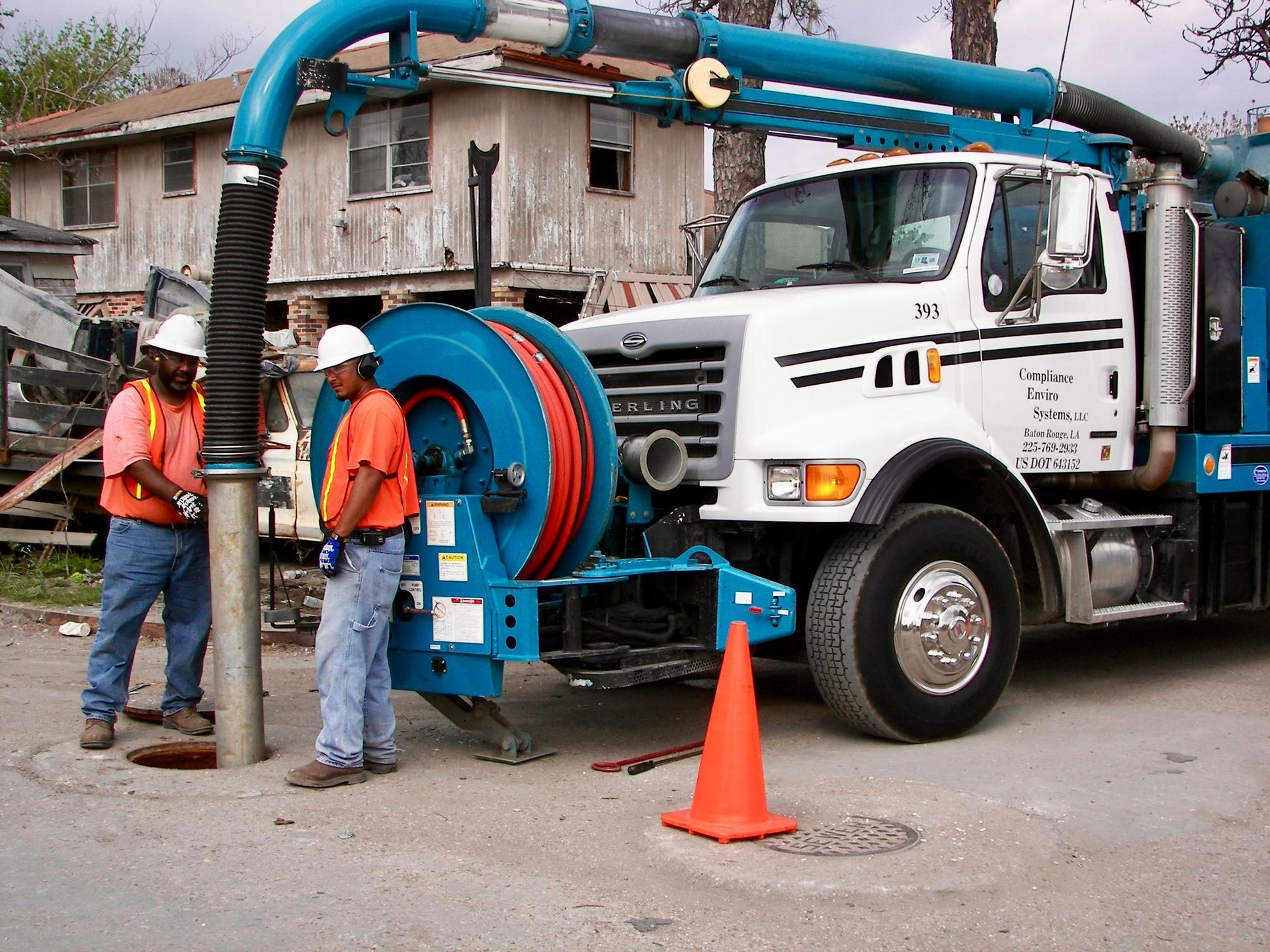
On August 29, 2005, Hurricane Katrina struck the Gulf Coast, causing substantial devastation across South Louisiana and Mississippi. Levee failures flooded New Orleans, thousands of lives were lost, and entire communities were forever changed. For those of us who call Louisiana home, Katrina is not just a moment in history. It’s personal.
April 14, 2025
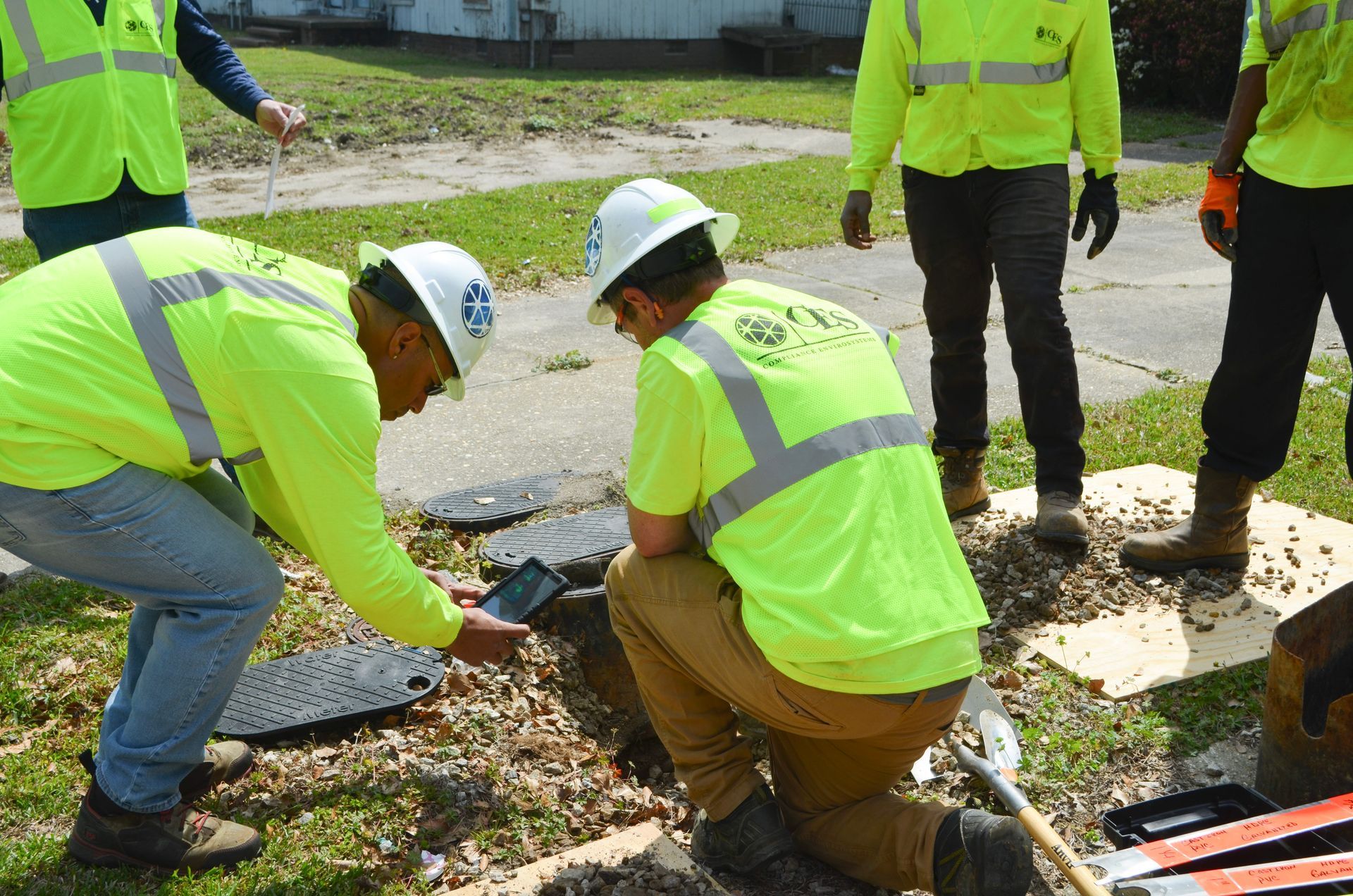
On October 8th 2024, the EPA issued a final rule requiring drinking water systems across the country to identify and replace lead pipes within 10 years.
By Josh Graham April 2, 2025
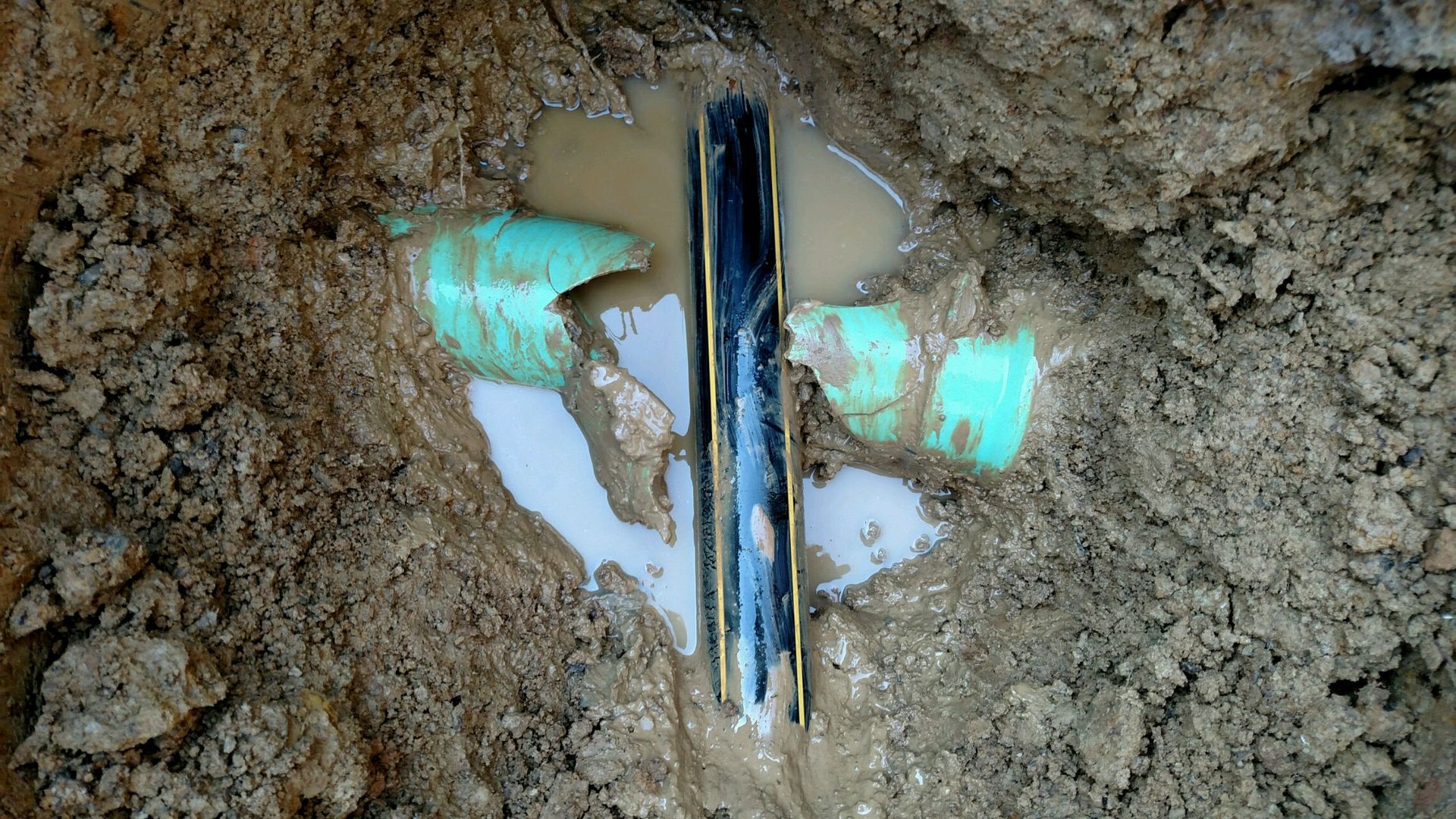
Since the 1970s, gas utilities and contractors have utilized trenchless technologies such as moles, plows and Horizontal Directional Drilling (HDD) to install natural gas pipelines across the United States.