CCTV Inspections
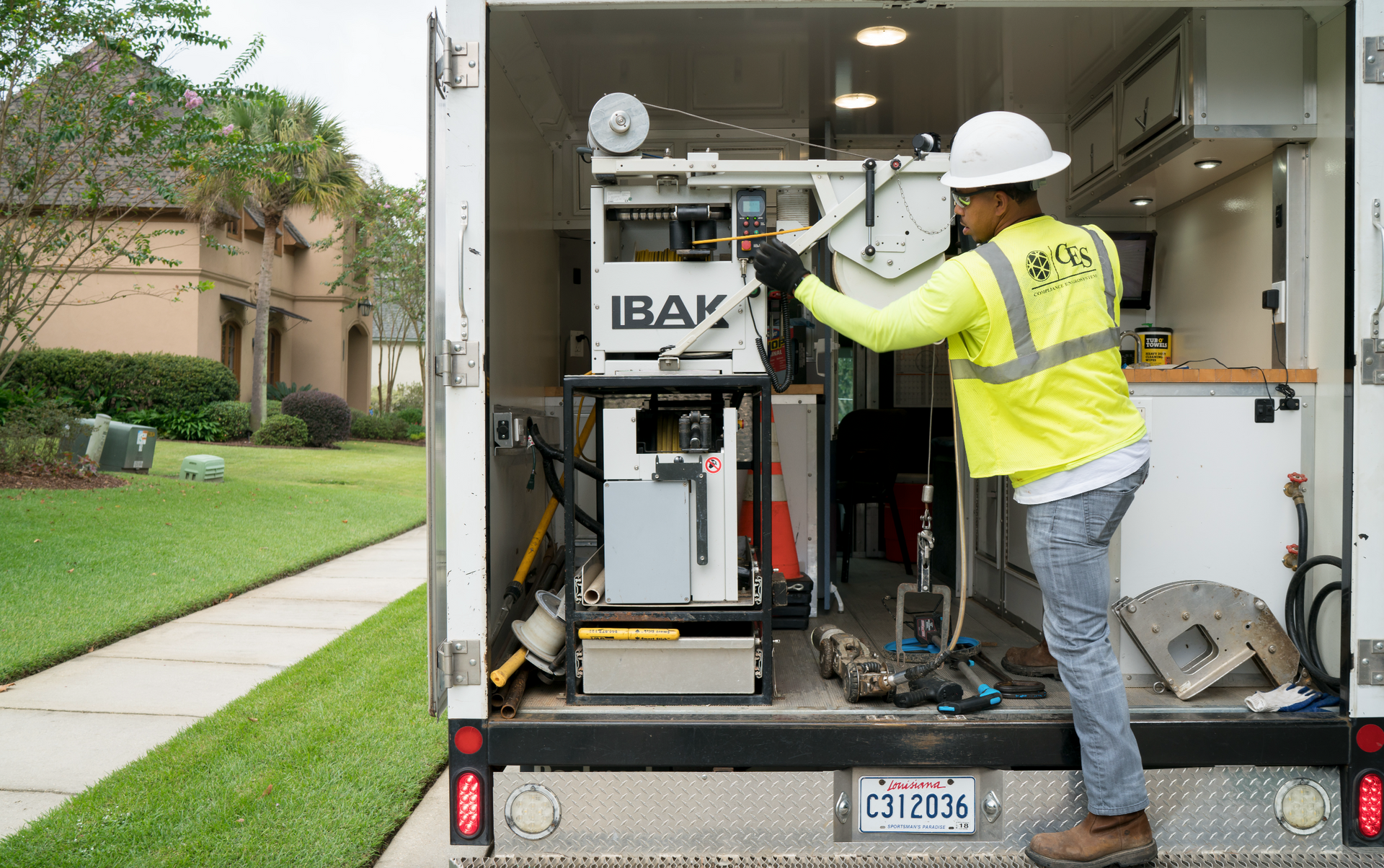
CCTV inspection is a highly effective method for identifying defects, assessing failure risks, and determining rehabilitation needs in pipe systems. As the industry’s standard for pinpointing the location and severity of system issues, CCTV remains a reliable solution. At CES, our field and data technicians are among the most skilled professionals in the industry, ensuring precise and thorough evaluations.
How it Works

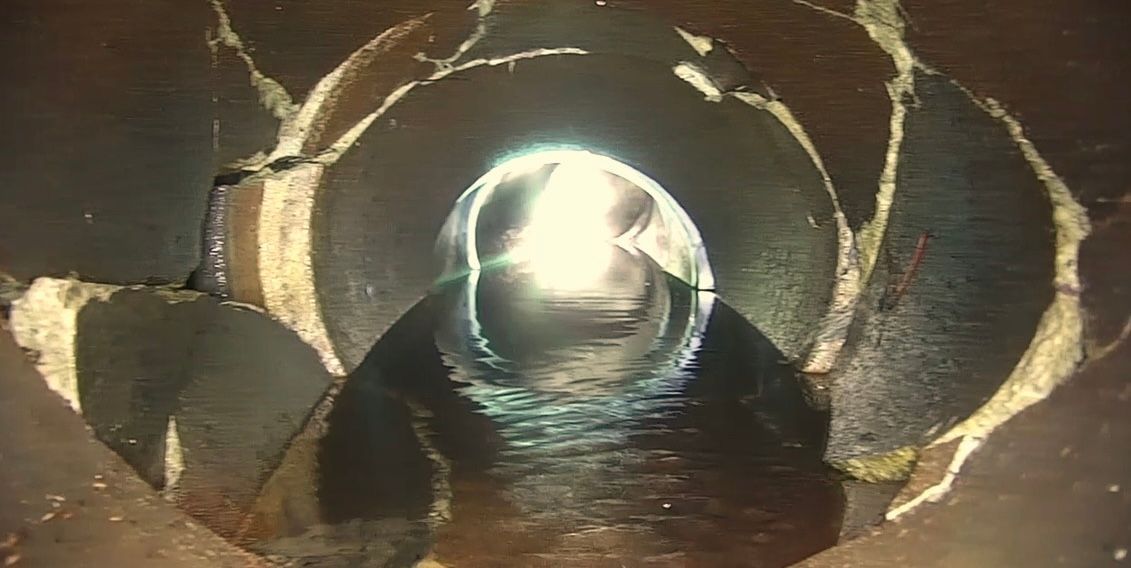
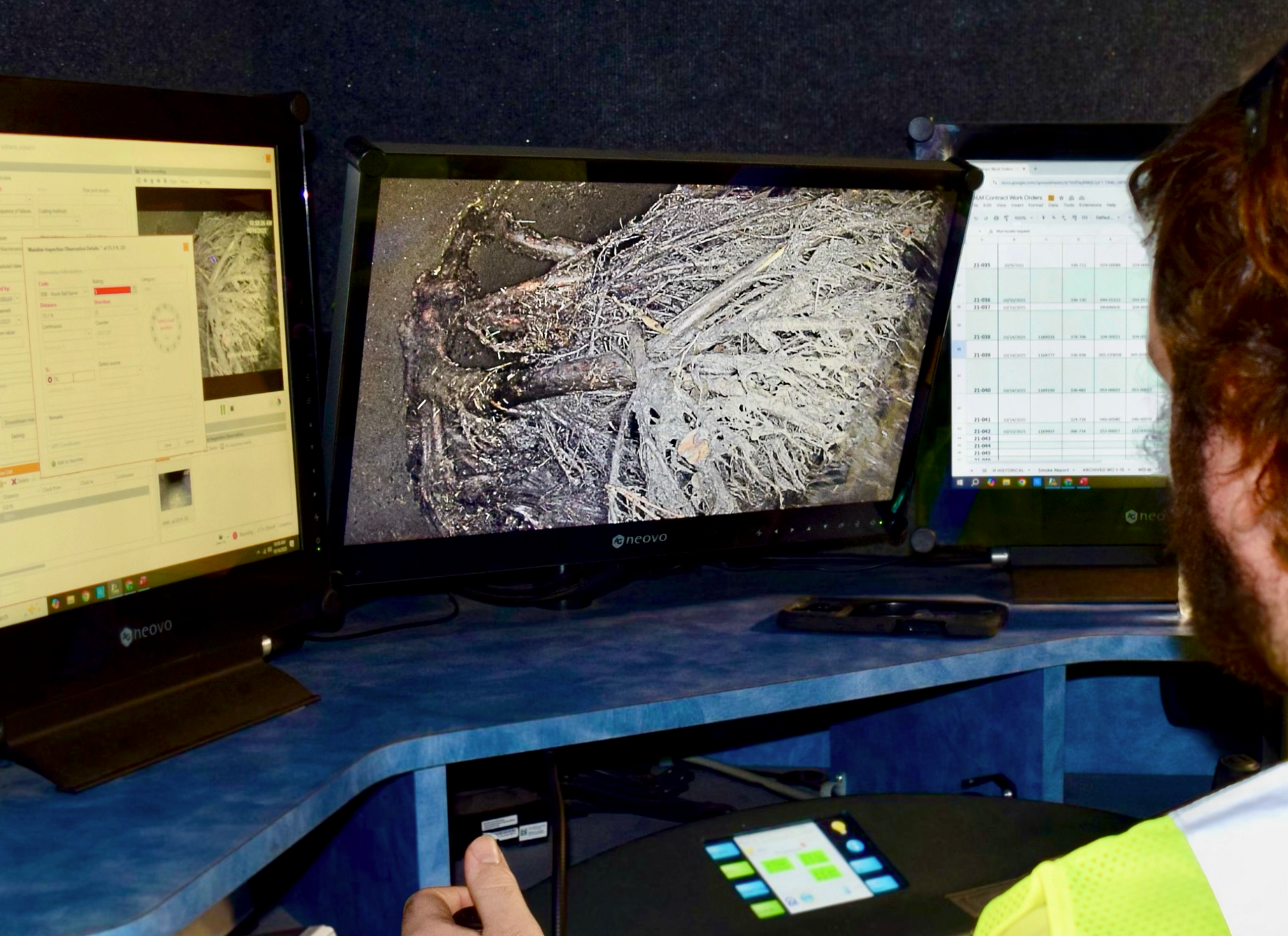
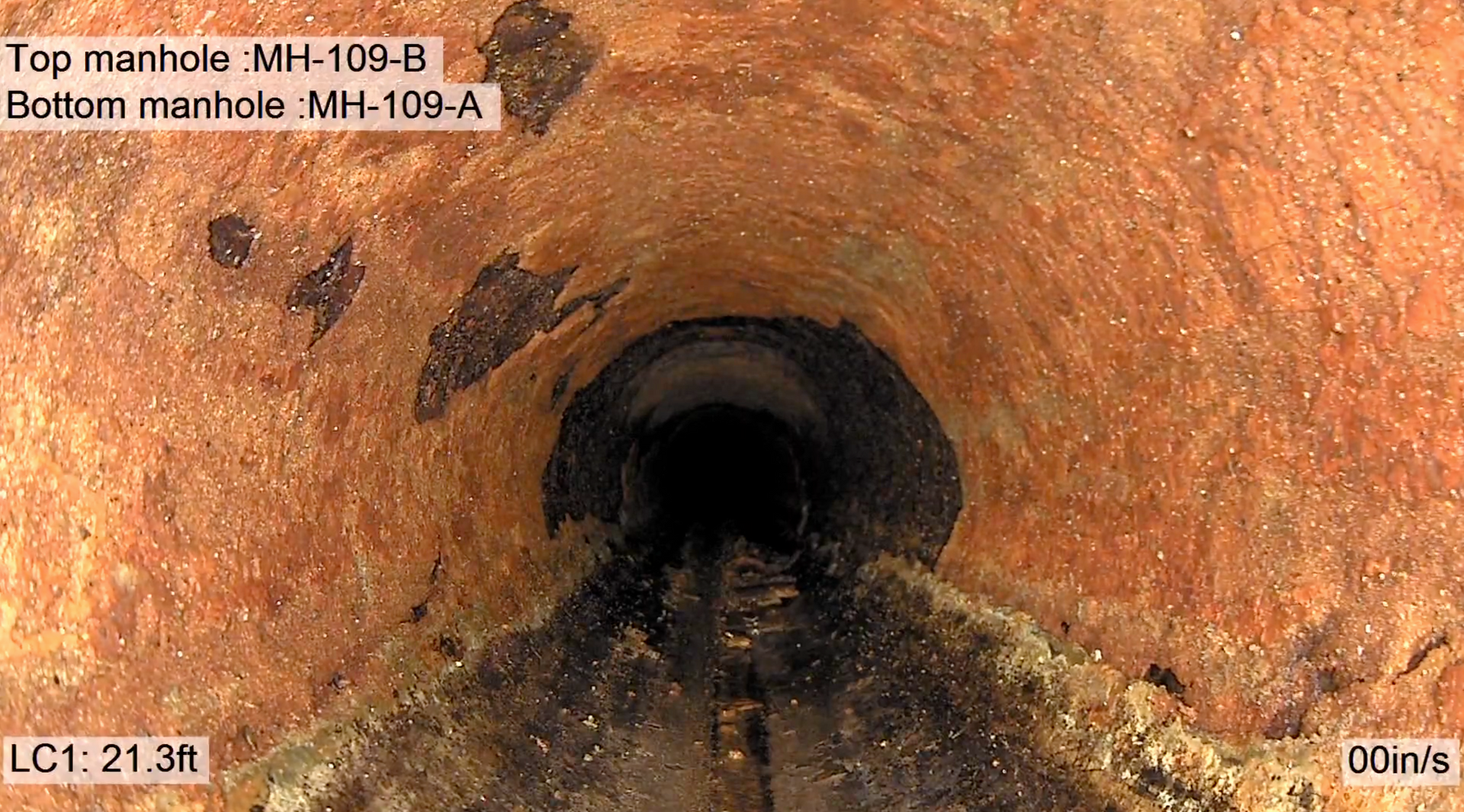
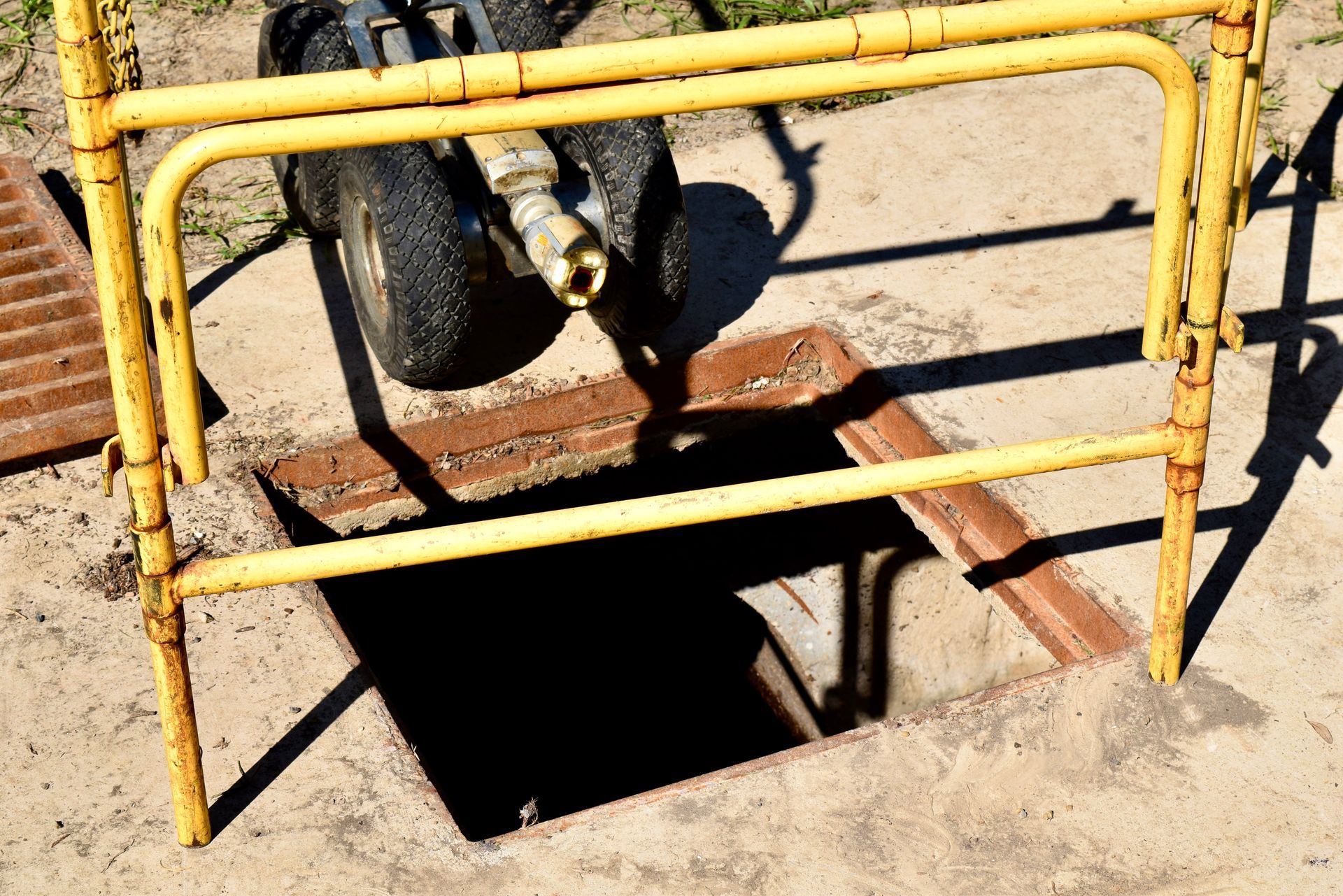
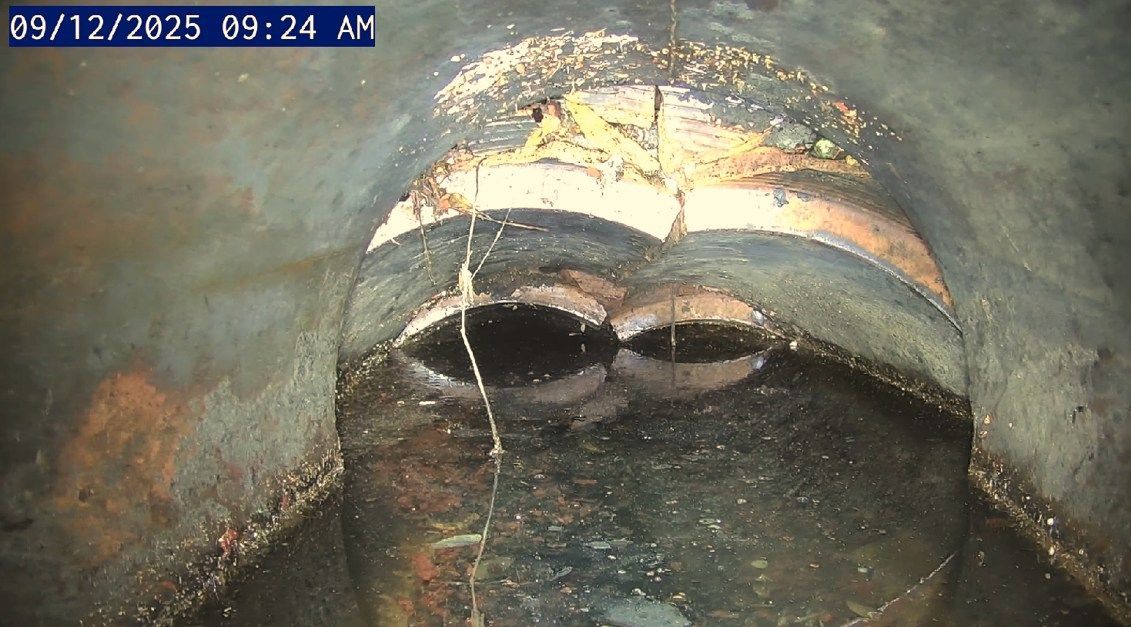
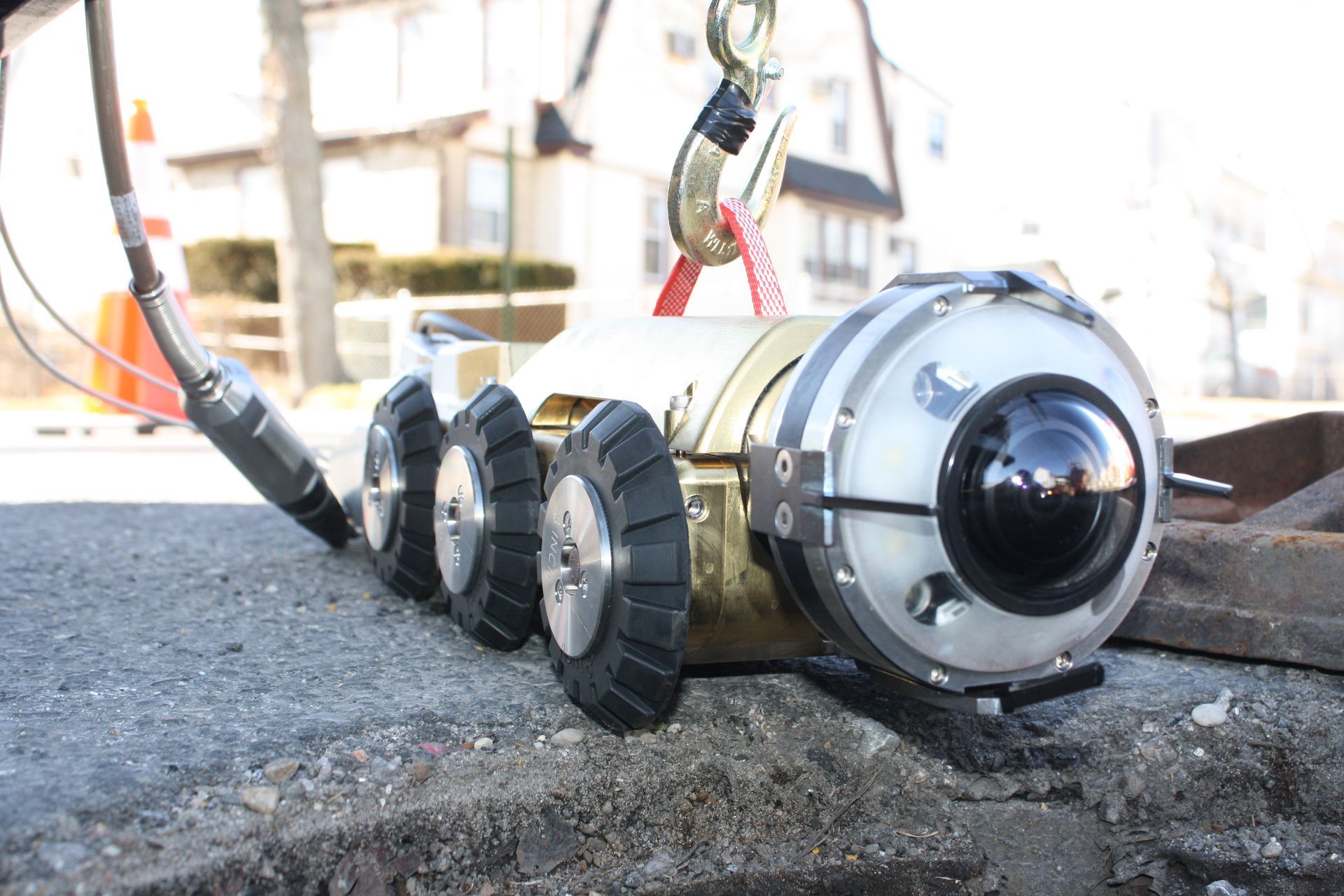
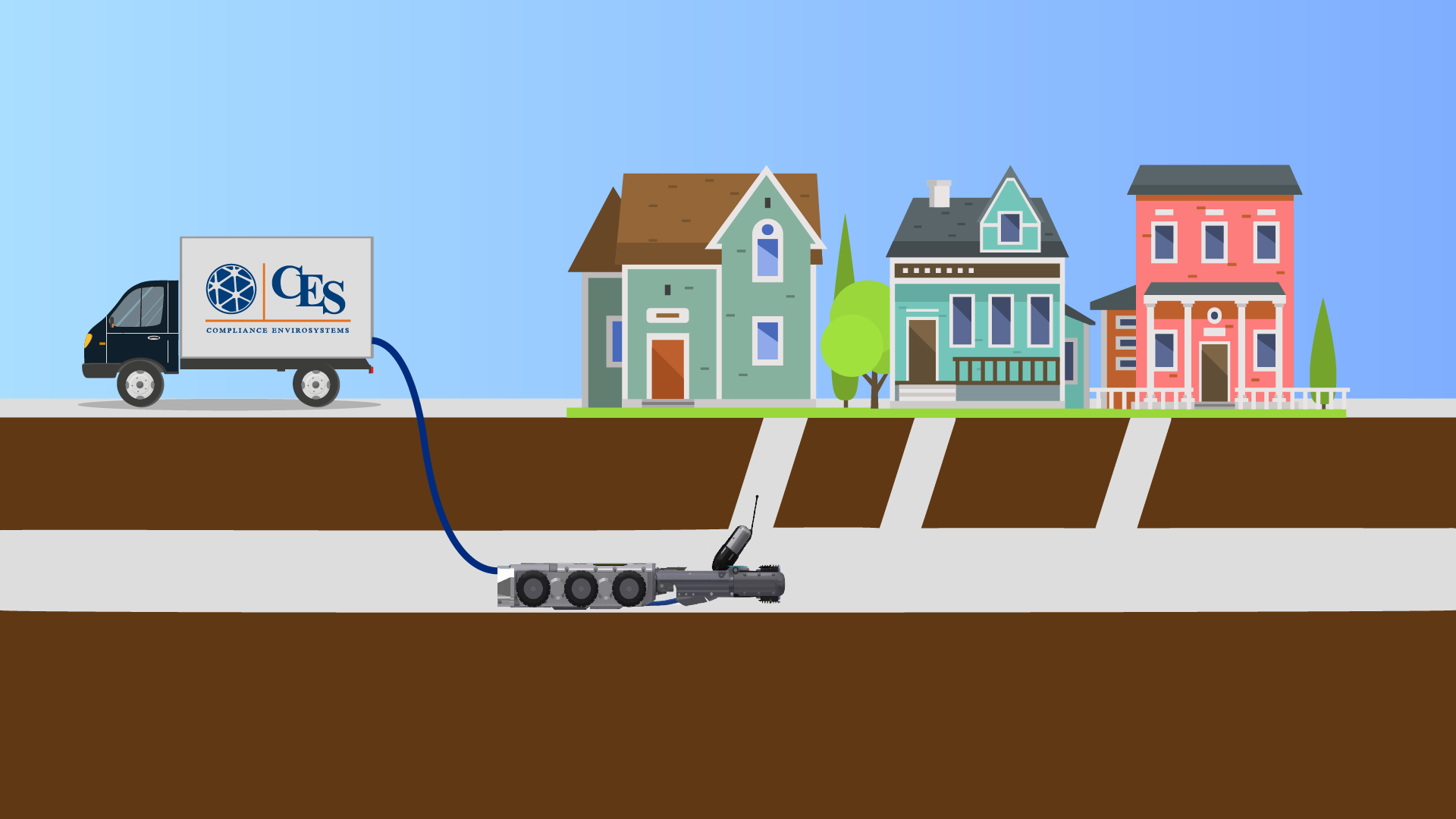
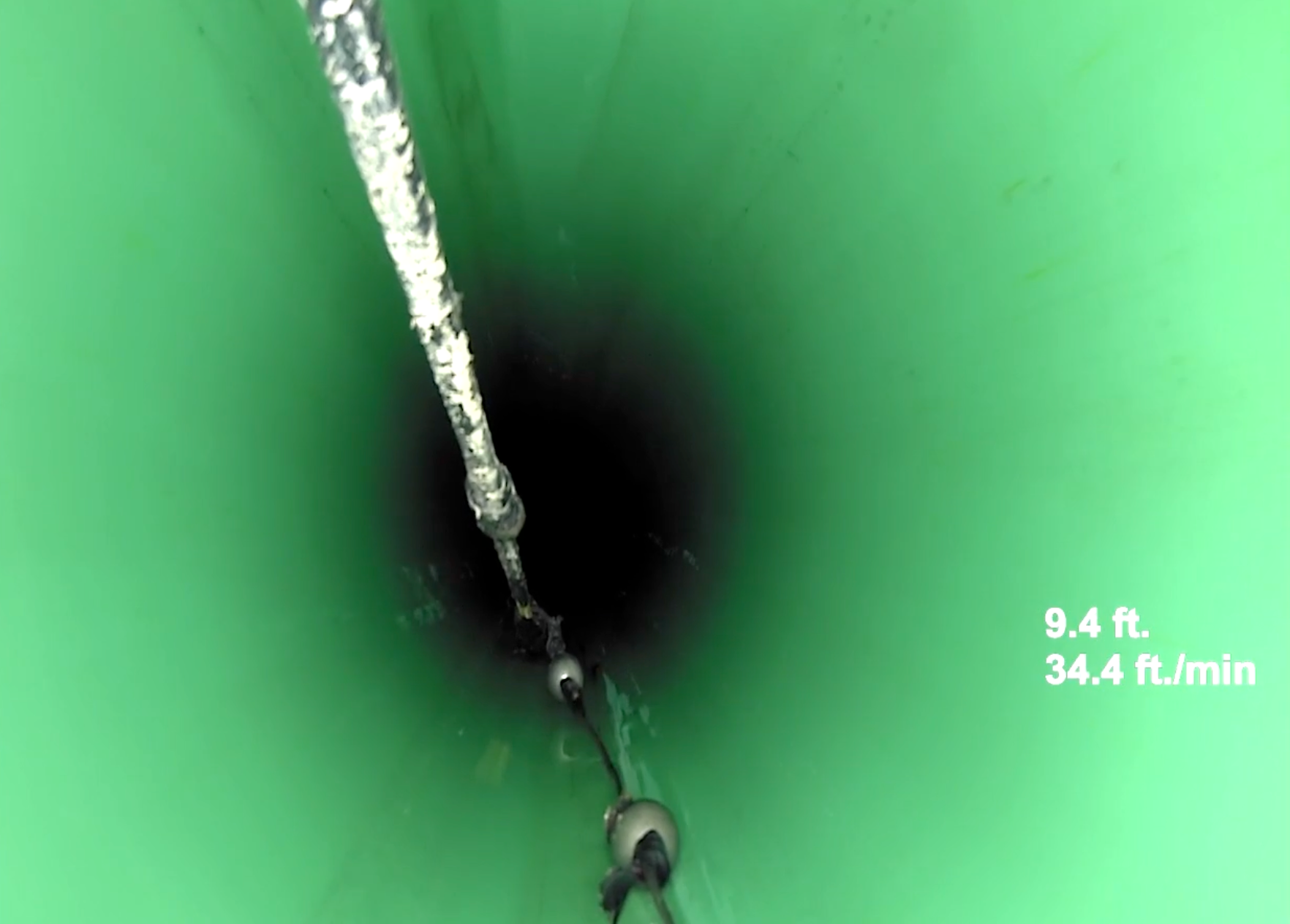
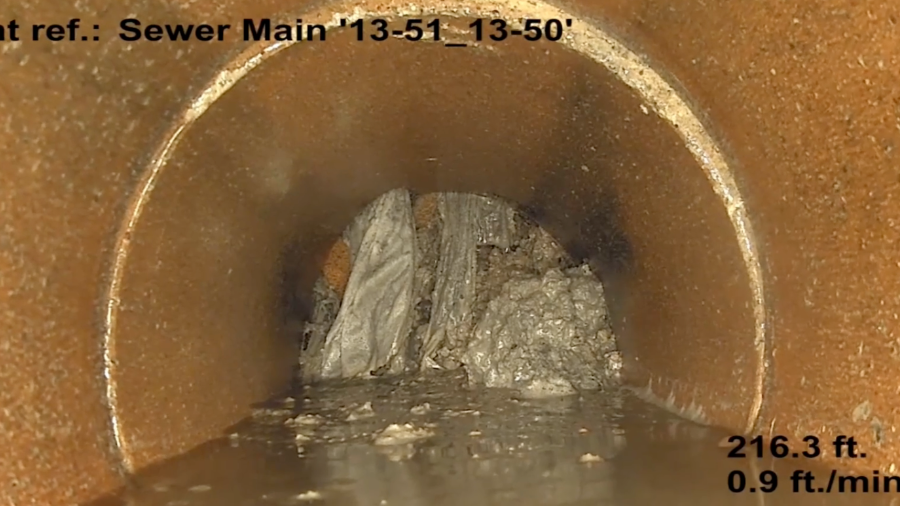
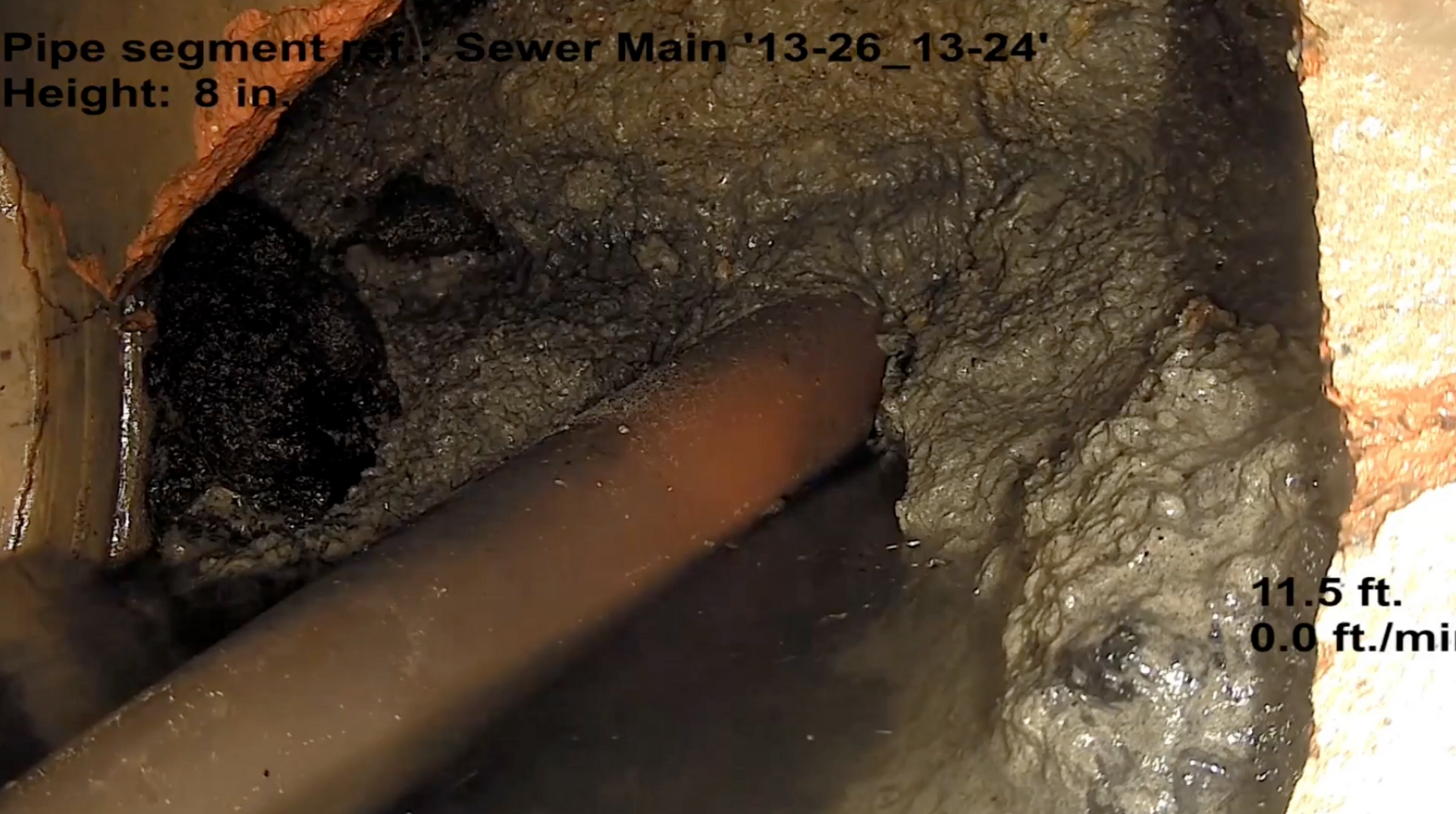
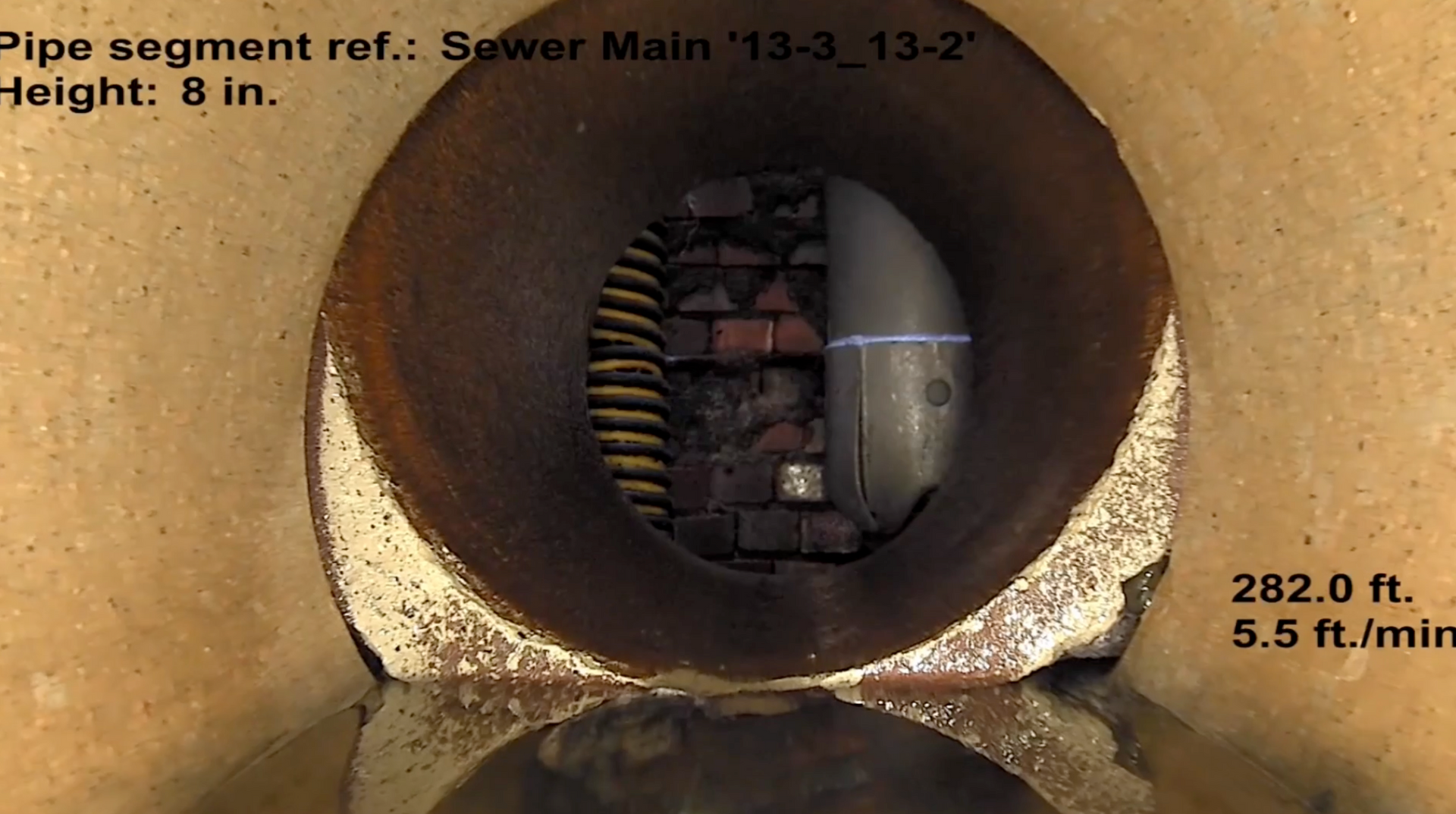
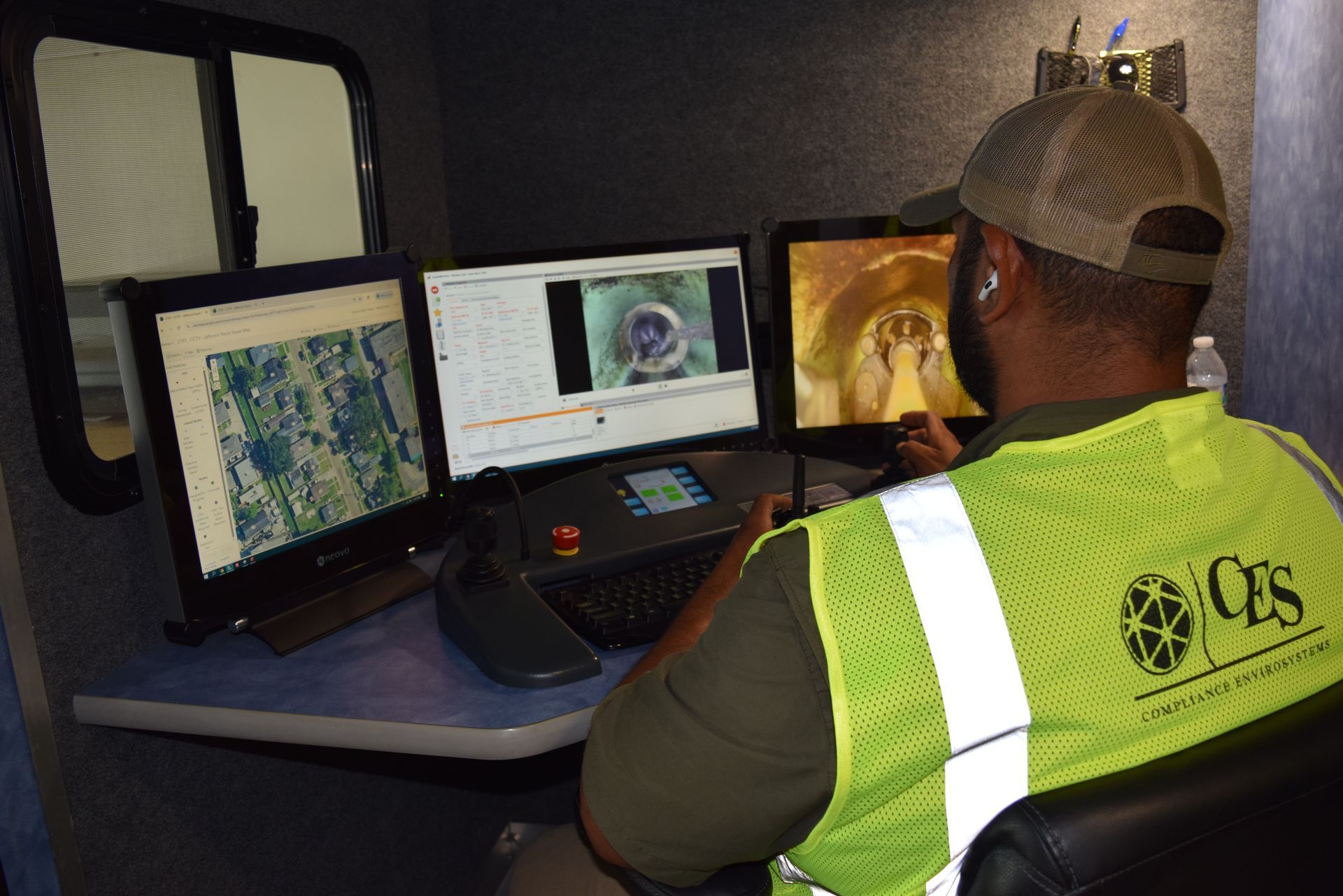
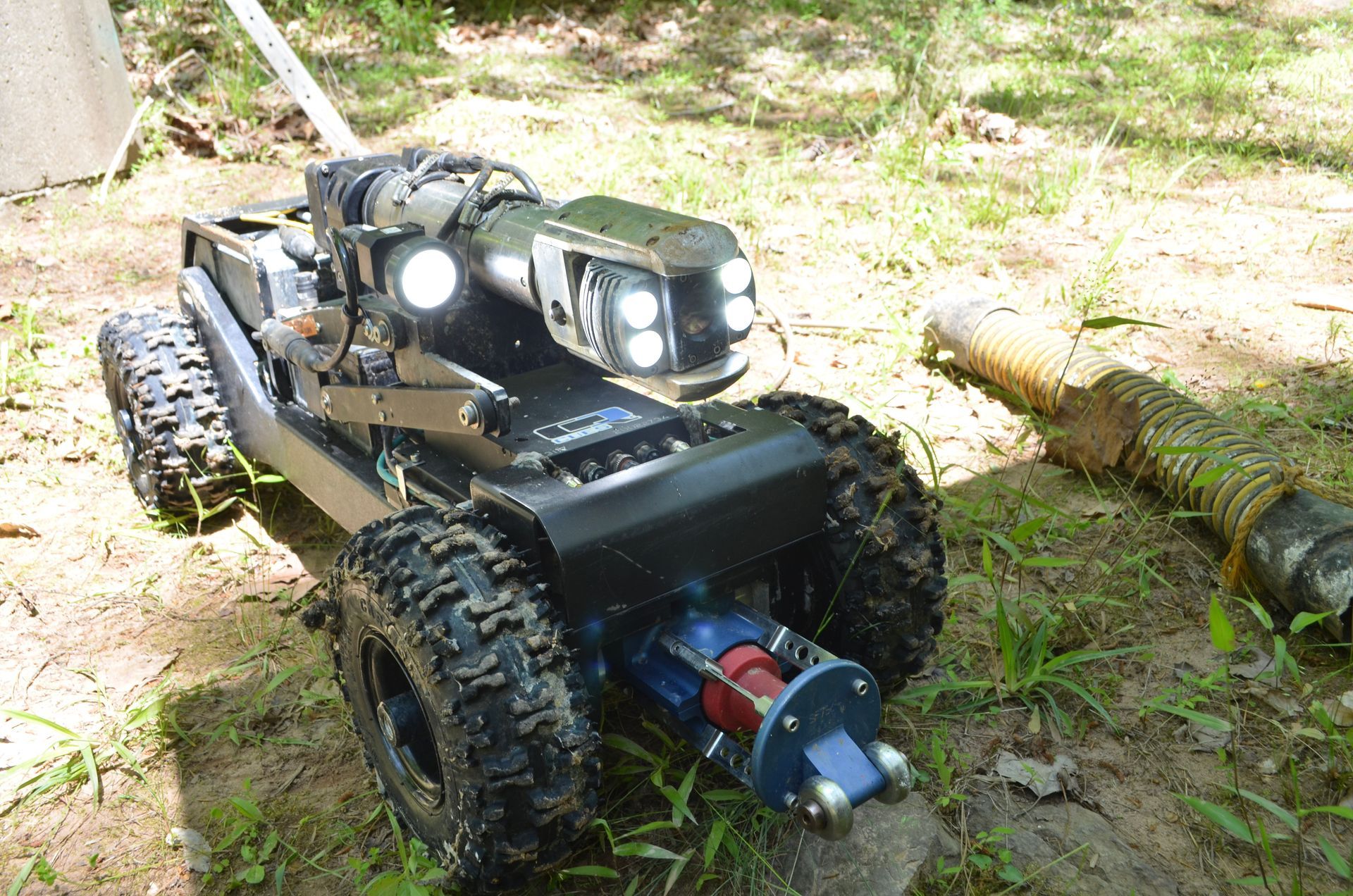
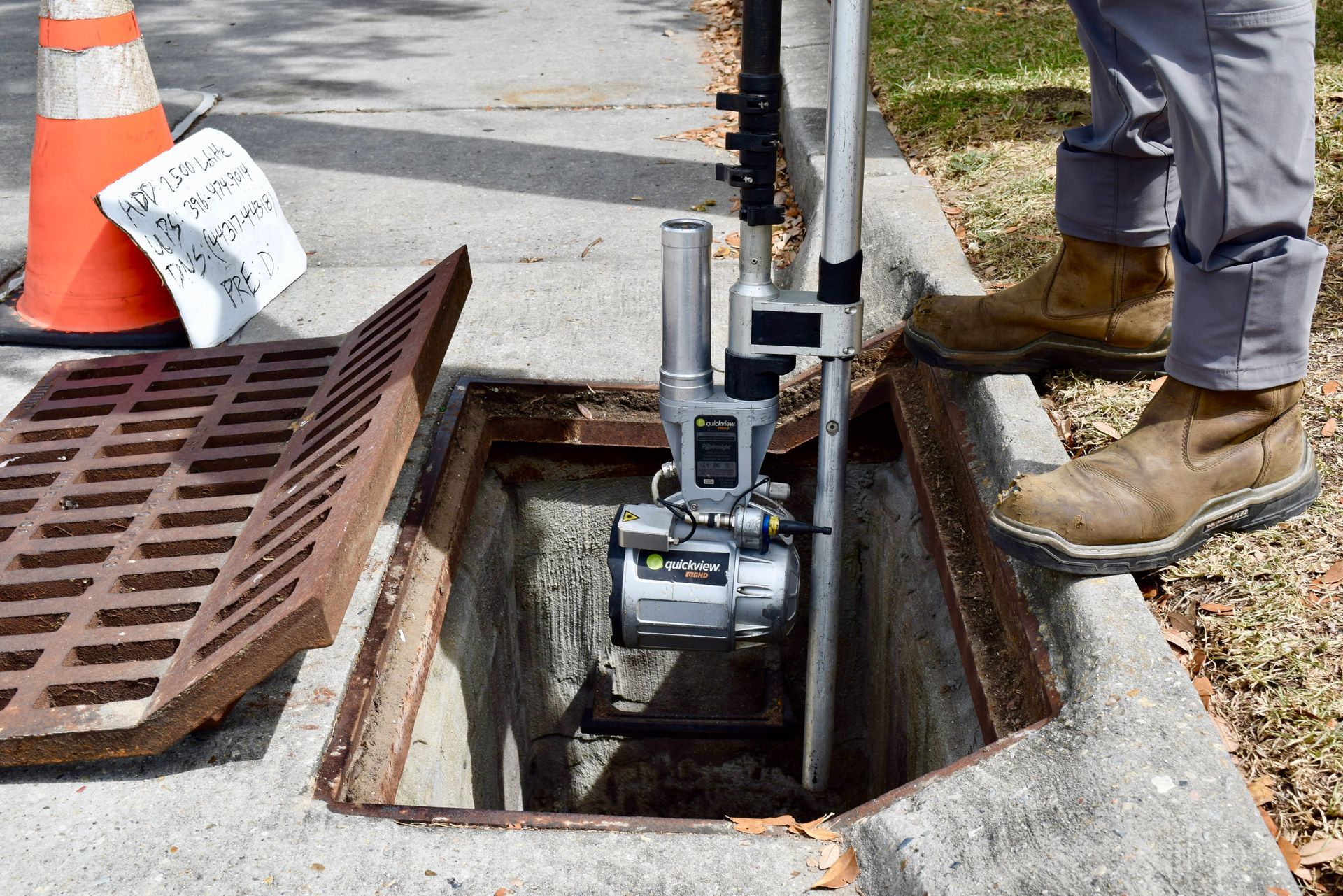
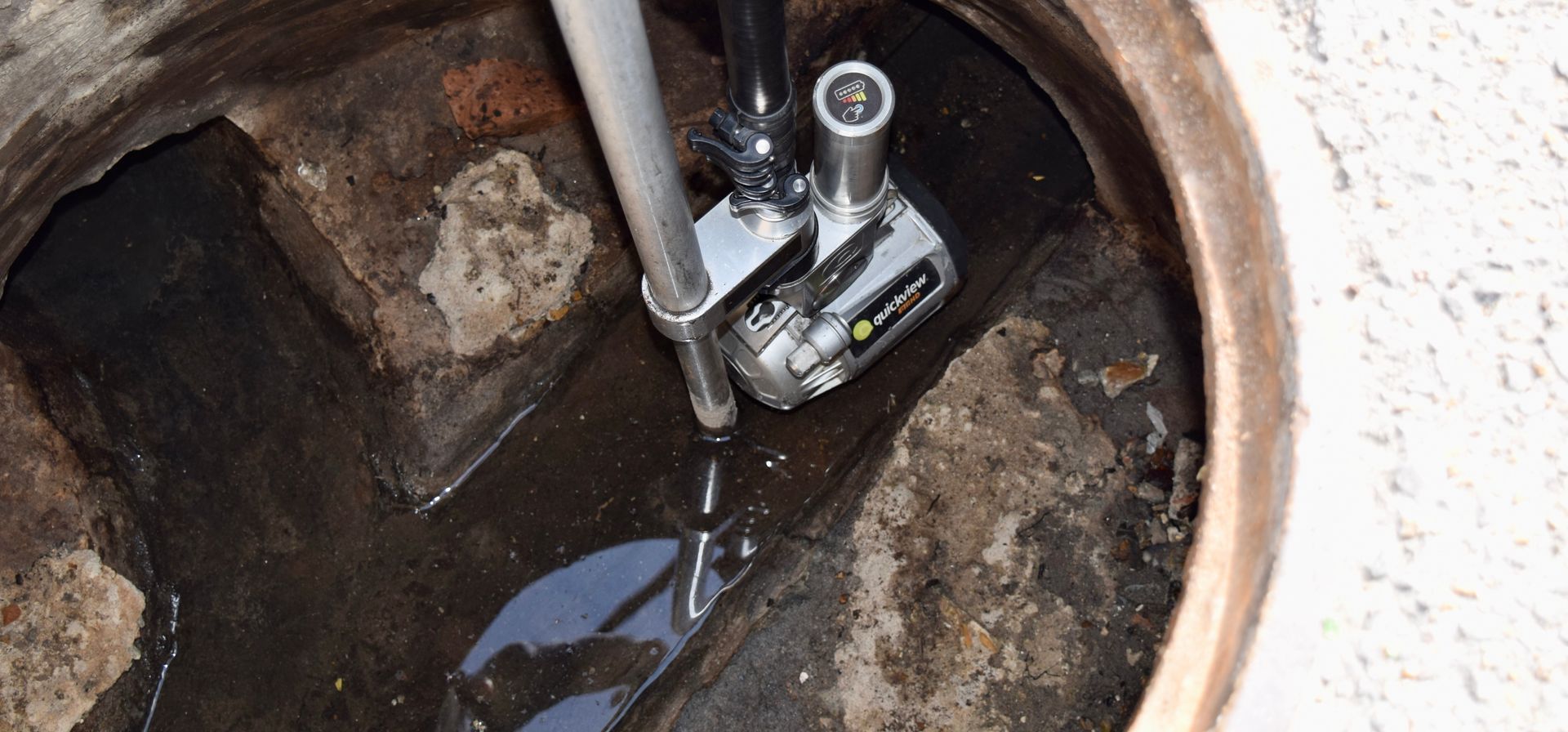
Remotely controlled cameras capture high-quality video and pictures of internal pipe conditions. A NASSCO PACP-certified technician inspects the pipelines for:


Structural Defects

  • Cracks / Fractures
  • Broken / Collapsed Pipes
  • Offset Joints

Operational + Maintenance Issues

  • Fats, Oils & Grease (FOG)
  • Root Intrusion 
  • Inflow & Infiltration (I/I)
  • Sediment Accumulation

Construction Features + Defects

  • Intruding Service Lines
  • Active Service Laterals
  • Defective Point Repairs
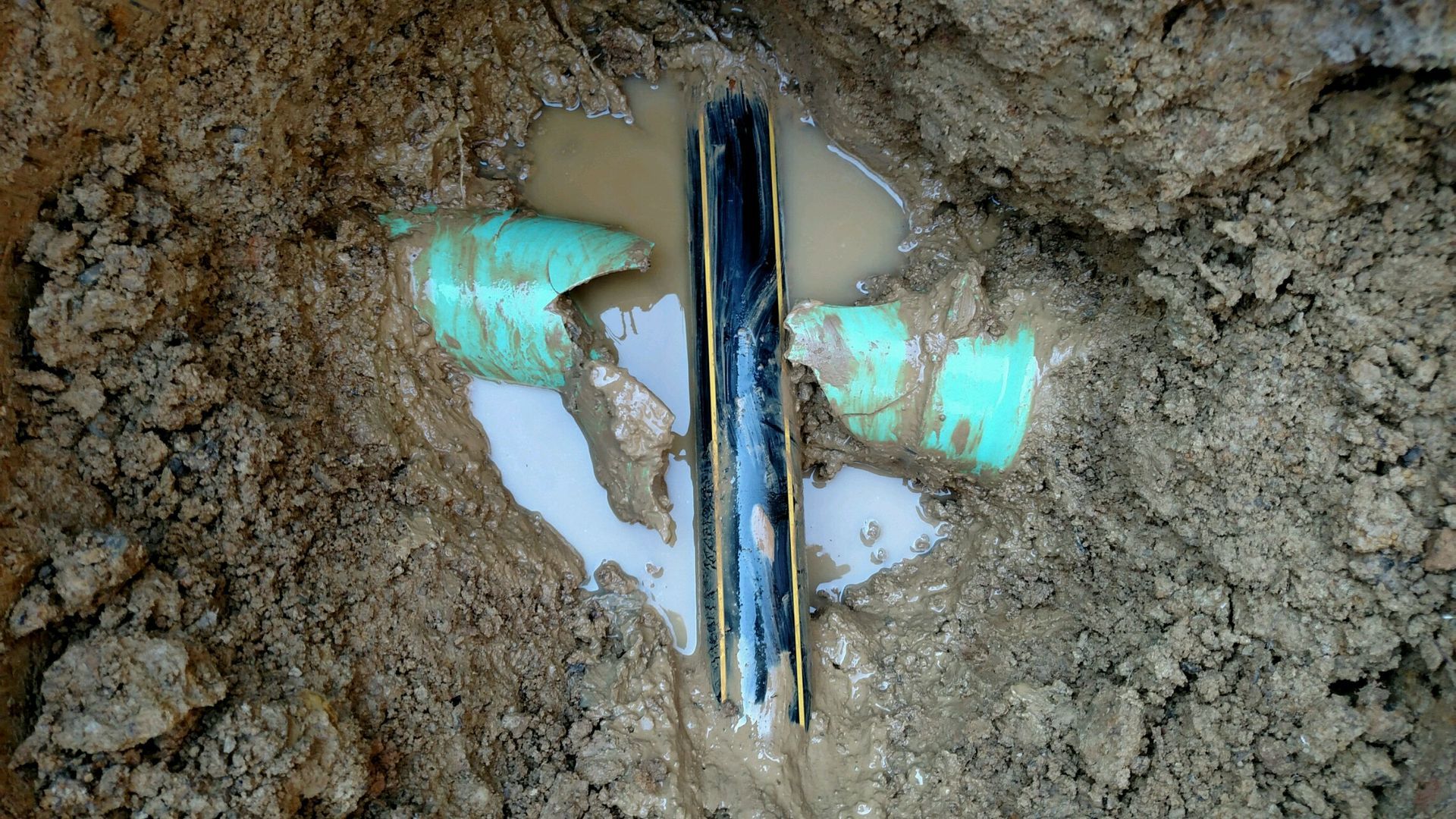
  • Cross-Bores

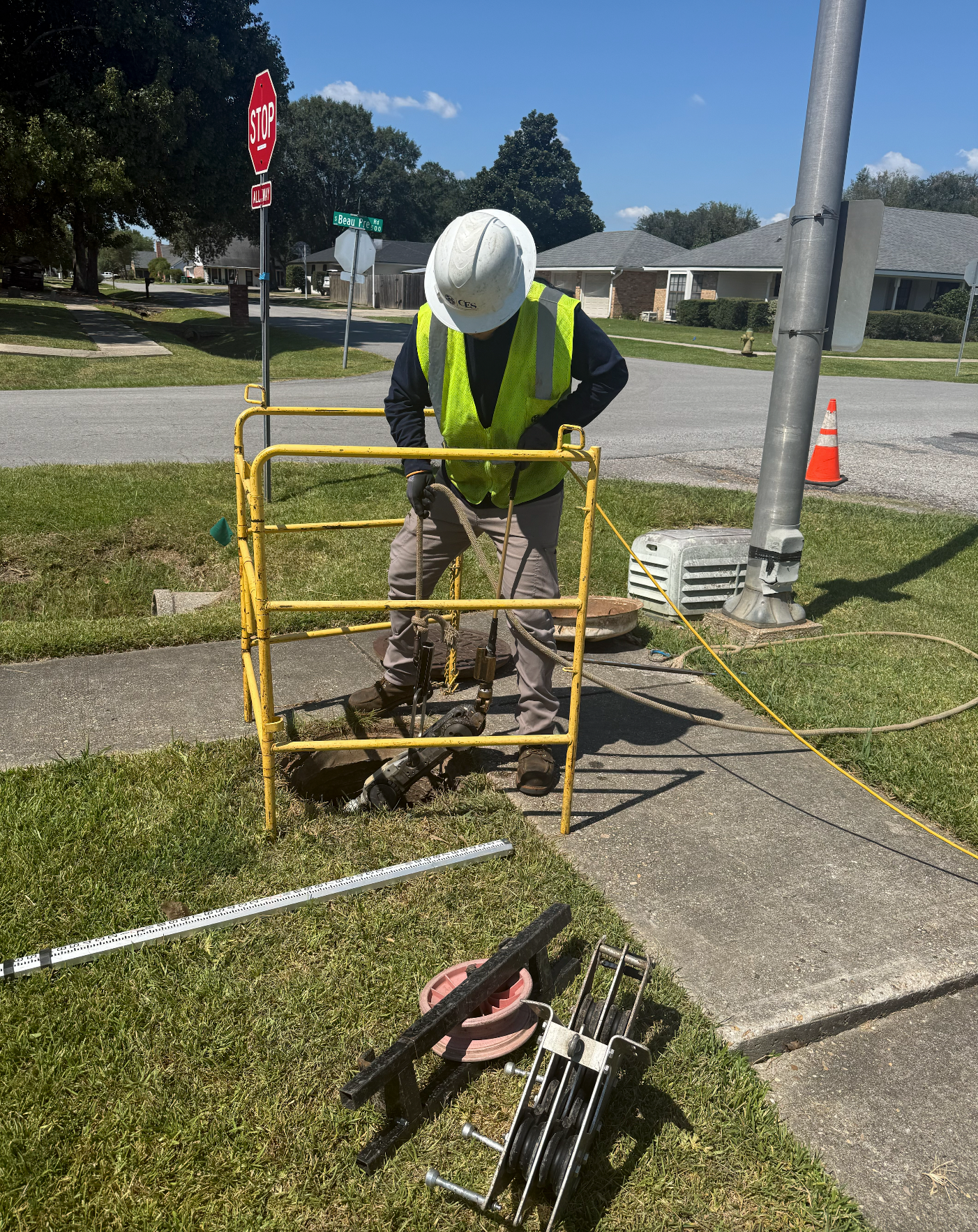
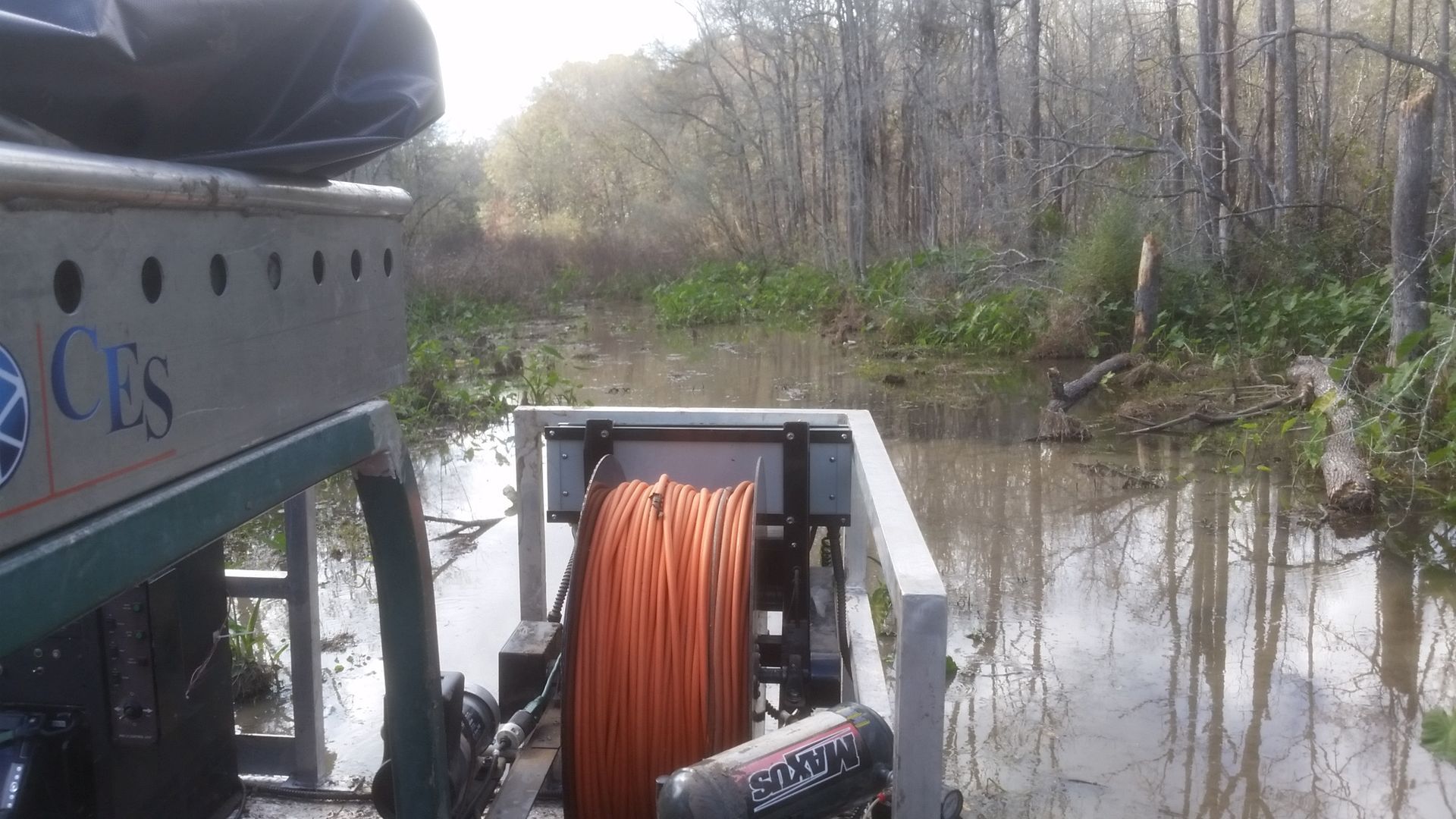
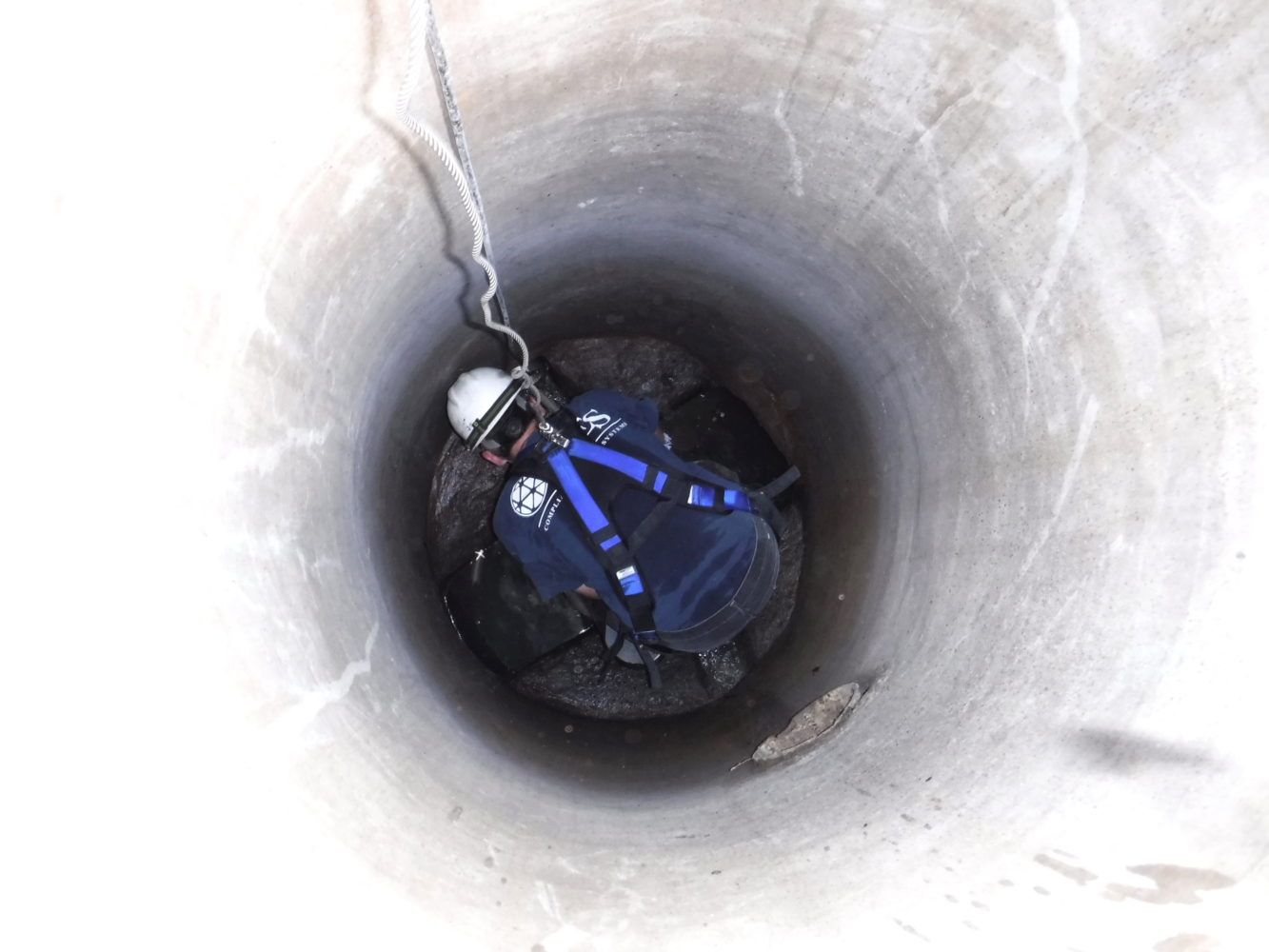
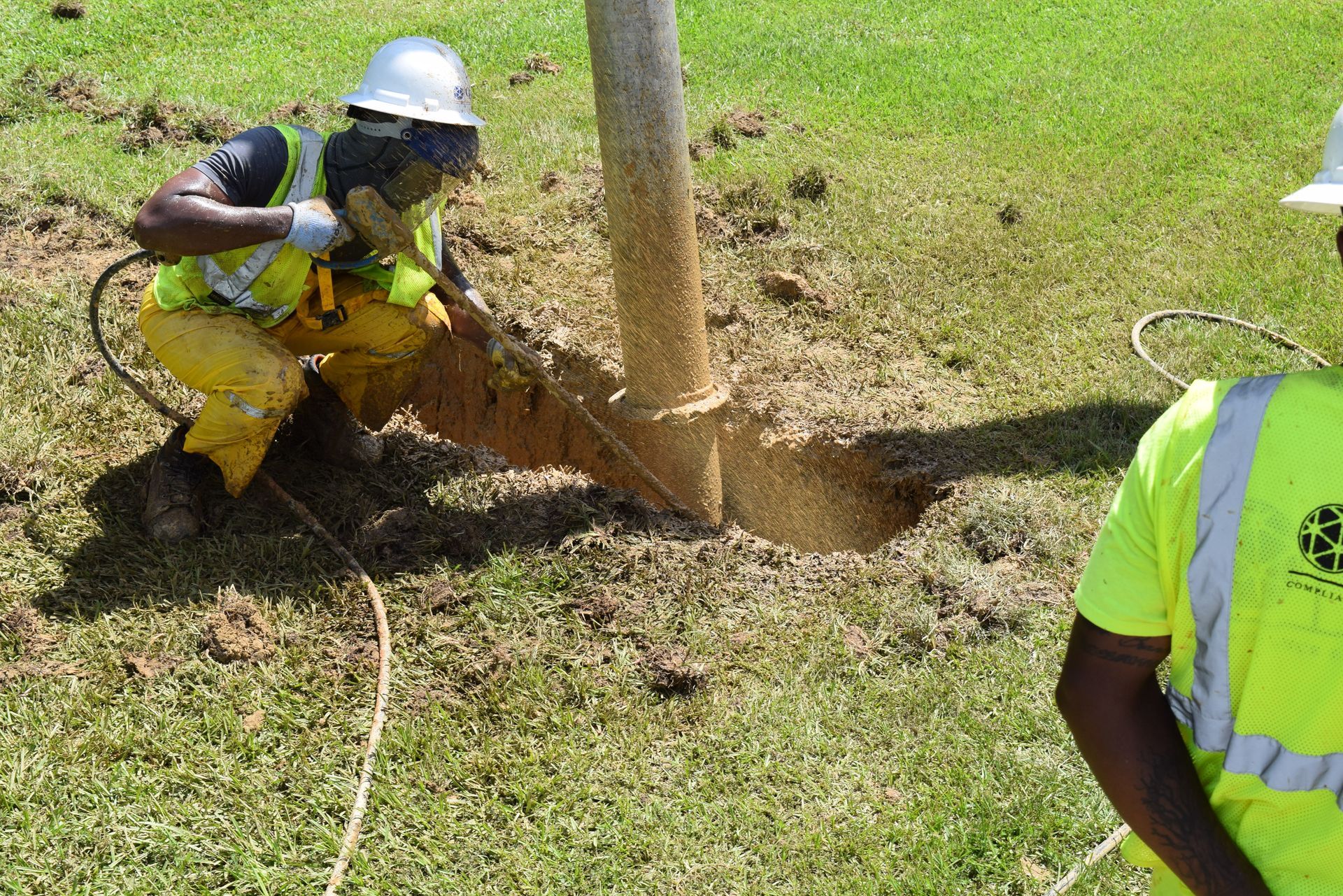
CES stands proudly by the motto Any Pipe, Anywhere and is never deterred from an inspection simply because of its location. Whether a sewer pipe is located in a neighborhood, congested intersection or buried deep in the woods, CES will identify it and perform the services required at the highest professional level.


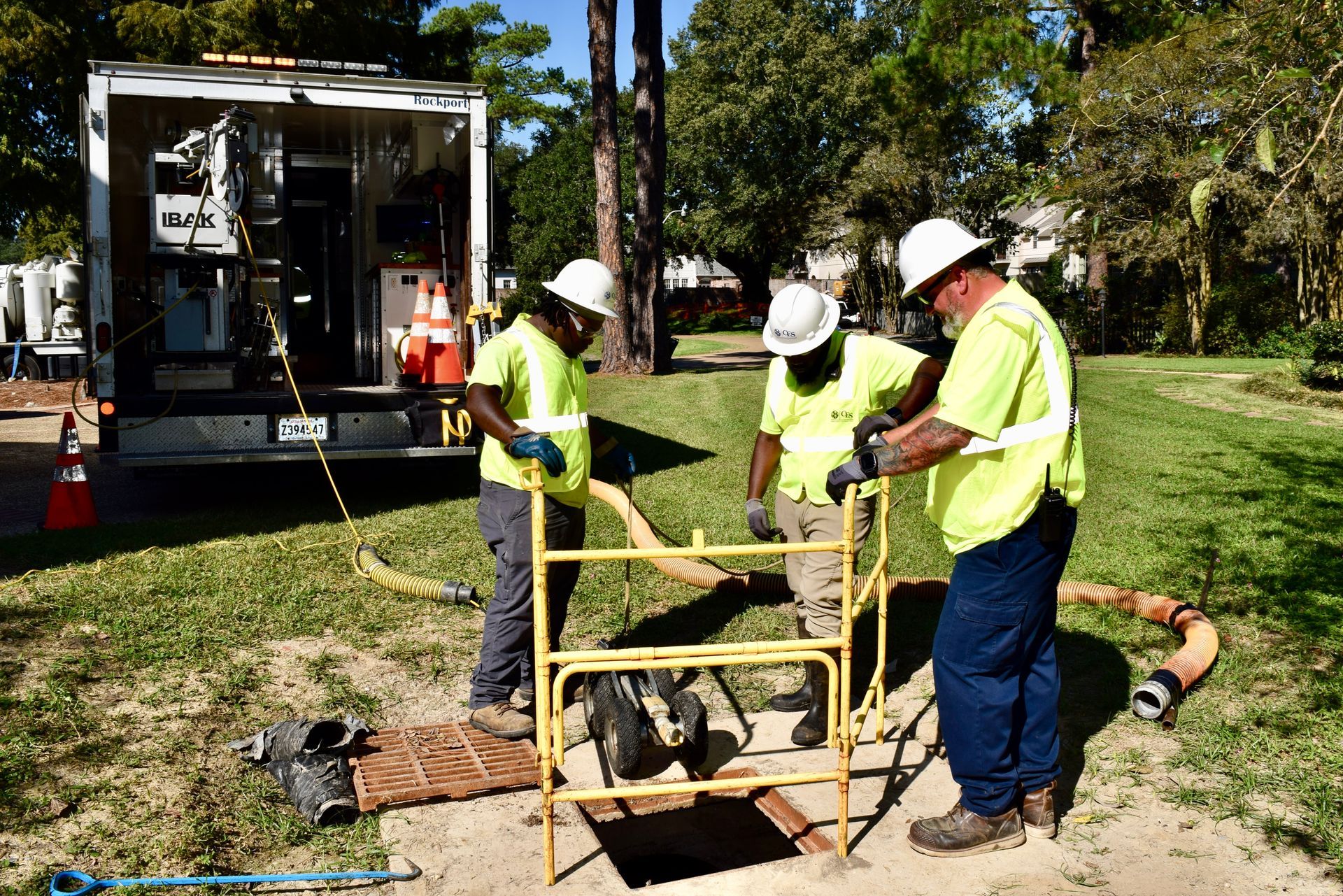
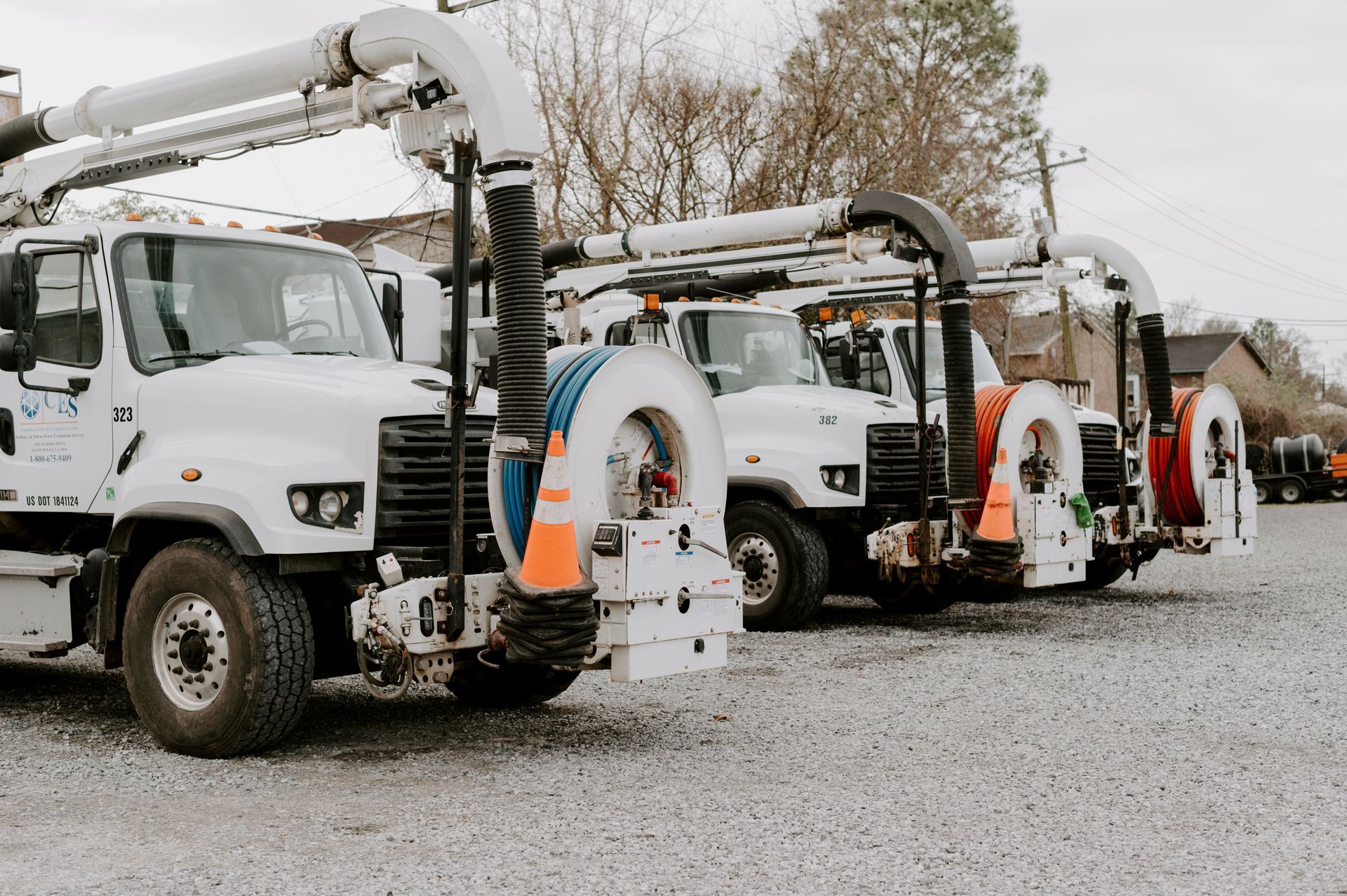
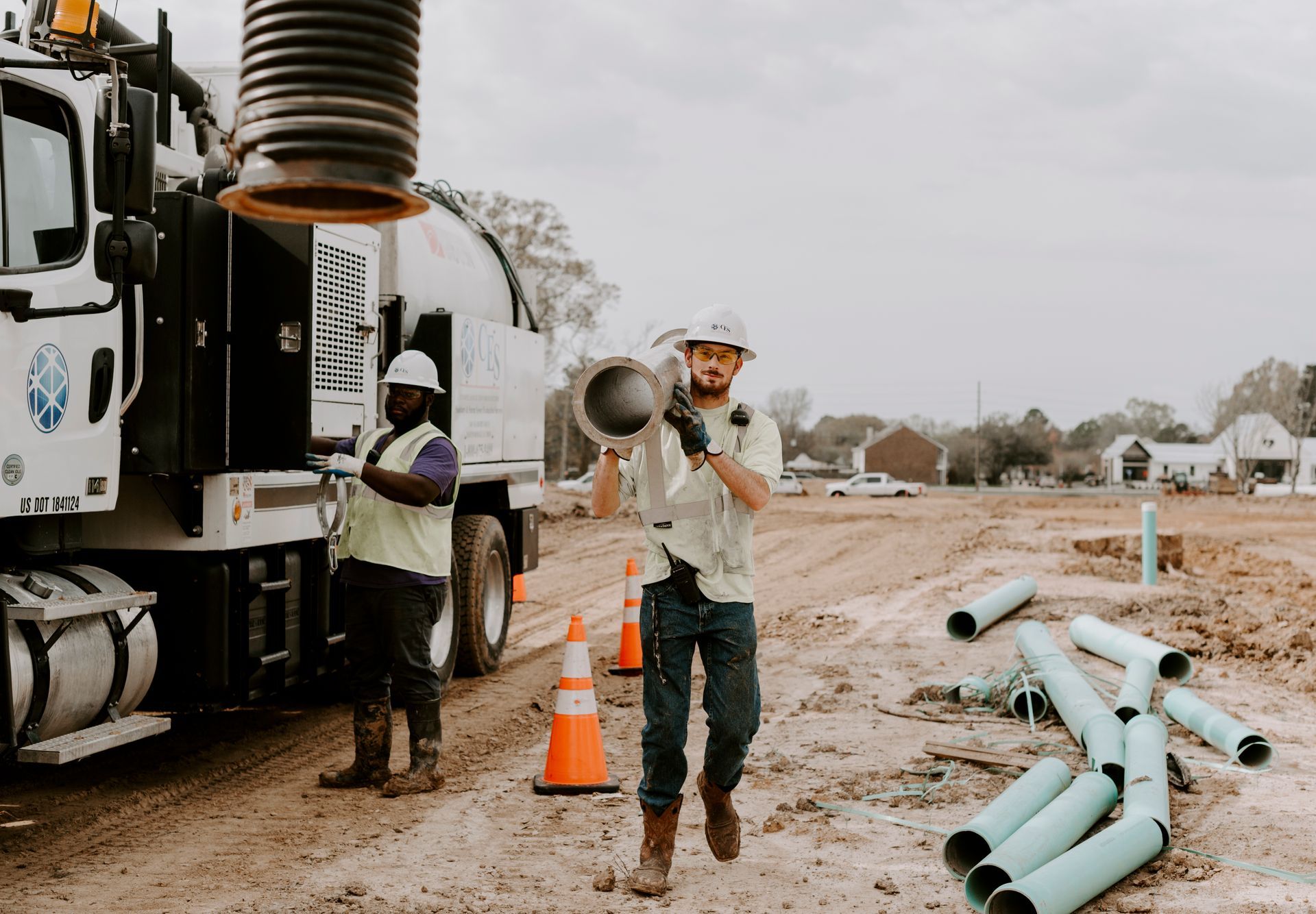
Along with the standard cleaning and inspection units, CES also maintains a fleet of ATVs, off-road vehicles, easement machines, and boats which stay stocked with the necessary cleaning and inspection equipment. 


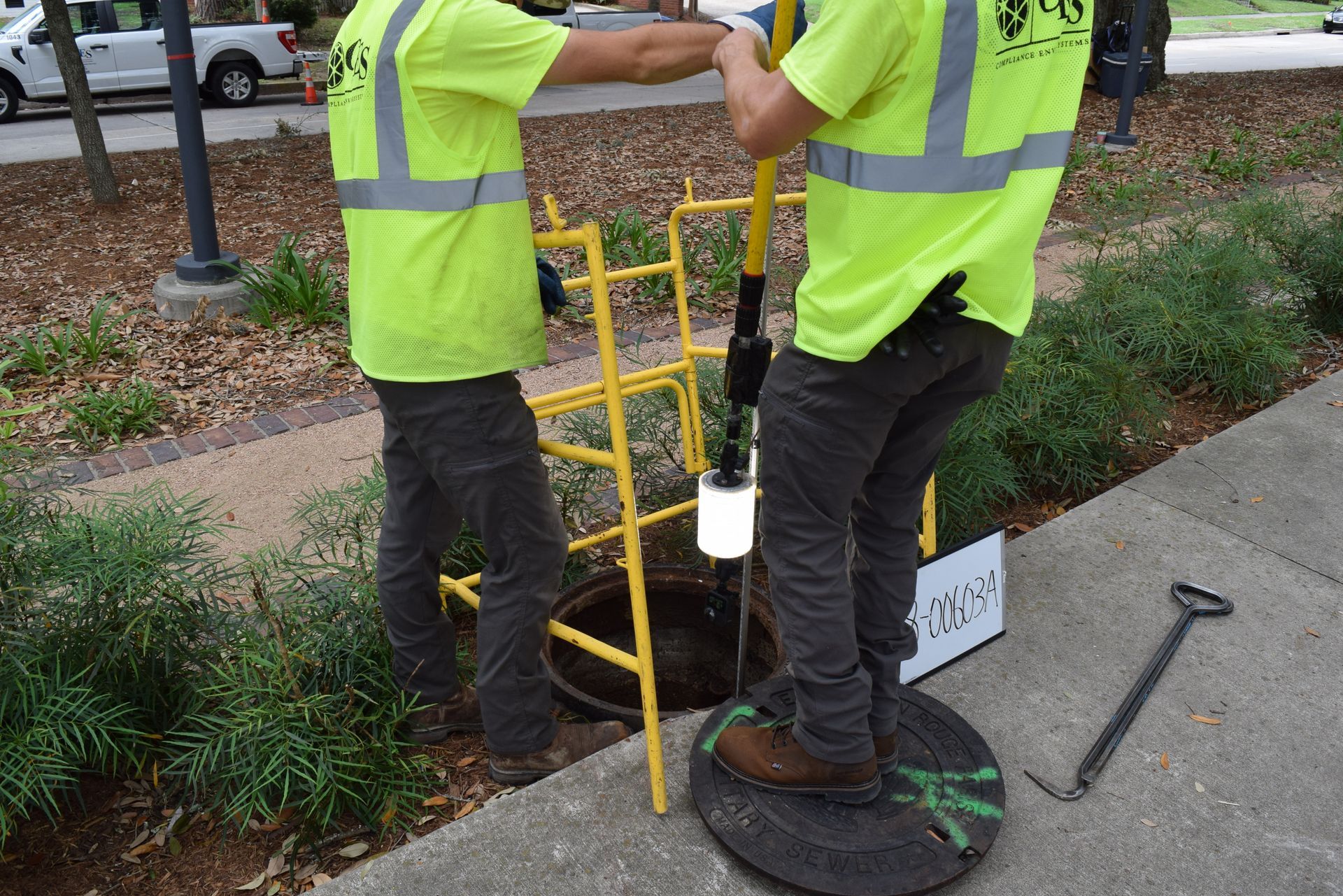
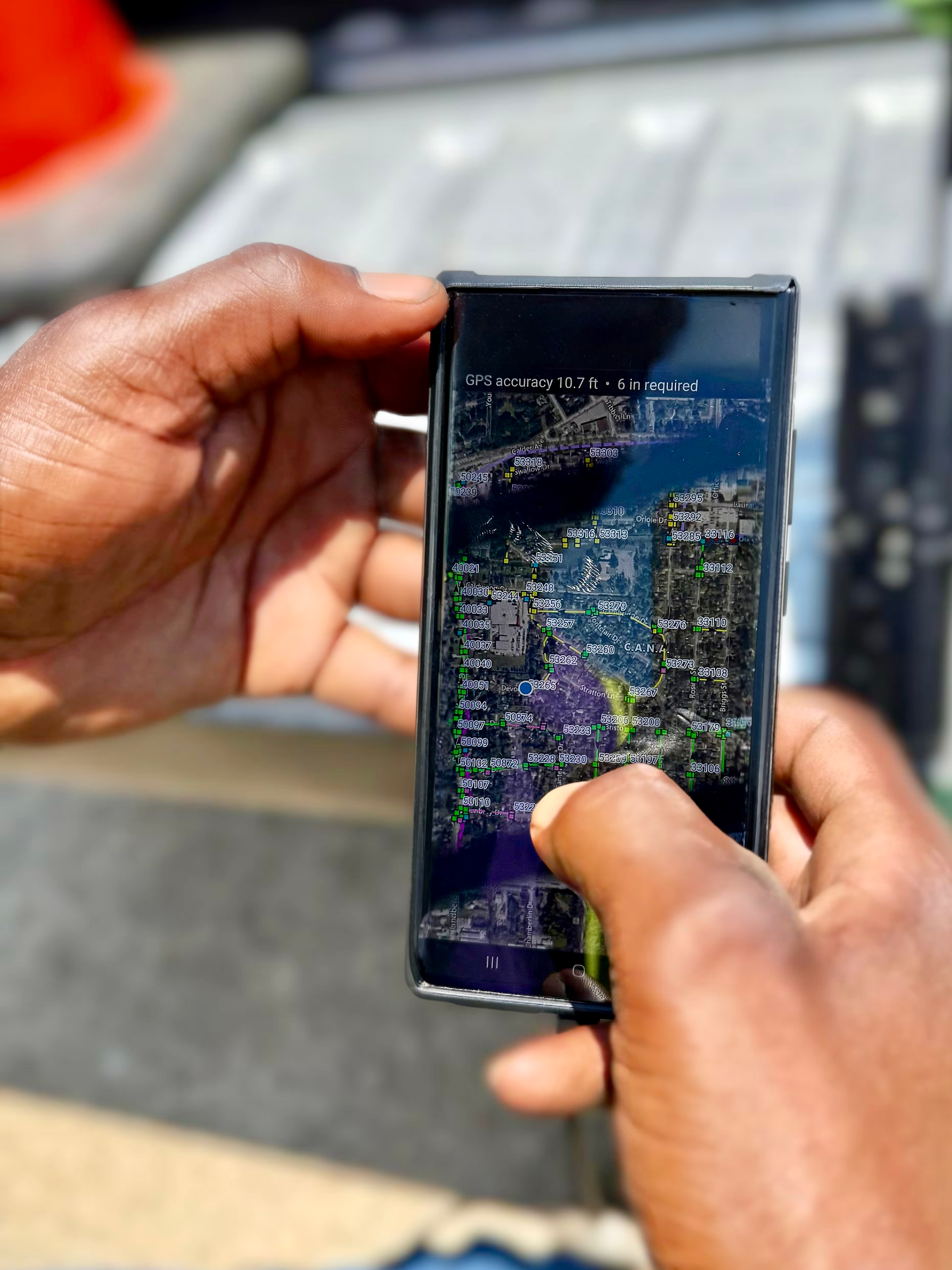
Because we make accuracy a top priority, CES also has the ability to utilize IBAK’s 3D GeoSense technology during inspections to capture the precise route and elevation of pipelines while the inspection is being performed. This integrated sensor system records XYZ coordinate data in real time, improving defect location accuracy and providing valuable information for GIS mapping and asset management.


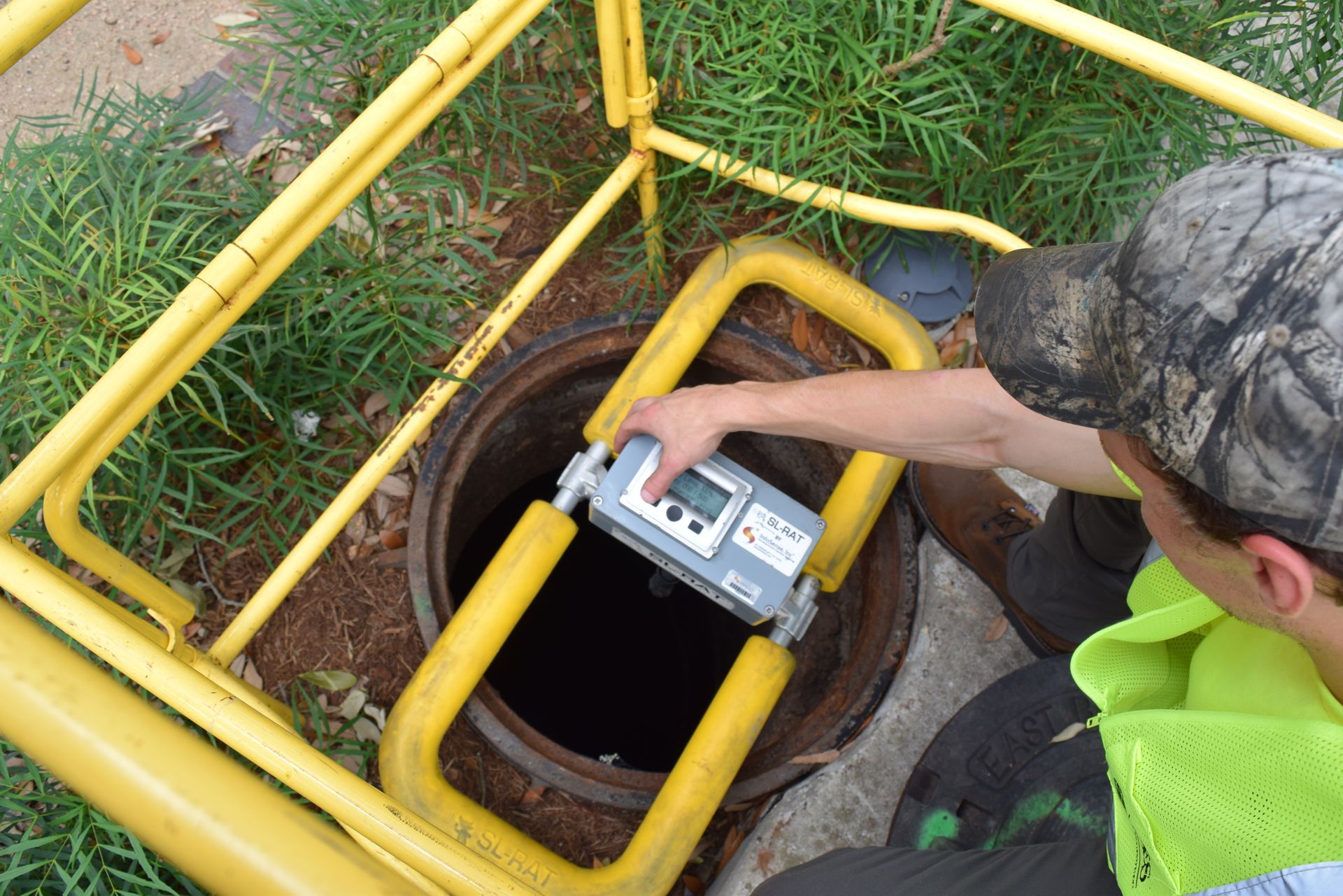
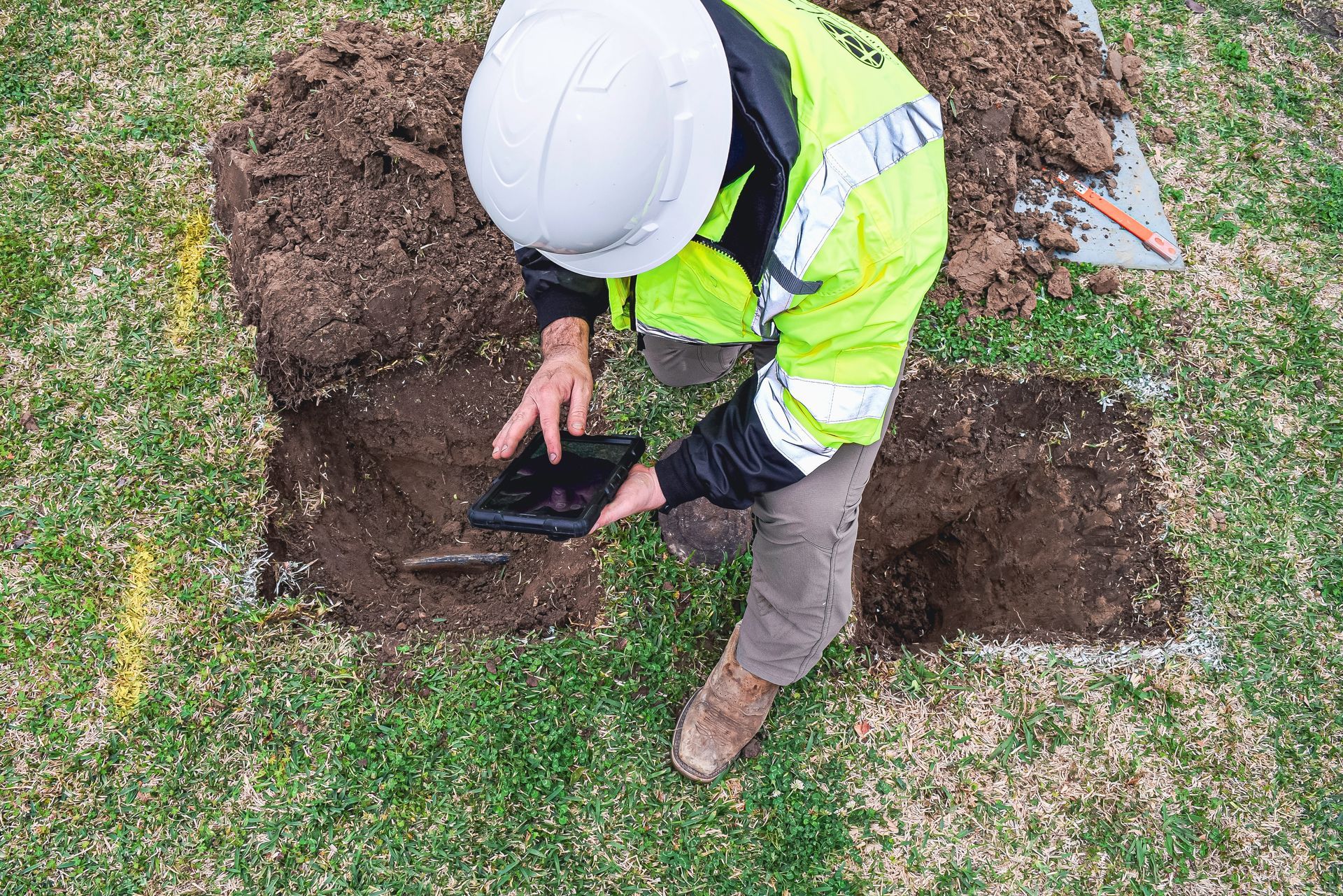
CES is also well equipped to perform assessments on service laterals. CES can thoroughly inspect and clean laterals both from the mainline and the cleanout. These services coupled with GPS data collection, make CES the top choice for mapping an entire system.

Data That Drives Informed Decisions

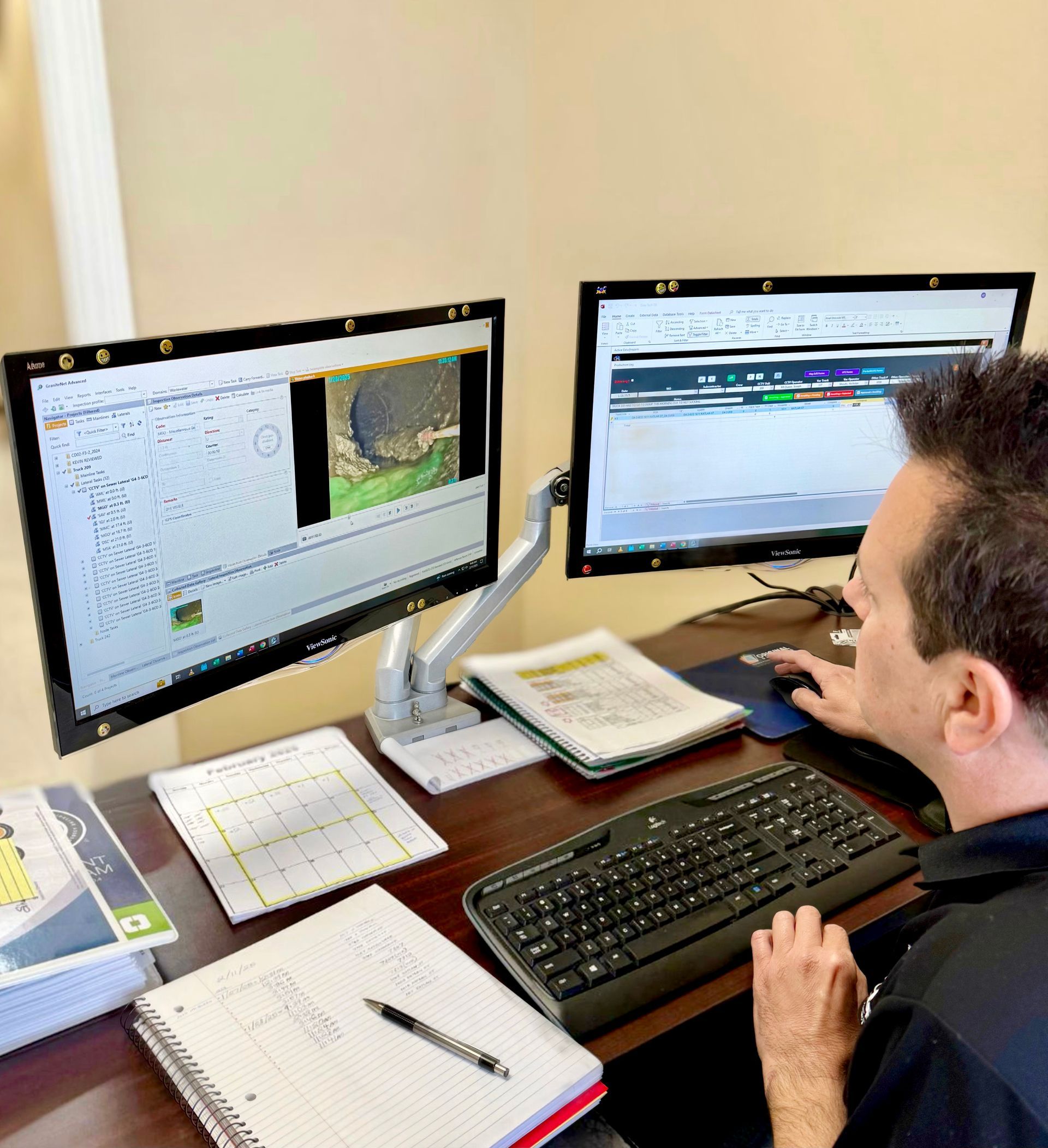
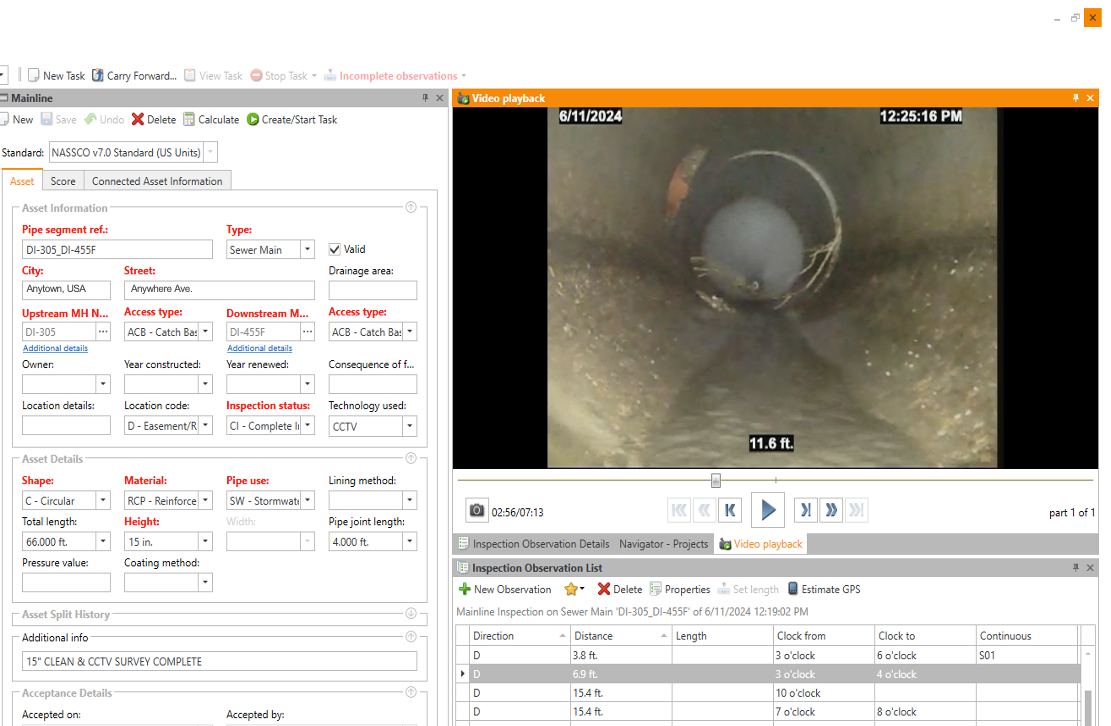
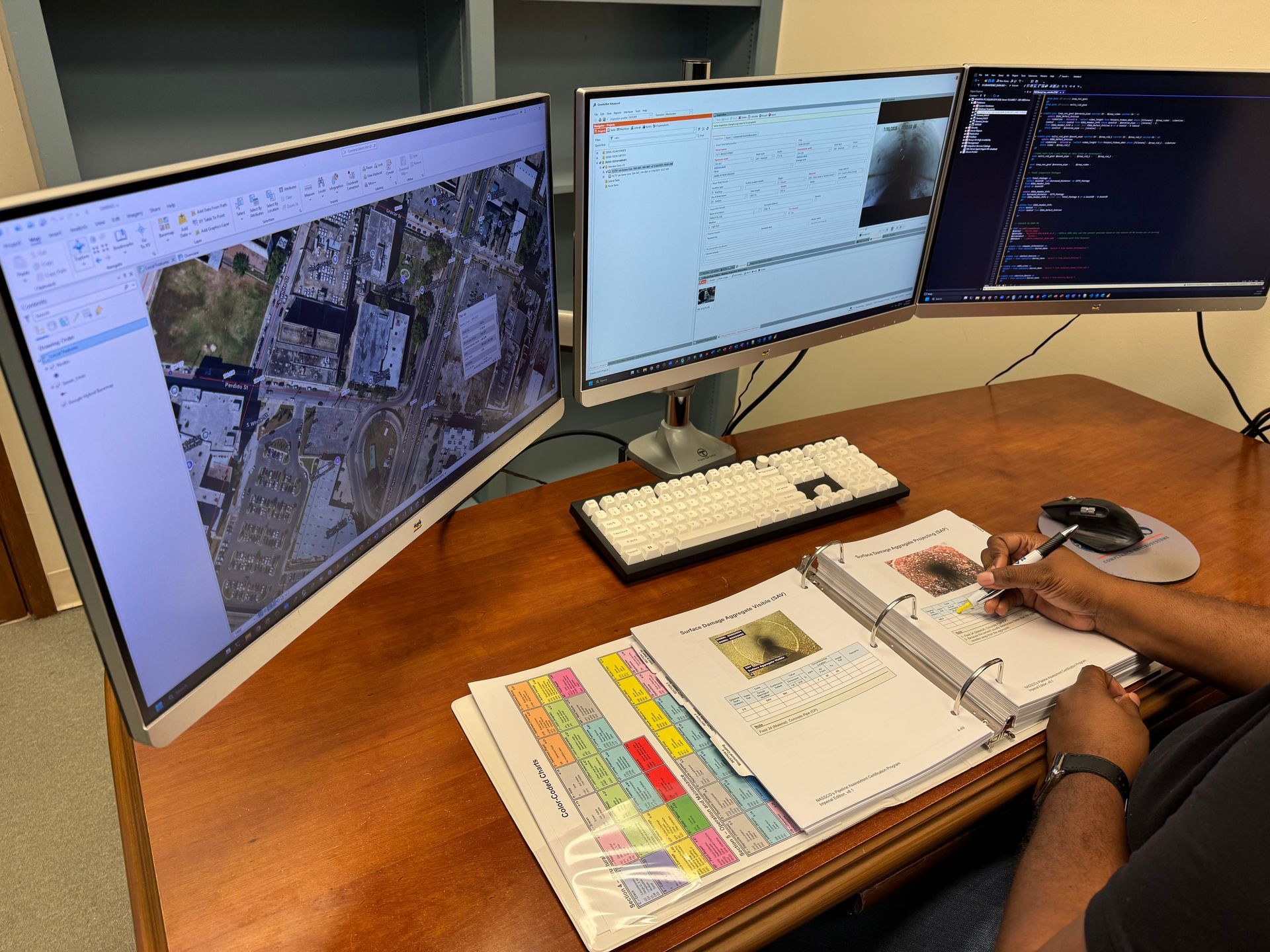
Data collected in the field is sent to the CES data management facility, where PACP, LACP and MACP-certified data technicians review all data and make any necessary changes before the final deliverable is submitted to the customer.


Deliverables include a Pipeline Assessment Certification Program (PACP), which encompasses both HD videos and detailed PDF reports with access points, defect coding, etc.

frequently asked questions

Can a CCTV inspection prevent future sewer problems?

Yes! By identifying minor issues before they become major, a CCTV inspection helps prevent costly repairs and emergency backups.


Do I need to prepare for a CCTV inspection?

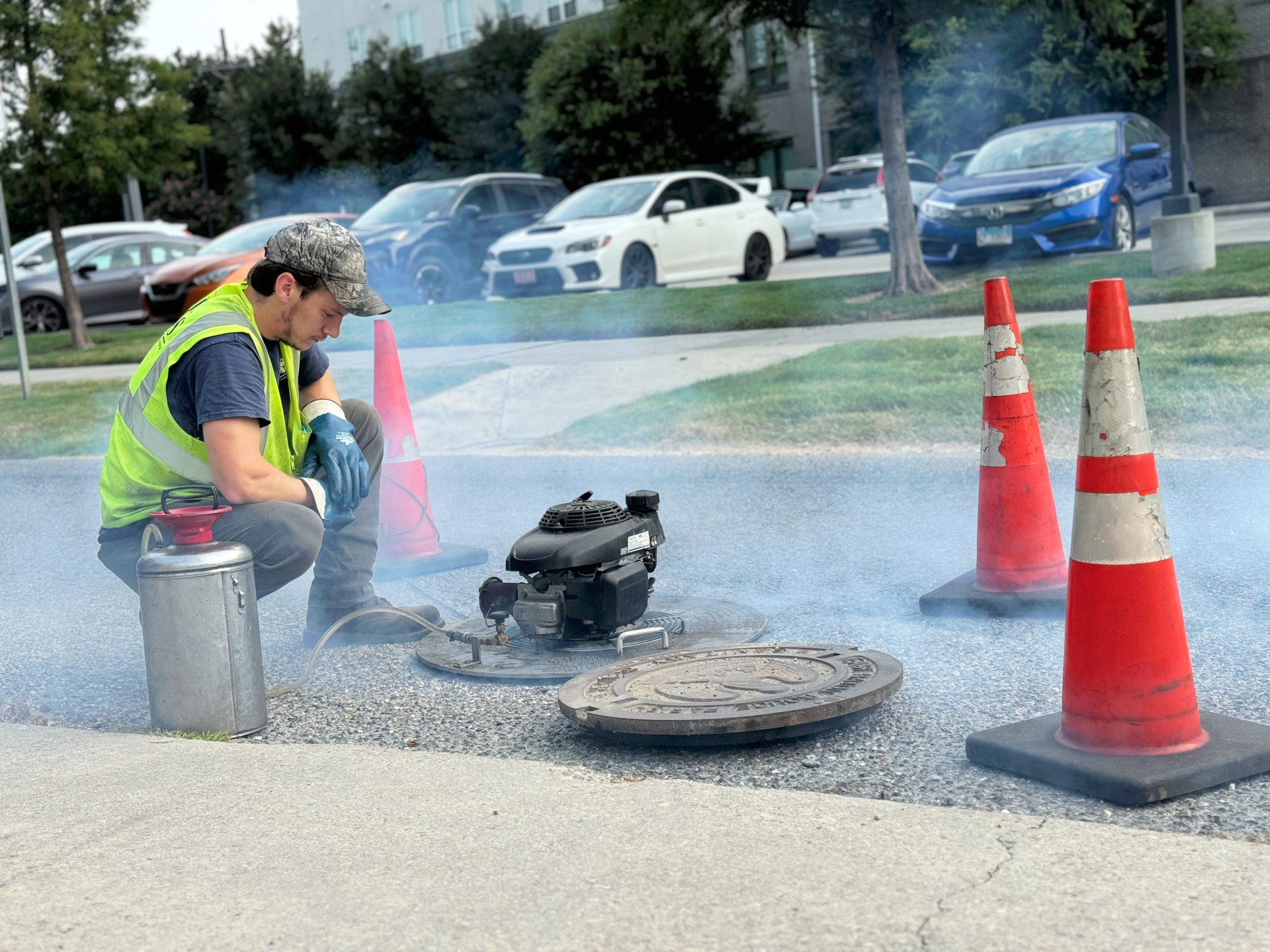
Cleaning must happen before CCTV can take place. The line must be clear of debris for the camera to provide more accurate defect locations, gather better geometry data, move through the system more efficiently, and see the entire pipe clearly. CES field technicians will clean pipes before bringing in CCTV.


What is 3D GeoSense technology?

3D GeoSense is a sensor system integrated into certain CES CCTV inspection cameras that records the precise route and position of pipelines during inspection. It captures XYZ coordinate data to map the pipe’s alignment and elevation.


What are the benefits of GeoSense during a CCTV inspection?

GeoSense allows inspection and pipeline route measurement to occur in the same operation. This allows CES to be as efficient as possible in providing more accurate defect locations and pipe geometry data.


How is GeoSense data used after a CCTV inspection?

GeoSense data can be integrated with GIS mapping and inspection reports to verify pipe locations, improve sewer network records, and provide CES clients with the tools they need for more accurate, cost-effective repair planning.

More questions?

Other Services