Zoom Camera Inspections
Zoom camera inspections provide a fast, cost-effective way to understand pipe conditions and help you prioritize your next steps. Used as part of the CES Triage Approach, this inspection method helps identify which pipes are clean, which are dirty, and which show visible defects, allowing clients to focus on cleaning only the dirty pipes and getting detailed inspections where they’re actually needed. Zoom camera inspections allow you to plan smarter by determining where traditional CCTV or other pipe inspection methods are necessary. This allows CES clients to make the most of their budgets while still gaining a clear picture of their stormdrain system.
How it Works

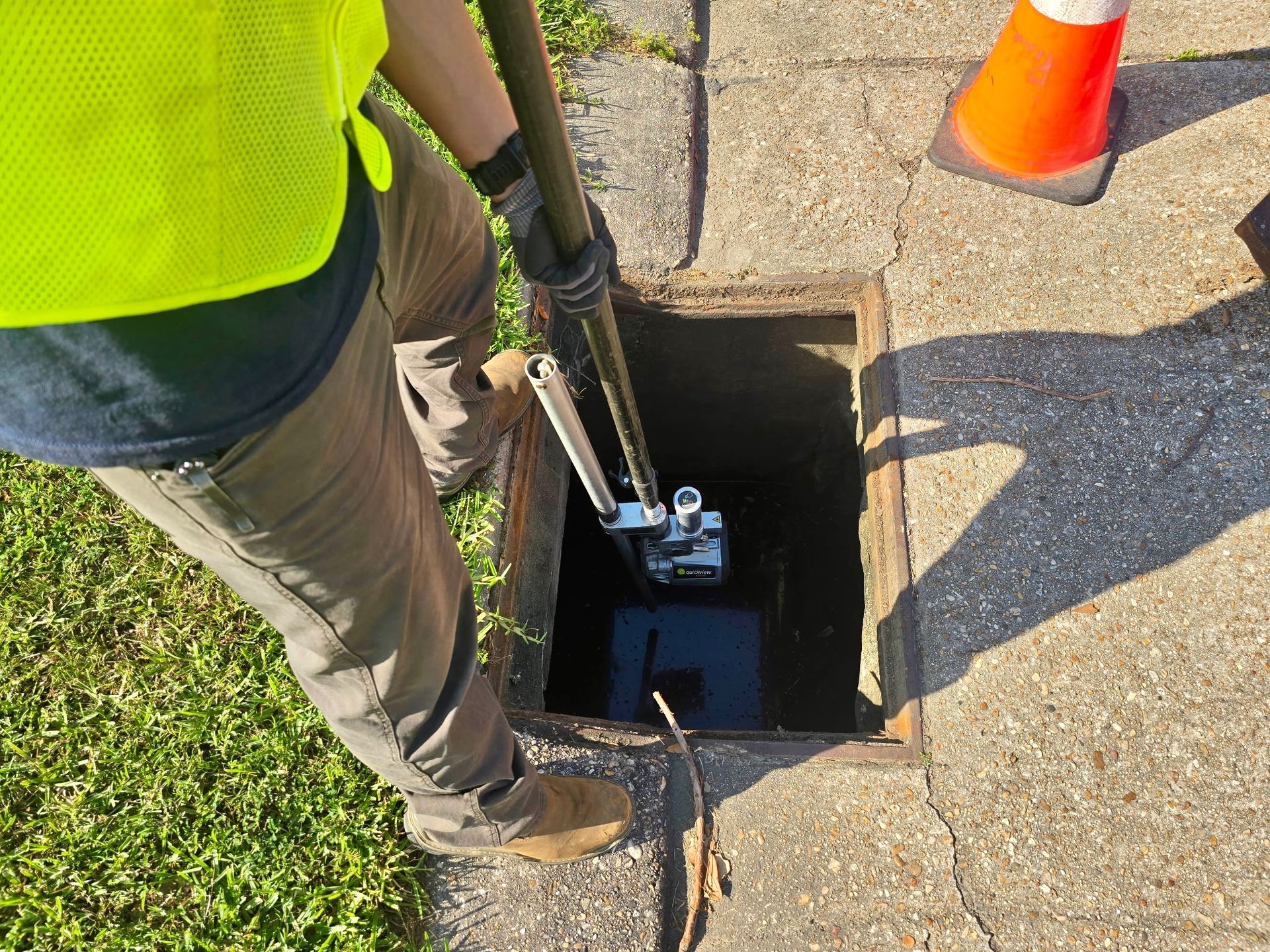
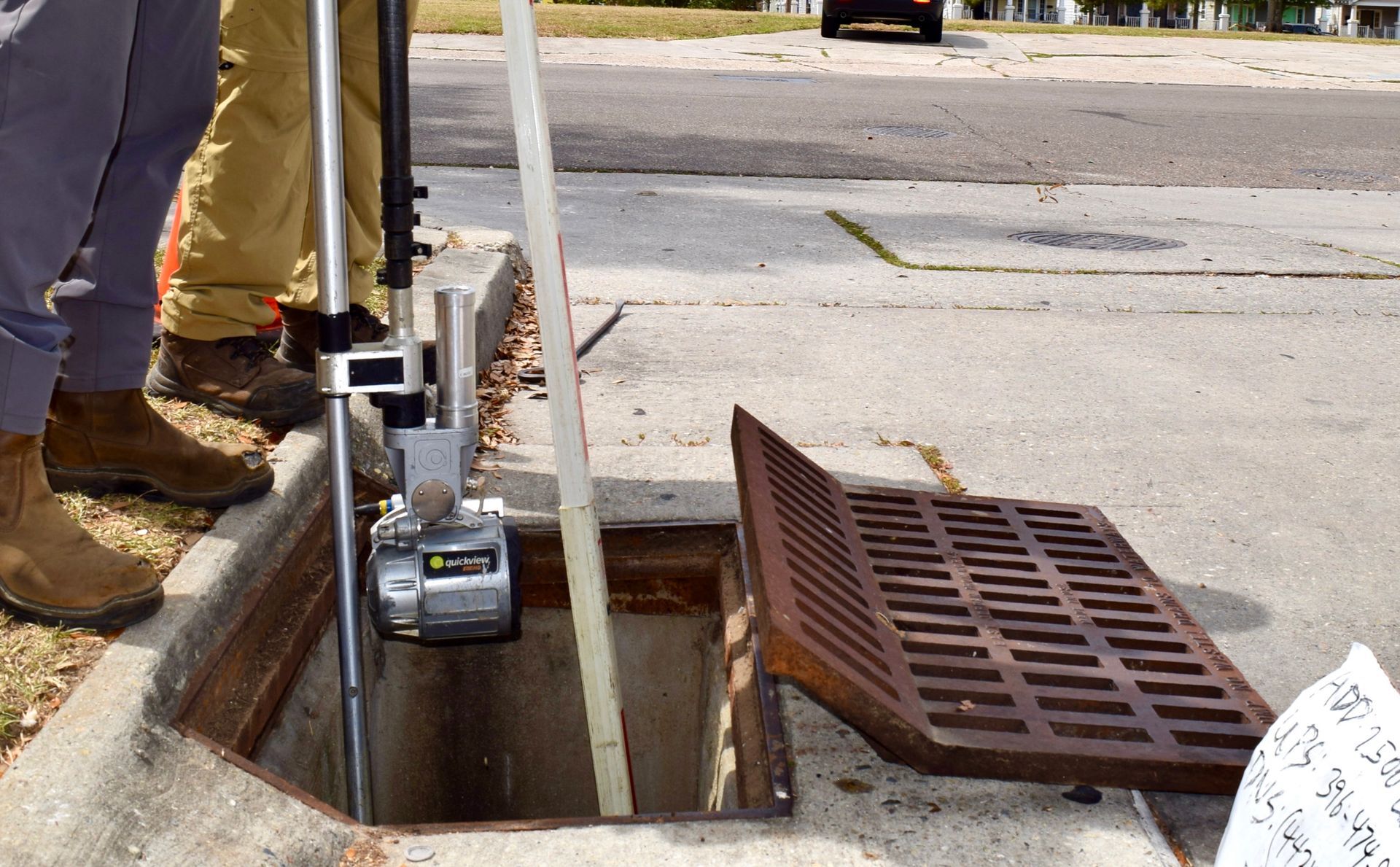
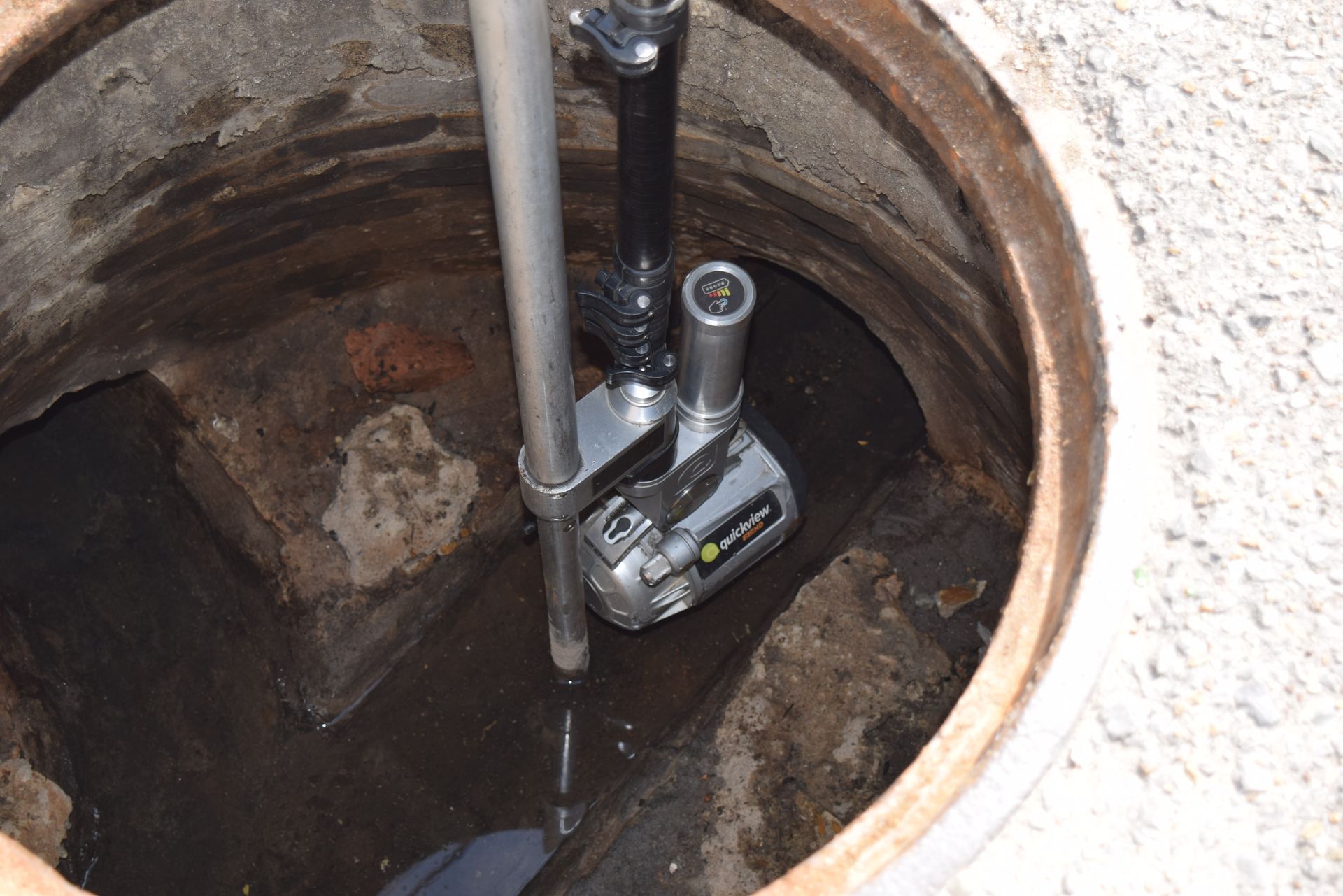
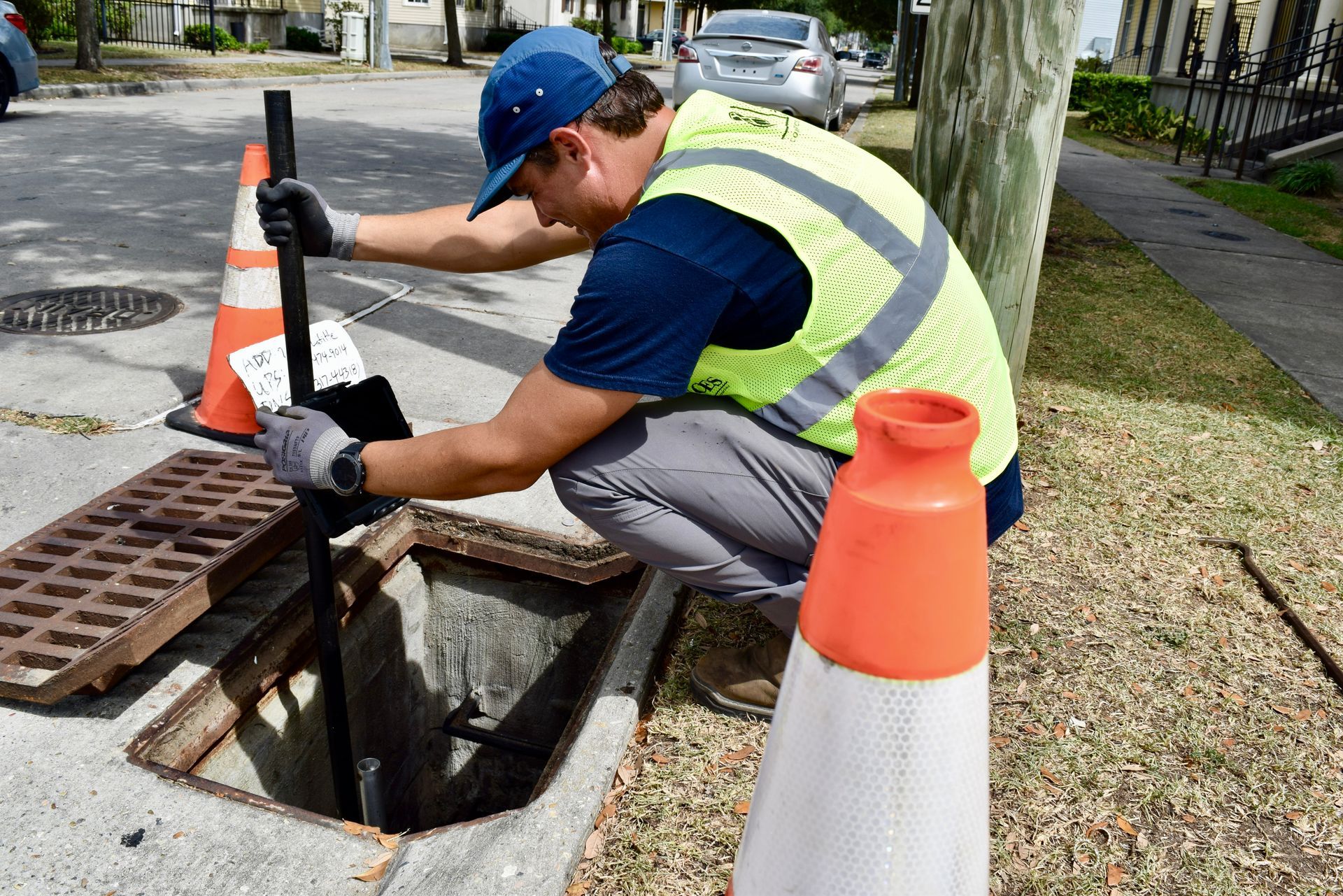
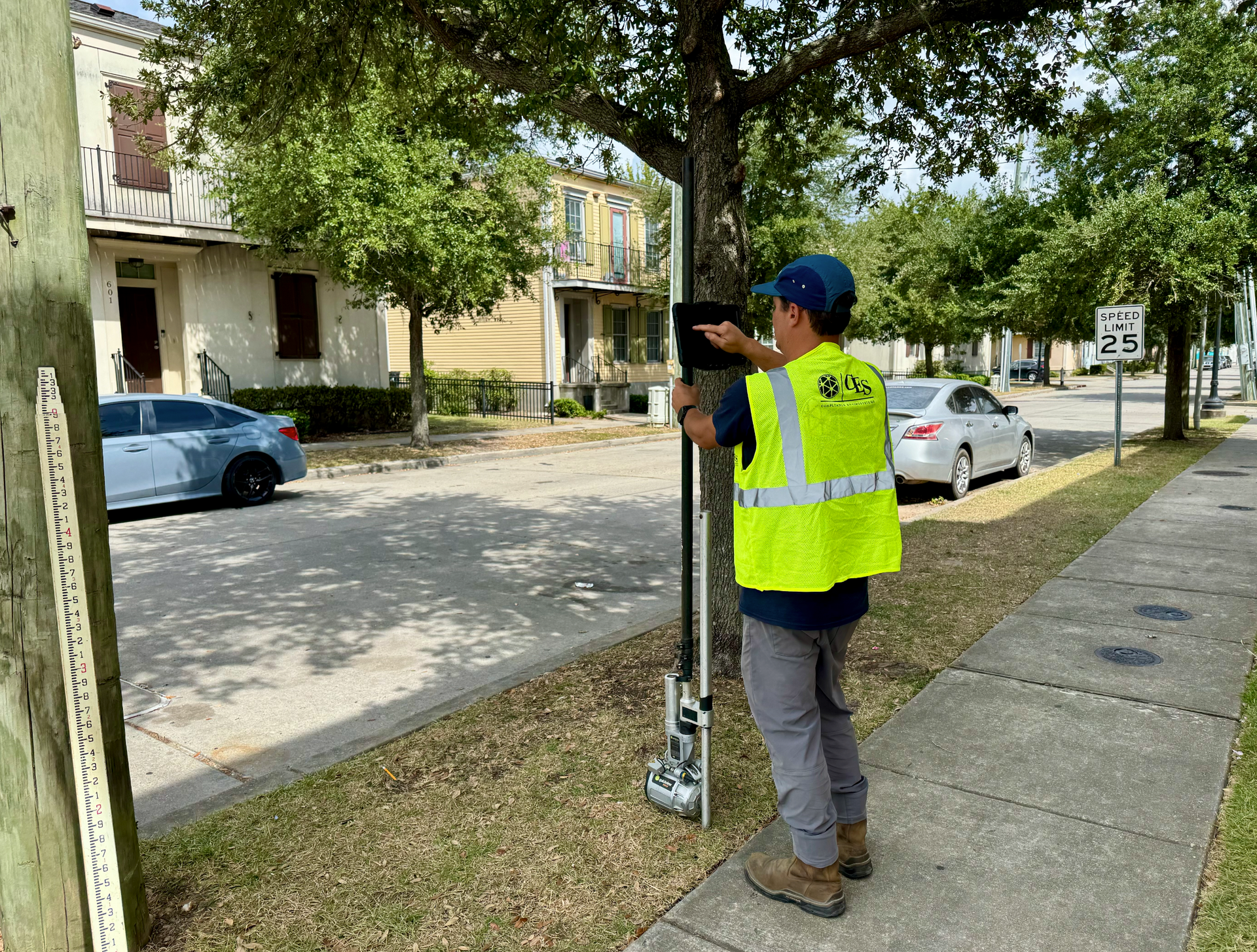
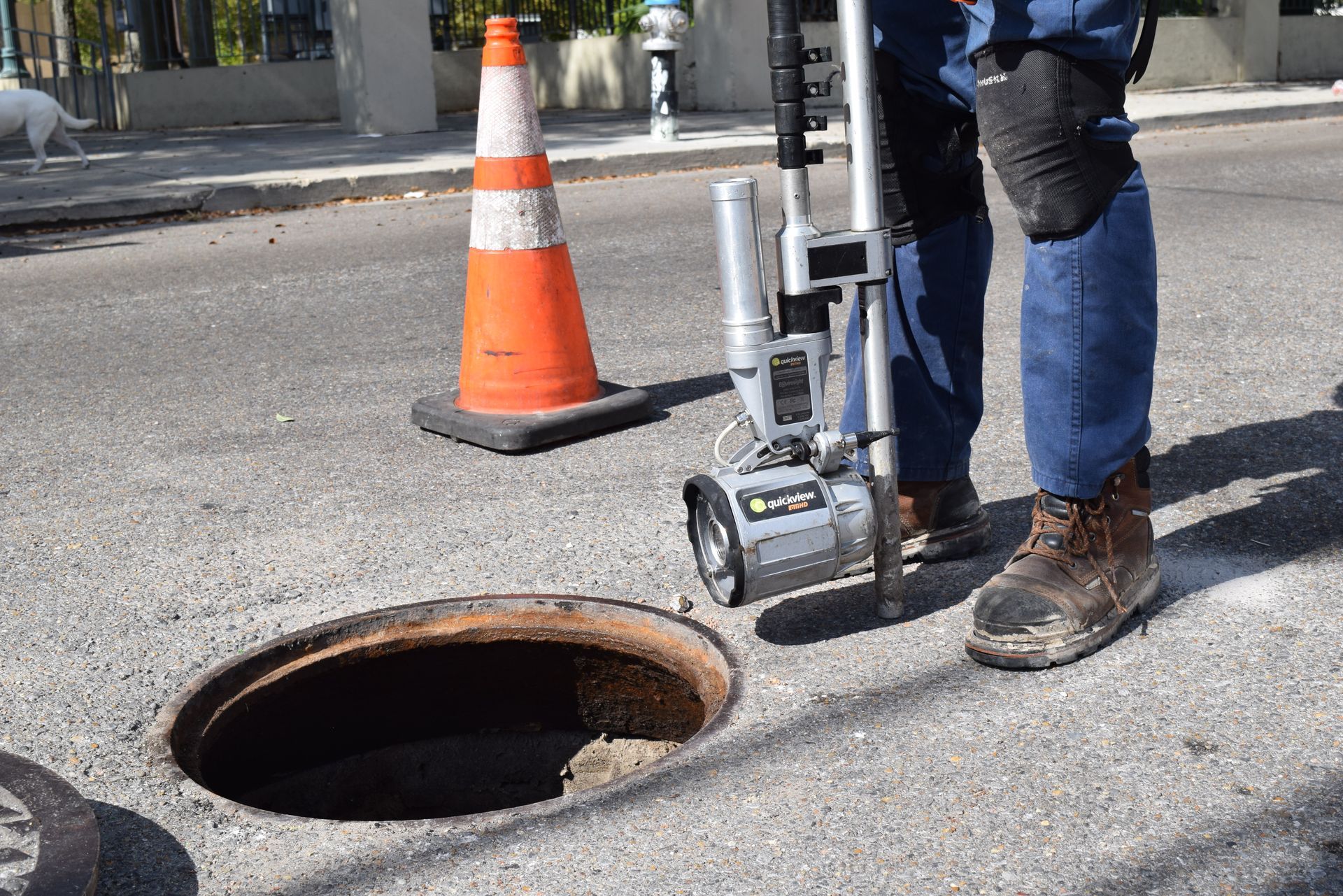
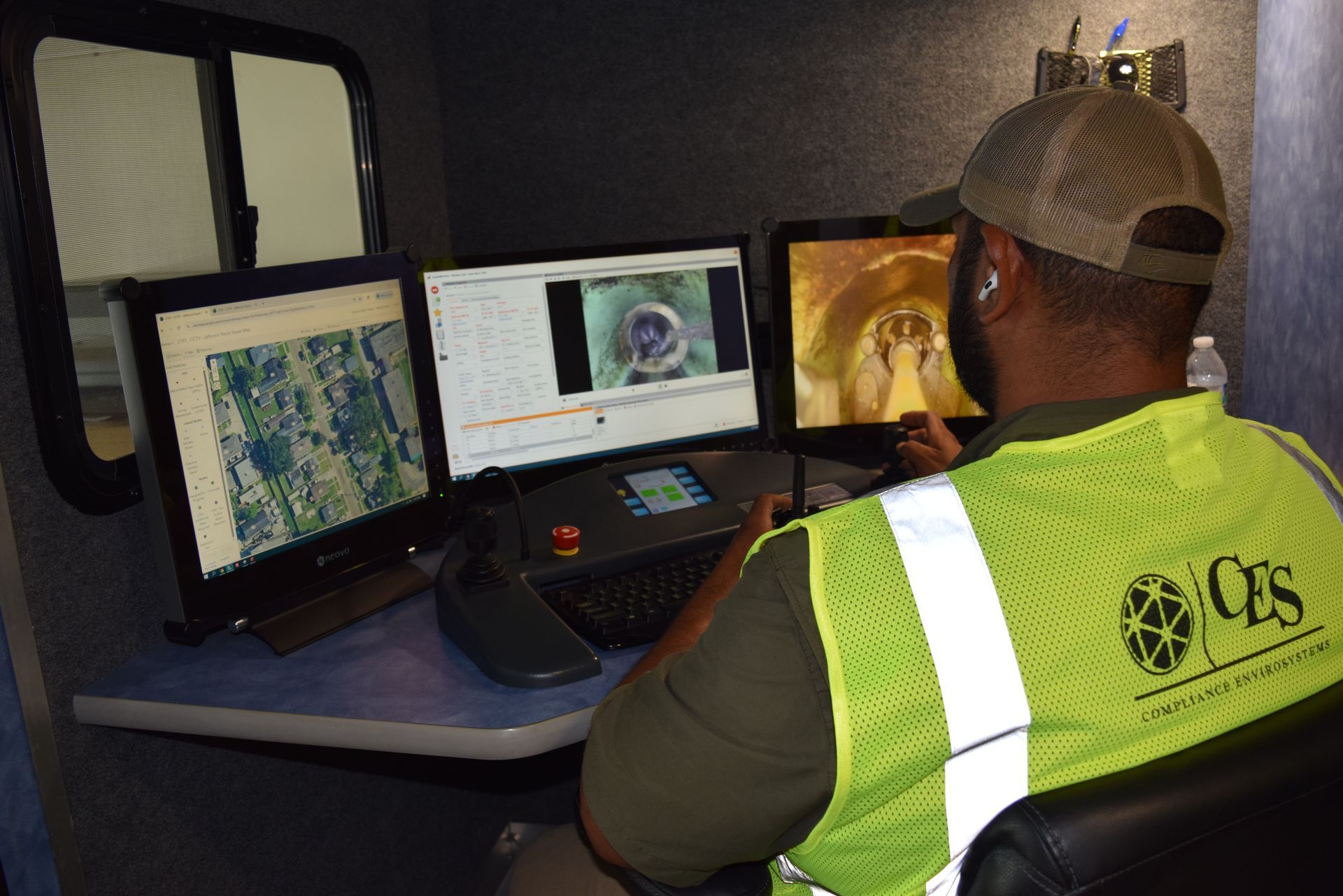
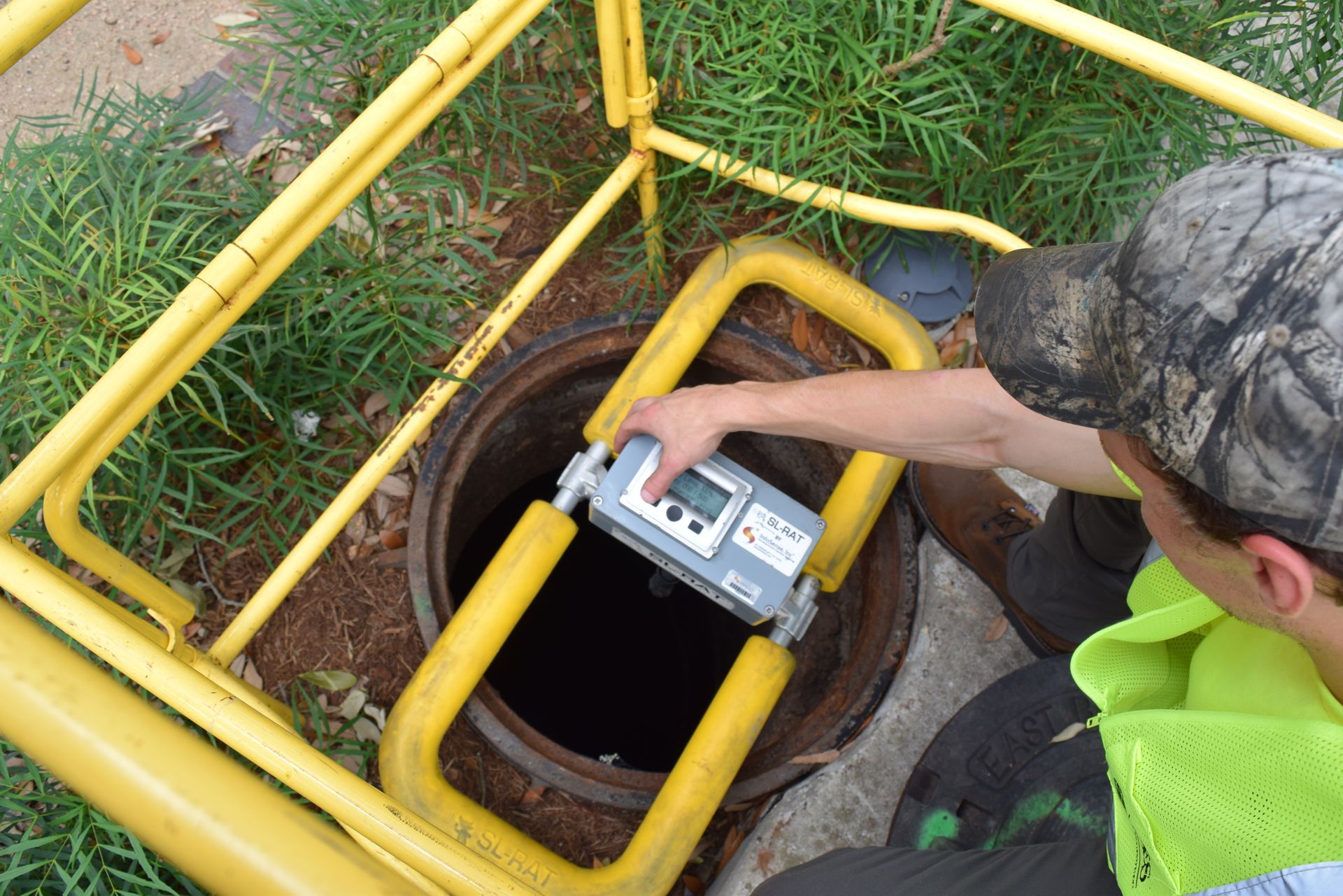
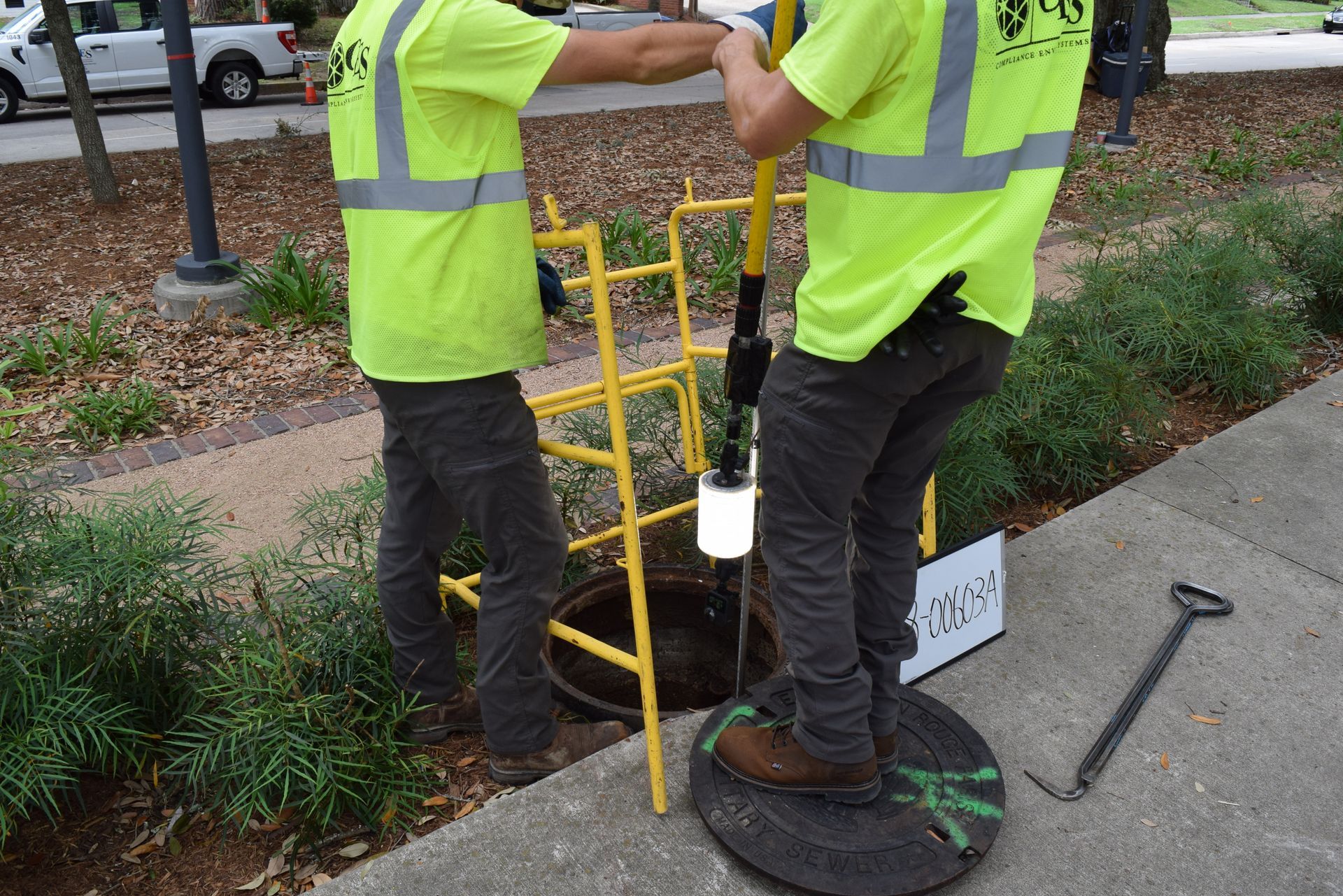
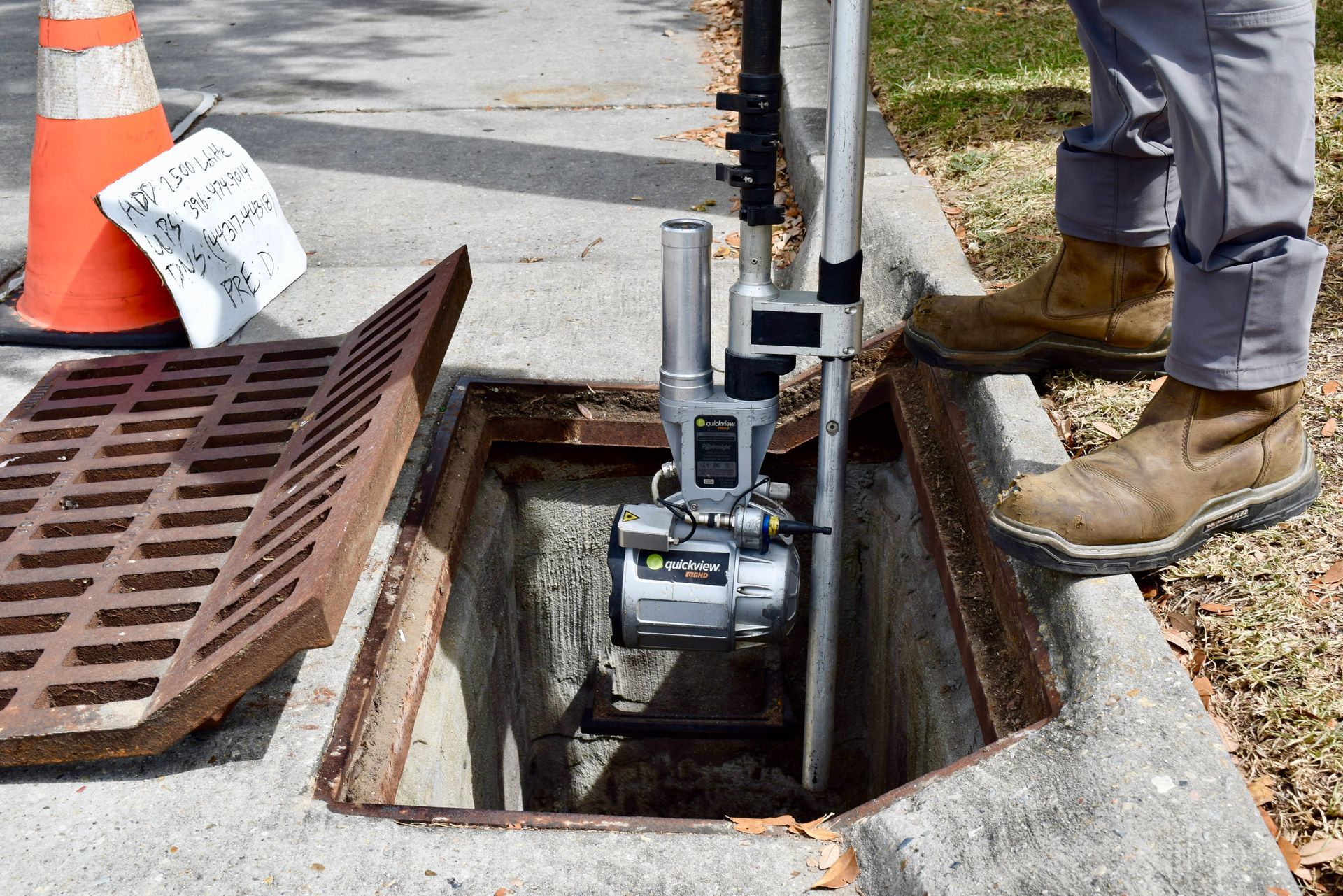
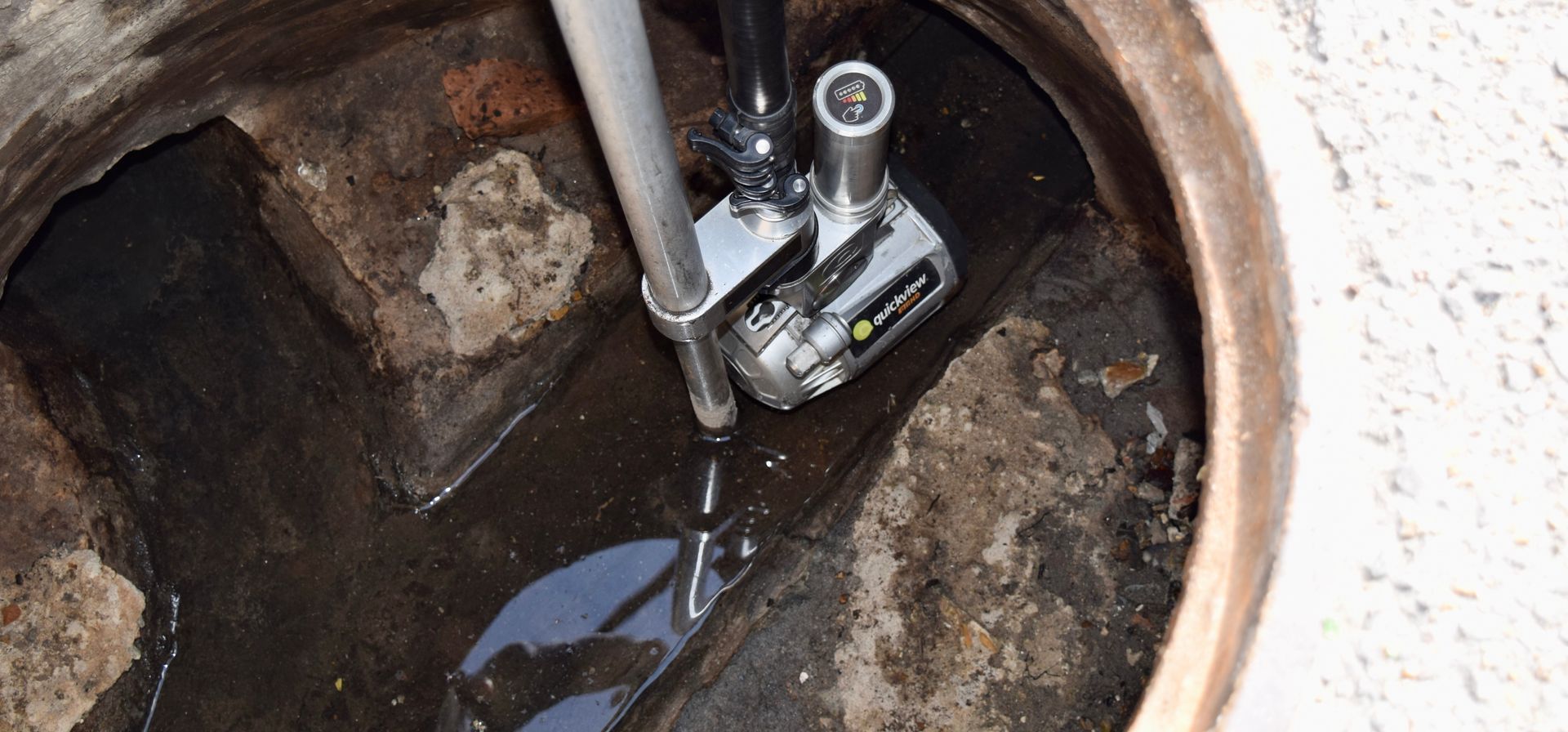
CES uses high-definition, pole-mounted zoom cameras to inspect storm drain pipes from existing access points such as catch basins, curb inlets, manholes, and outfalls. Our crews view live footage while above ground, allowing them to conduct quick pipe assessments without a full CCTV setup.


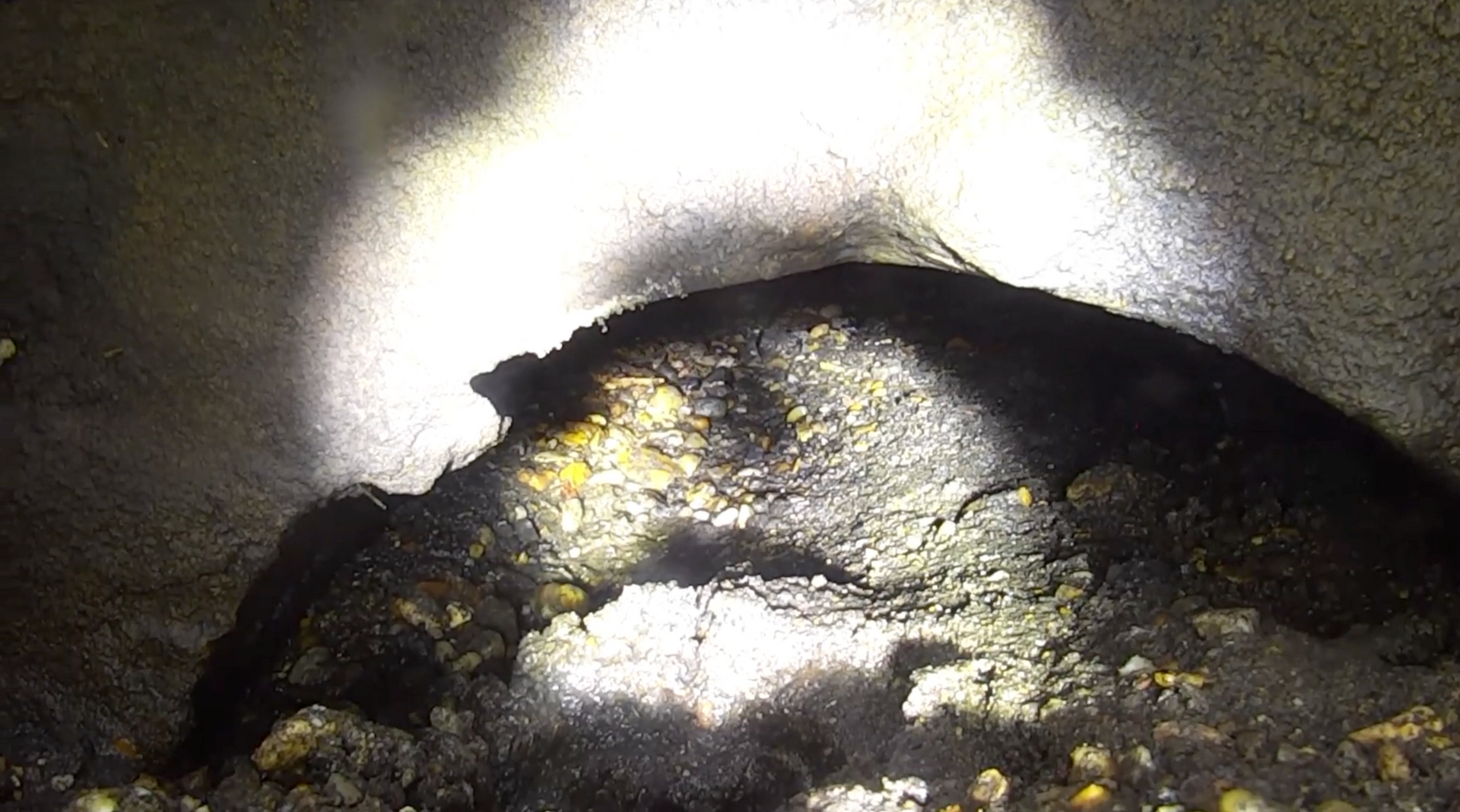
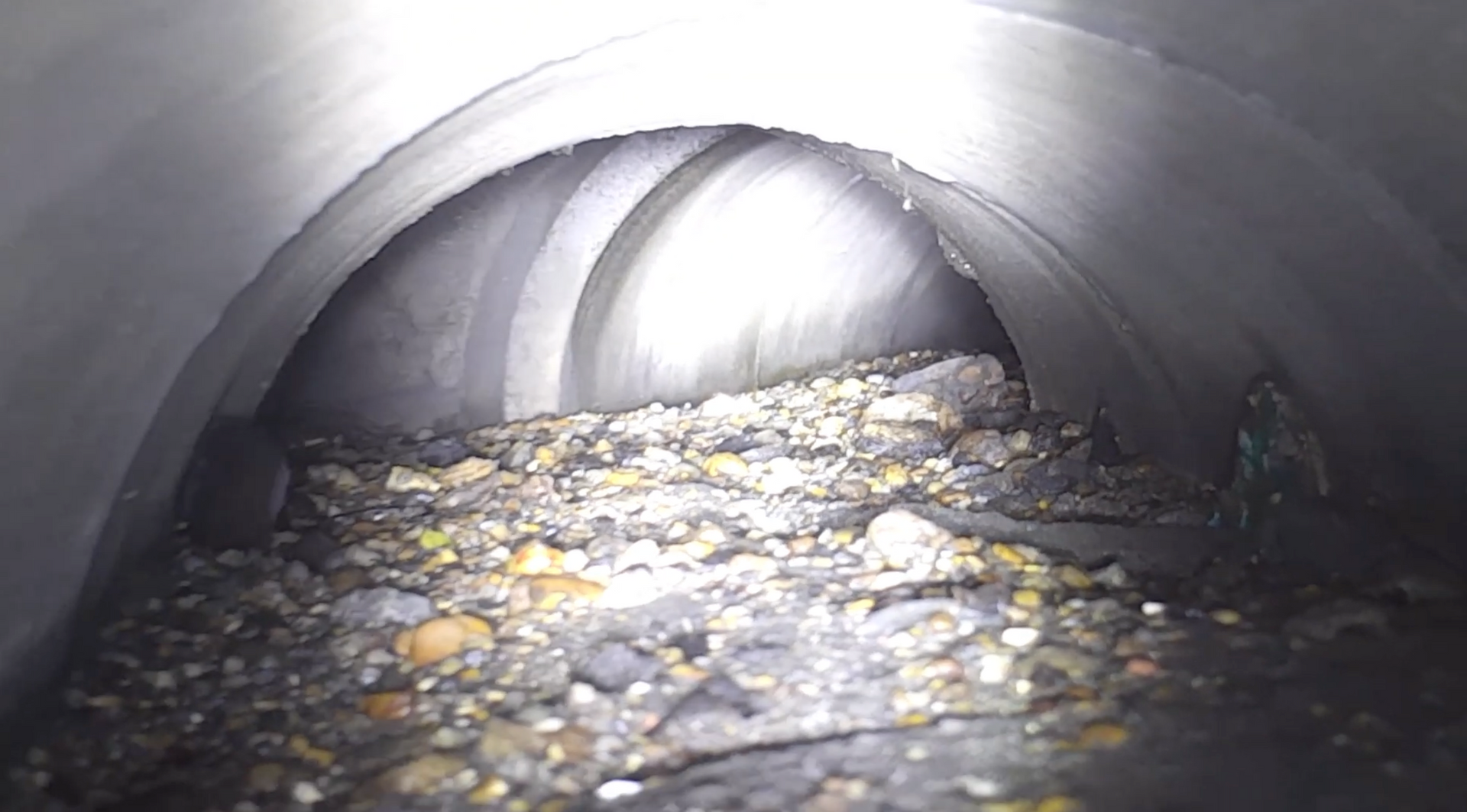
Zoom camera inspections are designed to highlight key indicators of underground infrastructure issues, including debris levels, flow conditions, and obvious structural defects. To help clients avoid unnecessary work and spending, pipes are grouped into clear next steps:


  • Pipes that require cleaning
  • Pipes that warrant traditional CCTV inspection
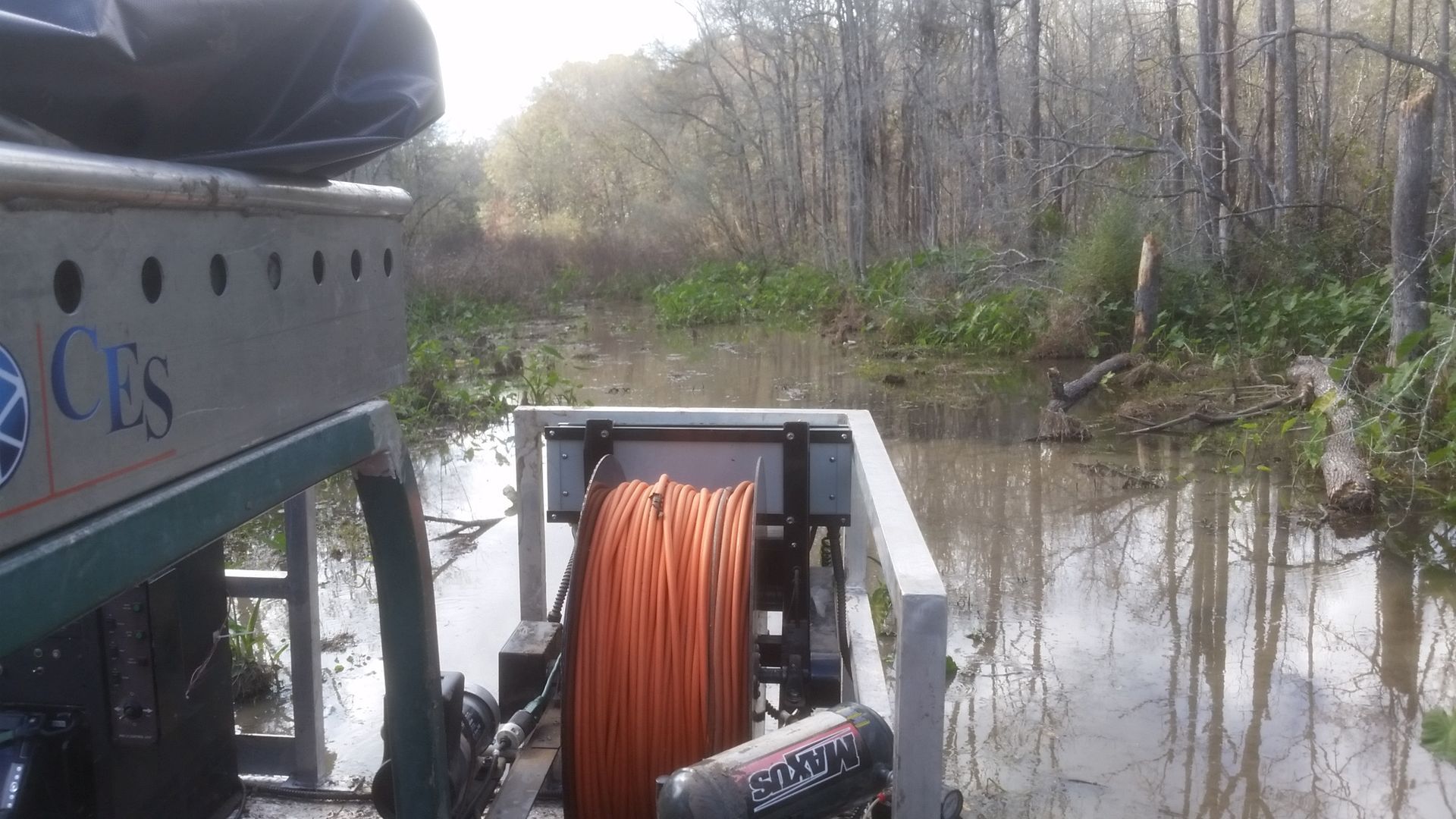
  • Pipes that are surcharged and require sonar or multi-sensor inspection

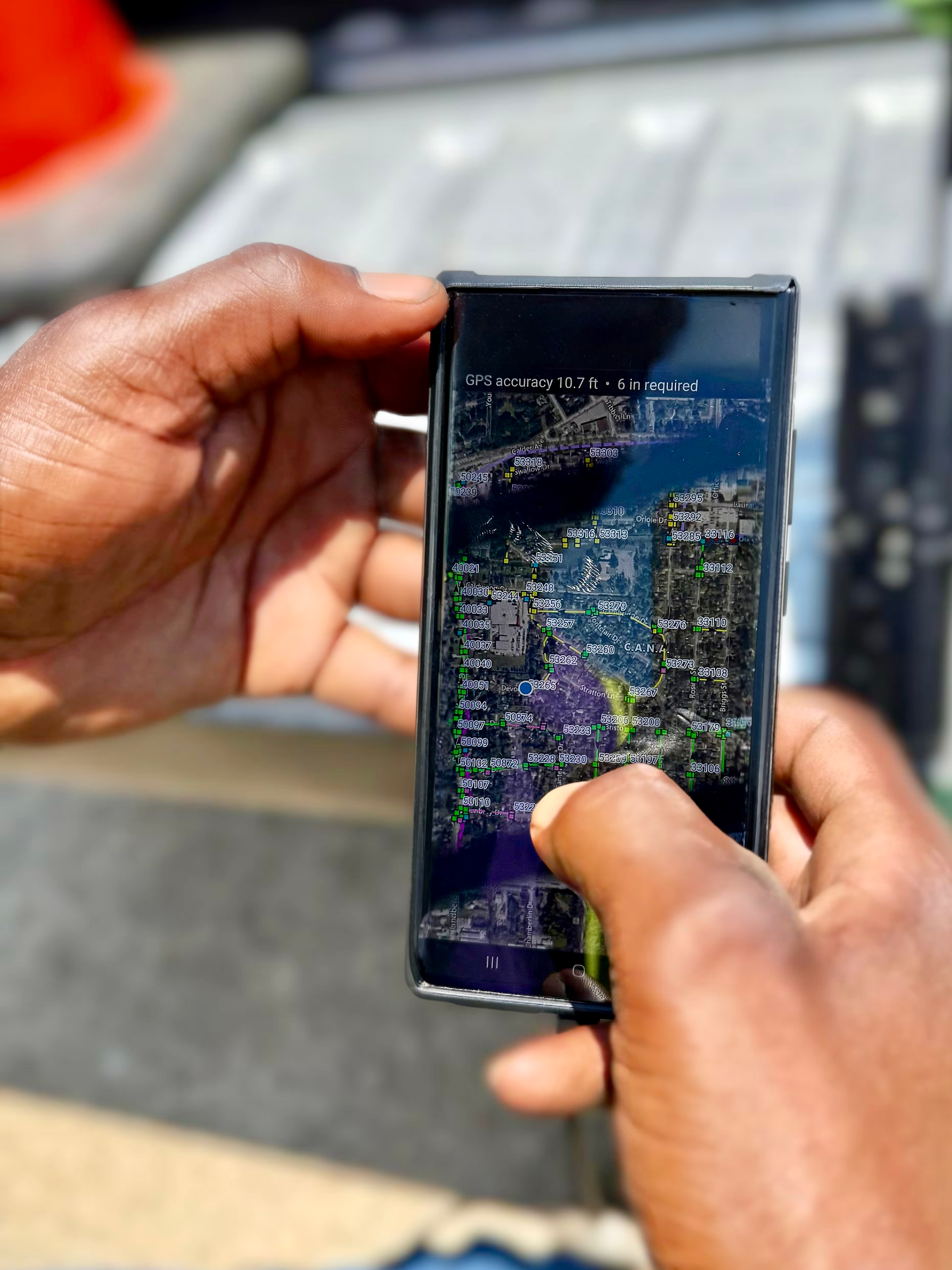
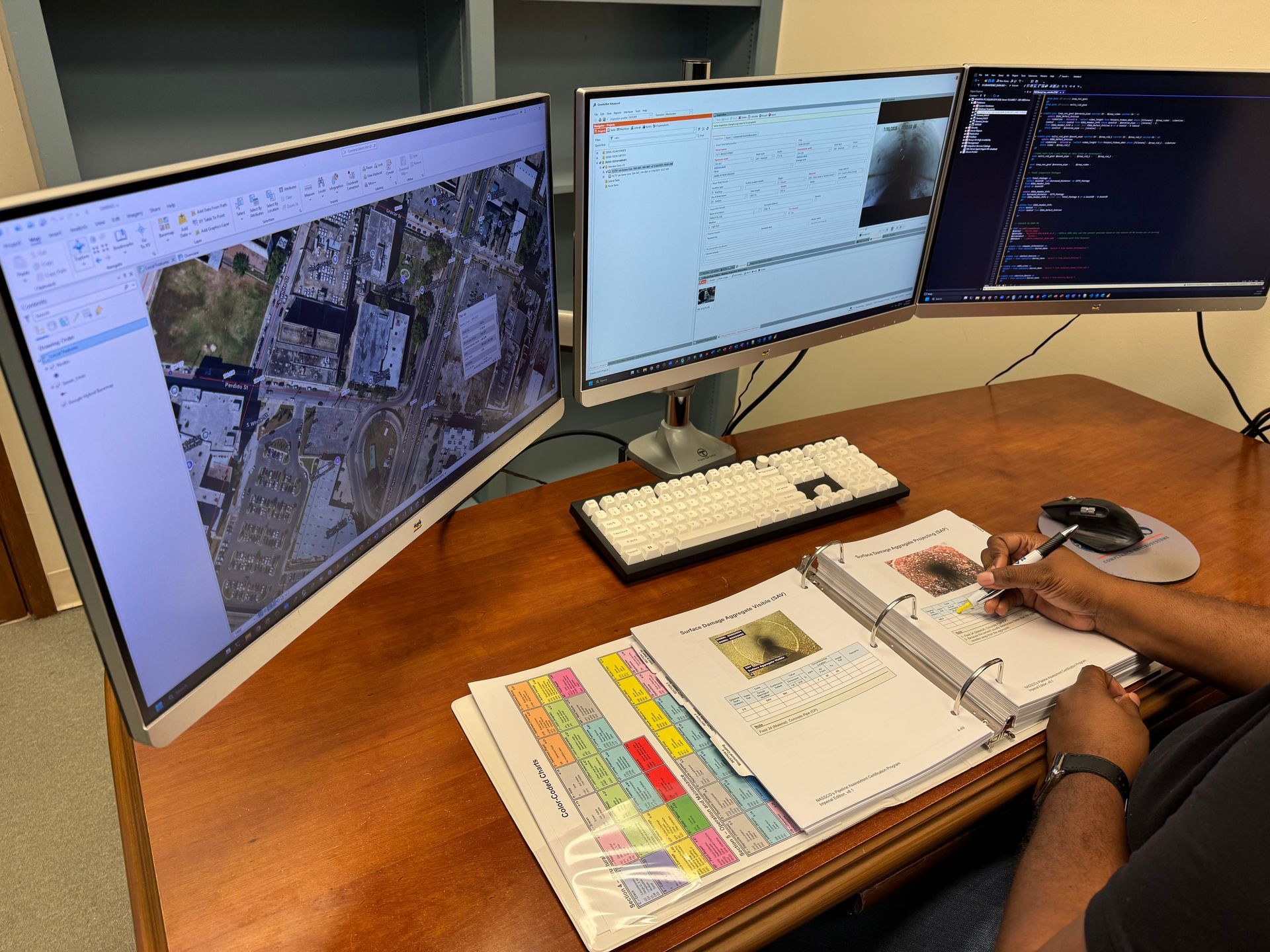
CES logs easy-to-understand data in ArcGIS so clients can take action with data reports that are delivered quickly.

Data That Drives Informed Decisions

The ultimate goal of Zoom camera inspections is to guide follow-up inspections quickly and with confidence. Clients receive GIS-ready data, maps, and summary tables that clearly show their stormwater system’s condition and make cost-effective recommendations. When zoom inspections identify problem areas, CES can then clean those pipes and/or begin CCTV (or other stormdrain inspection services) as needed.

frequently asked questions

What is a Zoom camera inspection?

A zoom camera inspection is a rapid, above-ground method used to assess stormwater pipes from existing access points. It provides a high-level overview of debris, flow, and visible defects to help prioritize follow-up cleaning and pipe evaluations.


How is a Zoom camera inspection different from CCTV inspection?

Zoom camera inspections are designed for quick assessments and prioritization. CCTV inspections provide detailed, NASSCO-coded evaluations and are used when more in-depth analysis is required.


Does this replace CCTV inspection?

No. Zoom camera inspections help determine where CCTV inspection is needed. Pipes with visible or significant defects or concerns are typically followed by traditional CCTV inspections.


What kind of data is collected?

CES records debris levels, water presence, and visible conditions in ArcGIS. The focus is on clear, easy-to-evaluate data rather than detailed defect coding.


When are Zoom camera inspections most useful?

Zoom camera inspections are ideal for large stormwater systems, triage programs, and situations where clients want to understand their overall system condition before committing to cleaning or a full CCTV inspection.


How does a Storm Drain Triage Program work?

The CES triage approach helps clients get the most from their budgets. This is how it works:

  1. Inspect first to understand the overall system condition, including debris levels, structural integrity, and flow conditions 
  2. Clean only dirty pipes (typically only 30-35% of the pipes in a storm drain system)
  3. Evaluate problem areas (only 10-15% of the pipes in a storm drain system) to provide clear inspection data/mapping to guide clients toward the most important repairs or rehabilitation

Sound data leads to more cost-effective planning and fewer surprises.
More questions?

Other Services