
Improve Sewer and Storm System GIS Data Precision with AMP Pipeline Mapping

Alayna Dixon • March 12, 2026

When it comes to managing underground infrastructure assets, many municipalities and utilities rely on drawings that no longer reflect what actually exists underground. Over the years, pipes shift, repairs are made, and records become outdated. When pipe location, slope, or elevation is uncertain, it becomes harder to plan inspections, locate defects, and prioritize rehabilitation needs cost-effectively.

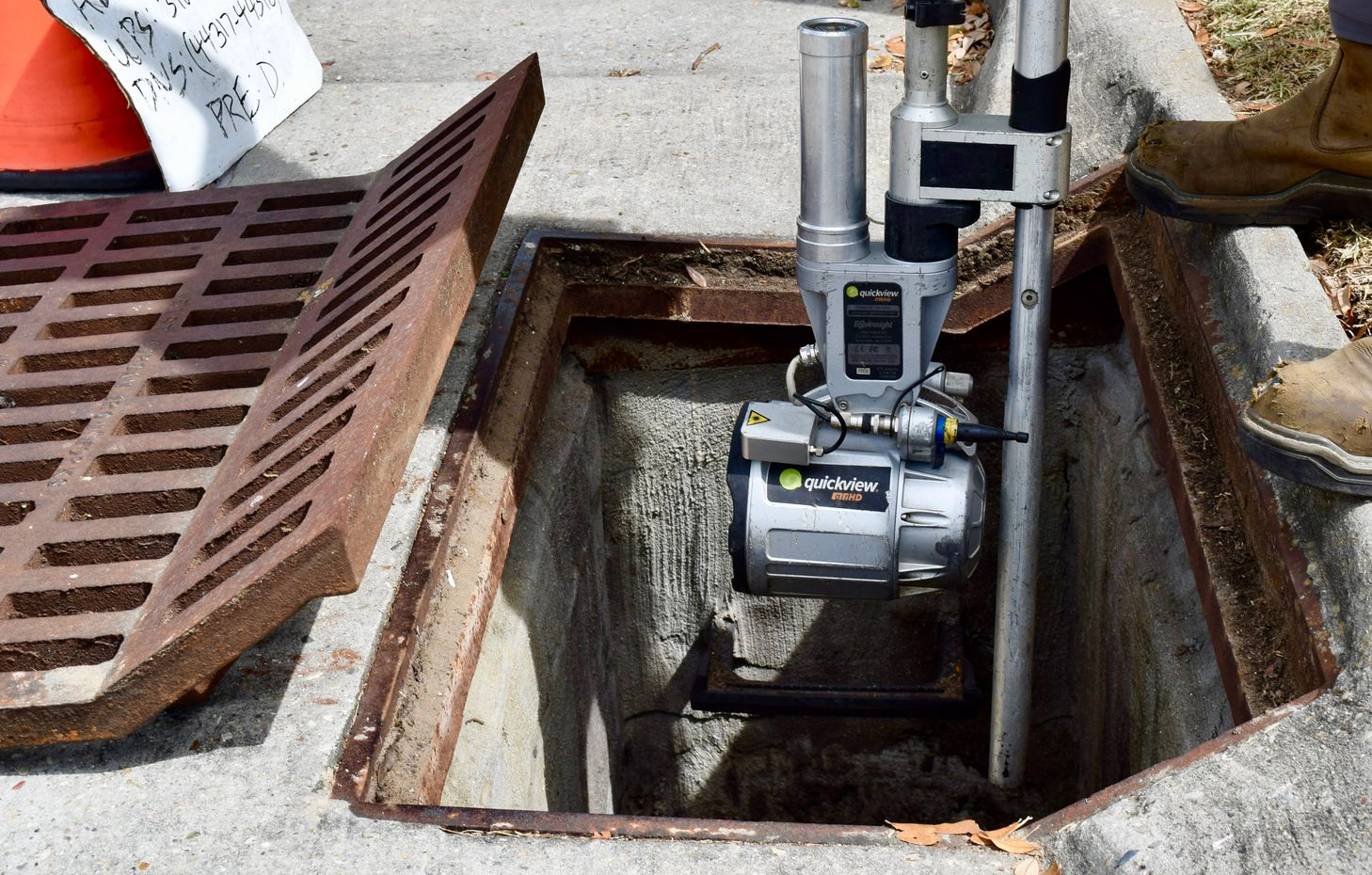
At Compliance EnviroSystems (CES), we use advanced technologies to improve the accuracy of sewer and/or stormdrain system data. One of the most powerful tools available today is the Accurate Mapping Probe, or AMP.


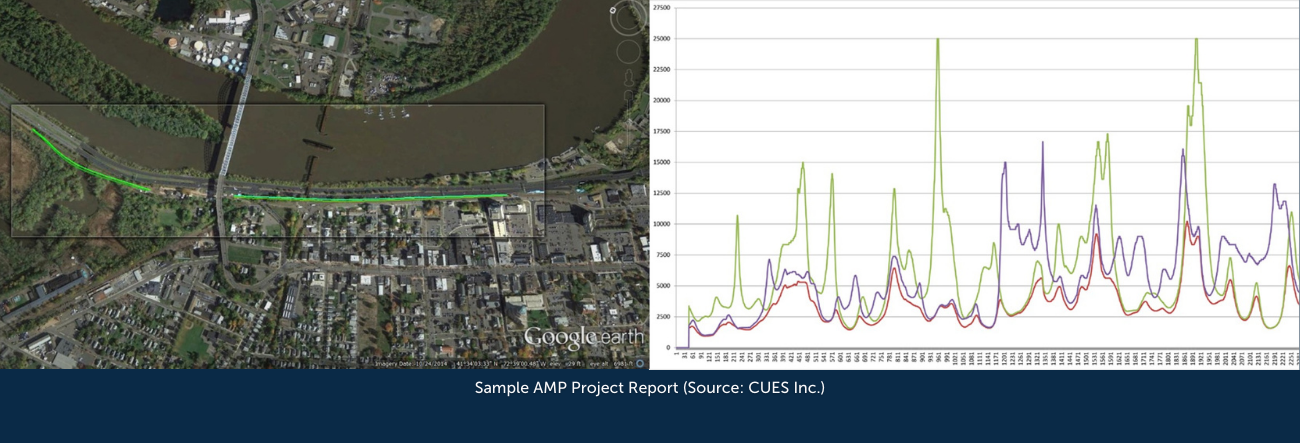
AMP provides highly precise pipeline location and elevation data that facilitates more accurate GIS mapping, improves CCTV inspection accuracy, and helps utilities better understand their underground infrastructure.


With more than 30 years of evaluation experience and over 110 million linear feet of storm system and sanitary sewer system infrastructure inspected, CES uses tools like AMP to give clients the reliable data they need to make informed decisions.

What Is AMP Pipeline Mapping?

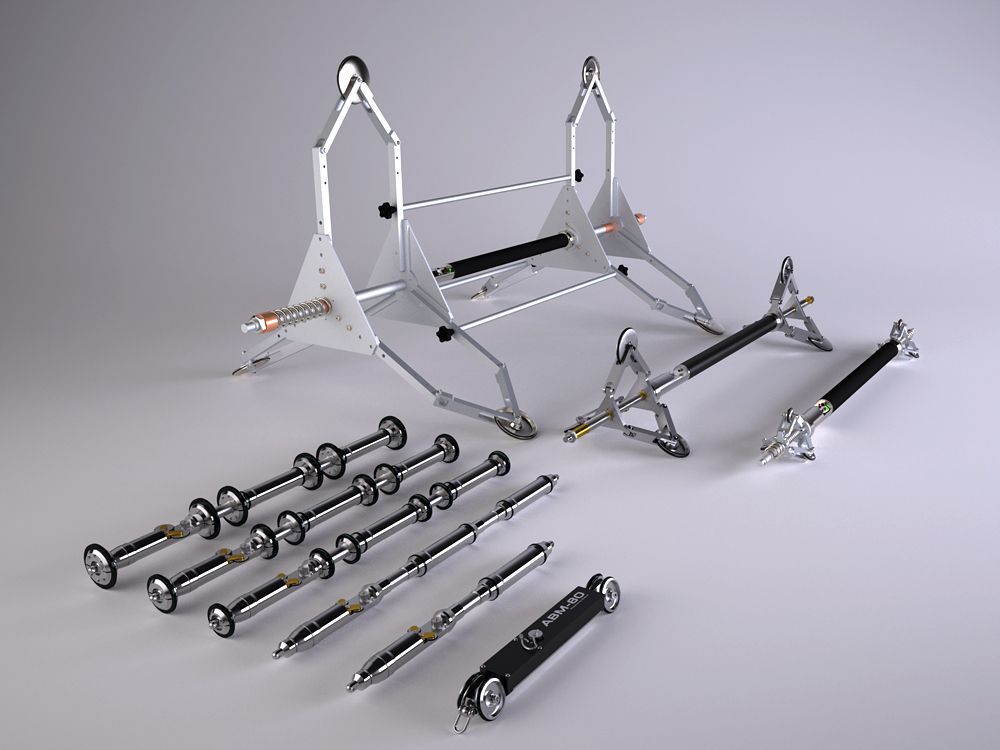
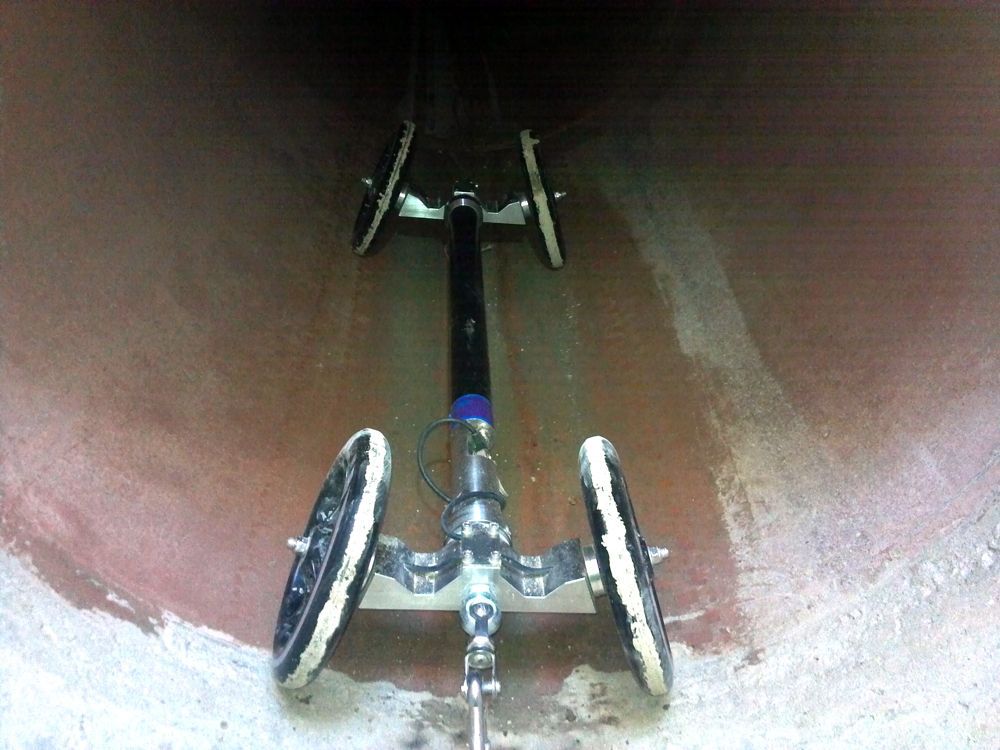
The Accurate Mapping Probe (AMP) is an autonomous pipe mapping system that measures the precise location and geometry of underground pipes.


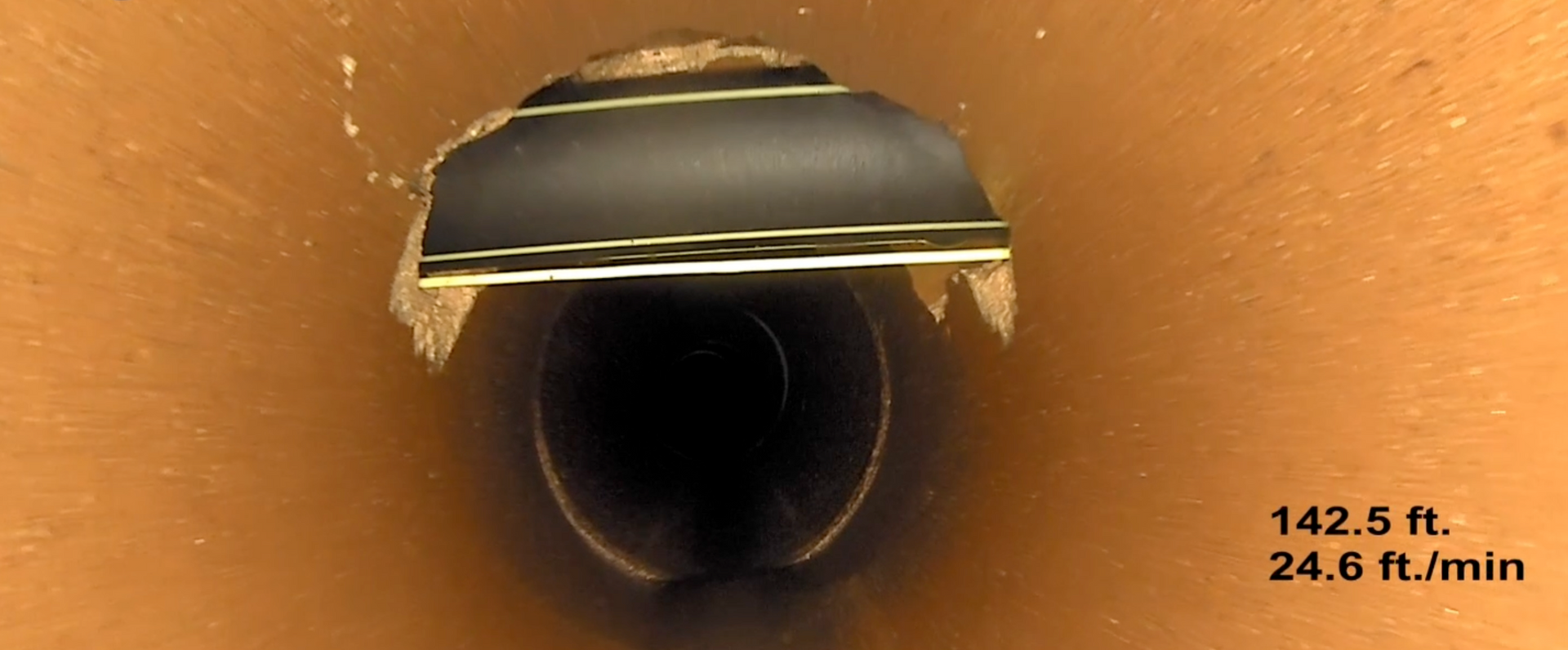
As the probe travels through the pipes, it collects highly accurate positional data. This allows engineers, utility providers, municipalities, and contractors to confirm pipe alignment and detect issues or pipe defects that may impact system performance.


AMP can help identify:

  • Pipe sags that restrict flow
  • Misaligned joints
  • Changes in pipe slope or alignment
  • Locations of structural defects
  • Any inconsistencies in pipe design

This level of precision provides a clearer understanding of how a storm system or sanitary sewer system is functioning below the surface.

Why Accurate GIS Mapping Matters

Many utility, engineering, municipal, and contractor clients are working with incomplete or outdated infrastructure records. Without reliable data, it becomes difficult to locate pipes, verify pipe depth, or understand how defects impact the system.


AMP helps improve GIS mapping by providing precise XYZ pipeline location data that can confirm or update existing records.


When combined with other inspection methods such as CCTV inspection and SSES investigations, this data allows utilities to:

  • Improve the accuracy of GIS mapping 
  • Pinpoint the exact location of pipe defects
  • Plan inspections more efficiently
  • Prioritize rehabilitation projects with confidence
  • Reduce unnecessary cleaning or repair costs

Better Data Leads to Better Infrastructure Decisions

Reliable infrastructure management starts with reliable data.


AMP mapping provides CES clients with a clearer understanding of pipe alignment, slope, and location within their stormwater system or sanitary sewer system. This allows municipalities and engineers to make smarter decisions about maintenance, inspections, and rehabilitation.


At CES, our goal is simple. Deliver accurate data that helps clients protect and manage their underground infrastructure for the long term.


If your system needs more precise mapping data, CES can help you strengthen your GIS mapping and better understand the true condition of your pipes. To learn more or schedule a presentation, contact CES today.

Note: Select photos and technical information in this blog post are sourced from CUES, Inc.

By Alayna Dixon February 16, 2026
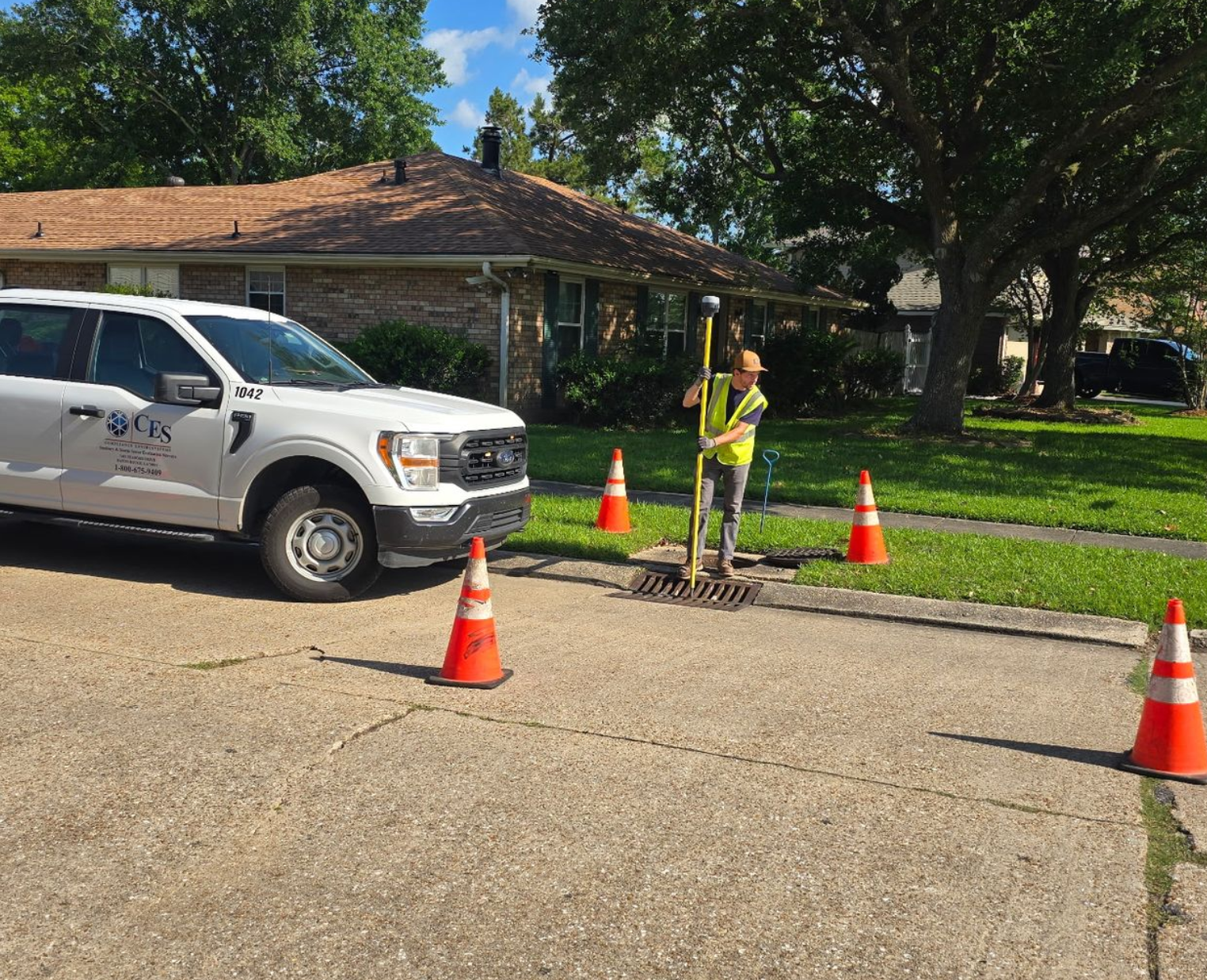
Managing a stormwater system can be challenging because most of the infrastructure is buried and out of sight. Pipes, storm structures, and catch basins can accumulate high levels of debris or develop significant defects without obvious warning signs. Over time, these hidden problems can lead to flooding, road damage, environmental concerns, and expensive emergency repairs.
By Alayna Dixon & Alison Escobar January 15, 2026
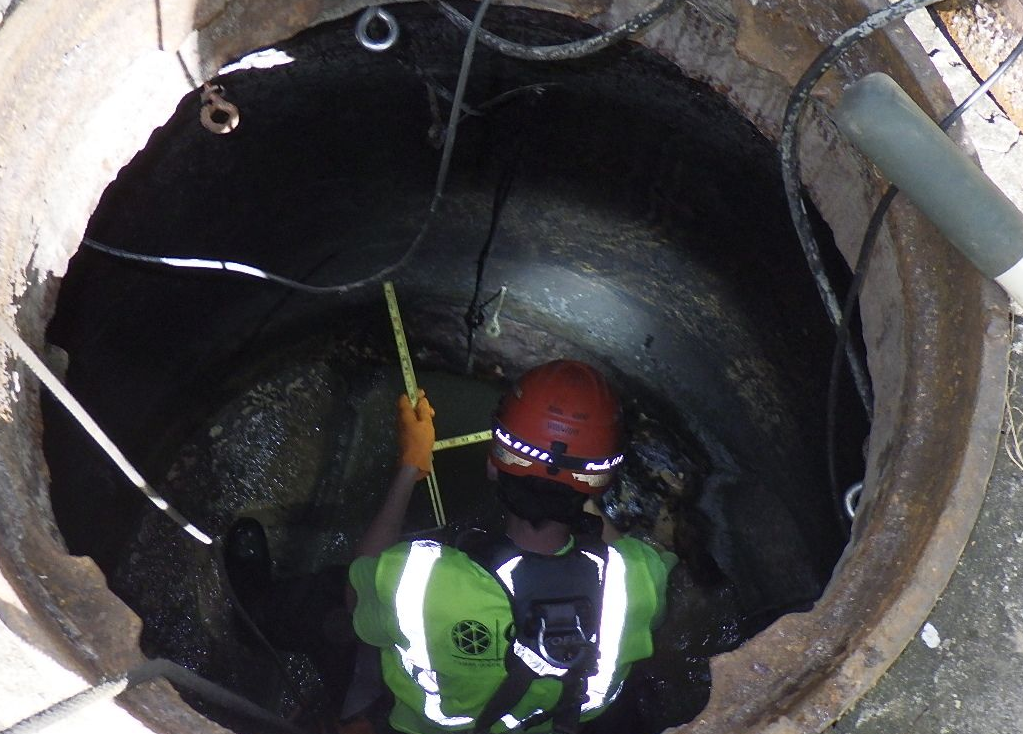
Have you noticed persistent standing water after it rains, slow drainage, foul odors, or visible debris accumulating inside or around your system’s catch basins? These issues are often tell-tale signs that your stormwater structures need attention.
By Alayna Dixon December 10, 2025
Have you noticed unexpected flow spikes after it rains, manholes overflowing, or capacity issues with your sewer or stormwater system?
By Alison Escobar & Alayna Dixon November 10, 2025
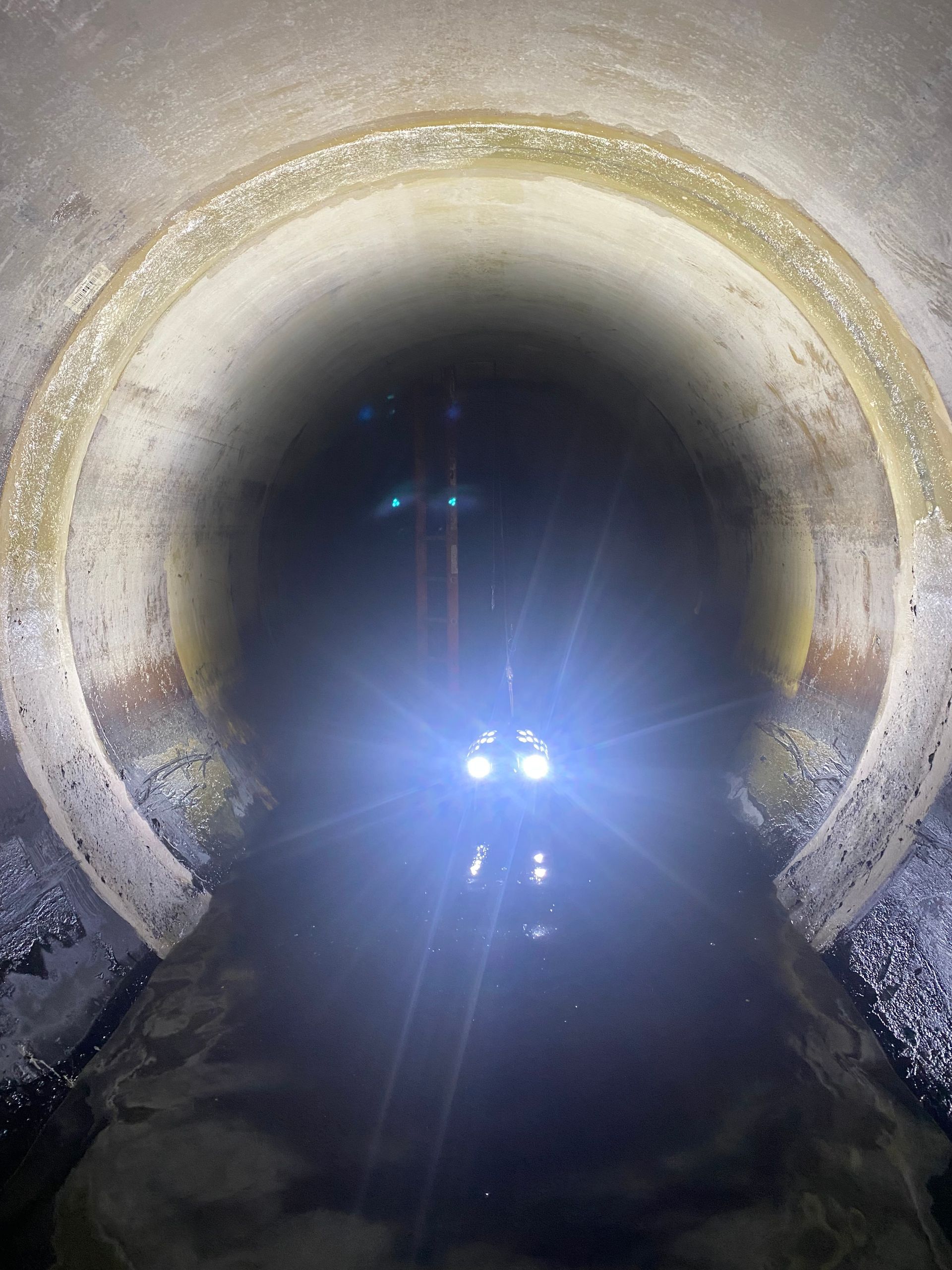
Do you notice persistent odors, high-flow levels, or signs of structural wear in your sanitary sewer or stormwater system? These issues often indicate the need for a more thorough inspection of your system, particularly concerning large-diameter pipes. Traditional inspection methods can leave large portions of pipes unexamined, especially in high-flow or large-diameter scenarios. At Compliance EnviroSystems (CES), we use a smarter inspection technique to ensure systems are operating at full capacity: Sonar and Multi-Sensor Inspections.
By Alison Escobar & Alayna Dixon October 15, 2025
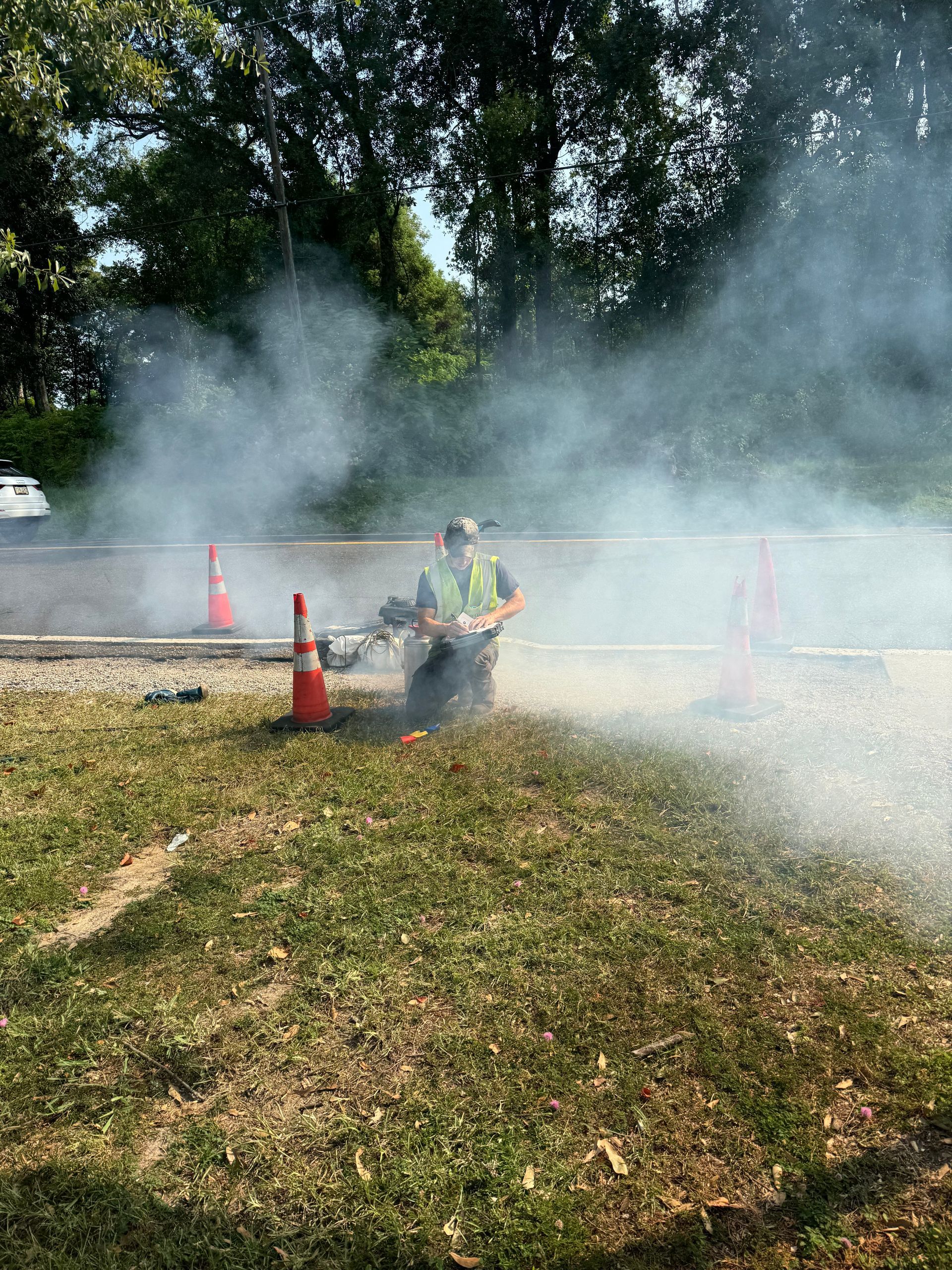
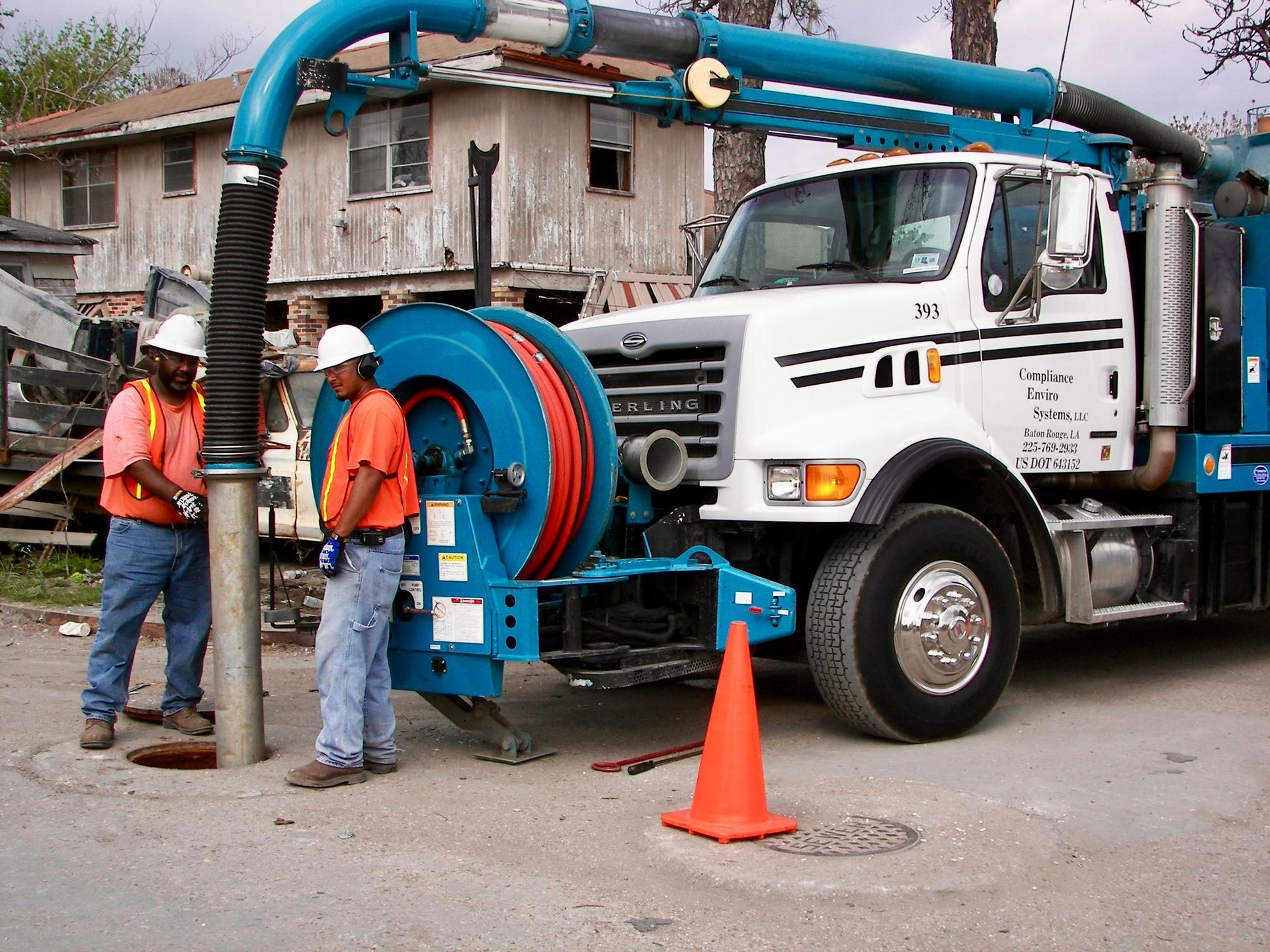
Common challenges for municipalities, engineers, and utility providers are undetected leaks and inflows that overwhelm the sewer system. When you don’t know where Inflow and Infiltration (I/I) comes from or what is causing your system’s issues, you often end up spending more money than is necessary to fix it. At Compliance EnviroSystems (CES), we provide a smarter, quicker, and more cost-effective solution: Smoke Testing.
By Alayna Dixon August 29, 2025
On August 29, 2005, Hurricane Katrina struck the Gulf Coast, causing substantial devastation across South Louisiana and Mississippi. Levee failures flooded New Orleans, thousands of lives were lost, and entire communities were forever changed. For those of us who call Louisiana home, Katrina is not just a moment in history. It’s personal.
April 14, 2025
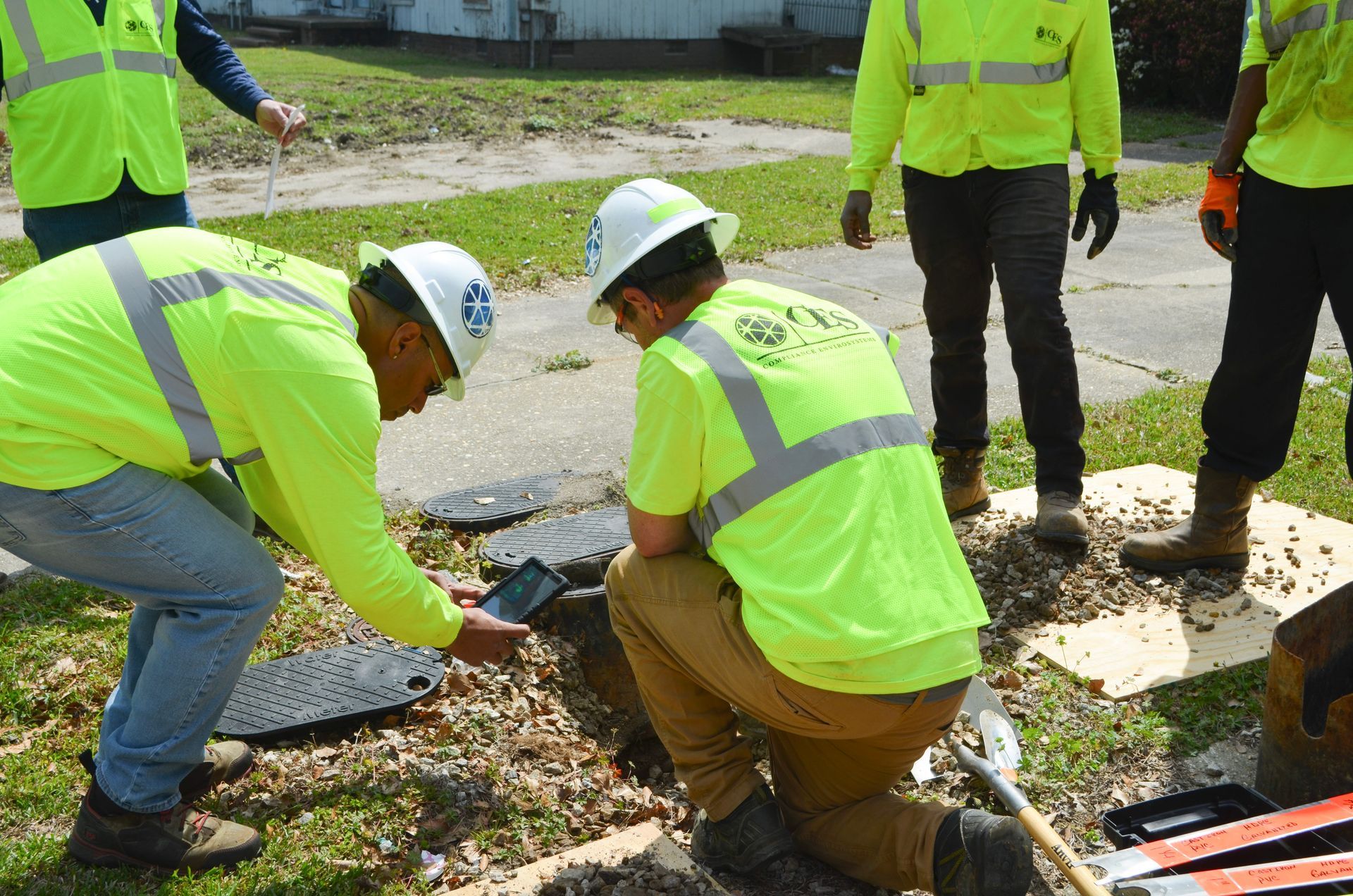
On October 8th 2024, the EPA issued a final rule requiring drinking water systems across the country to identify and replace lead pipes within 10 years.
By Josh Graham April 2, 2025
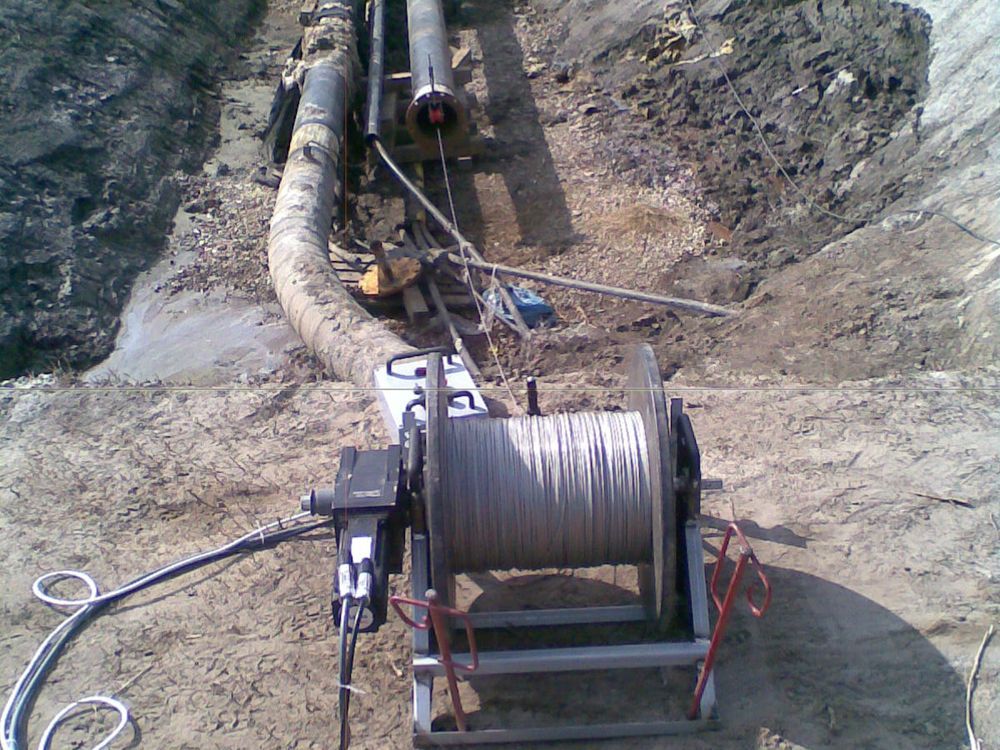
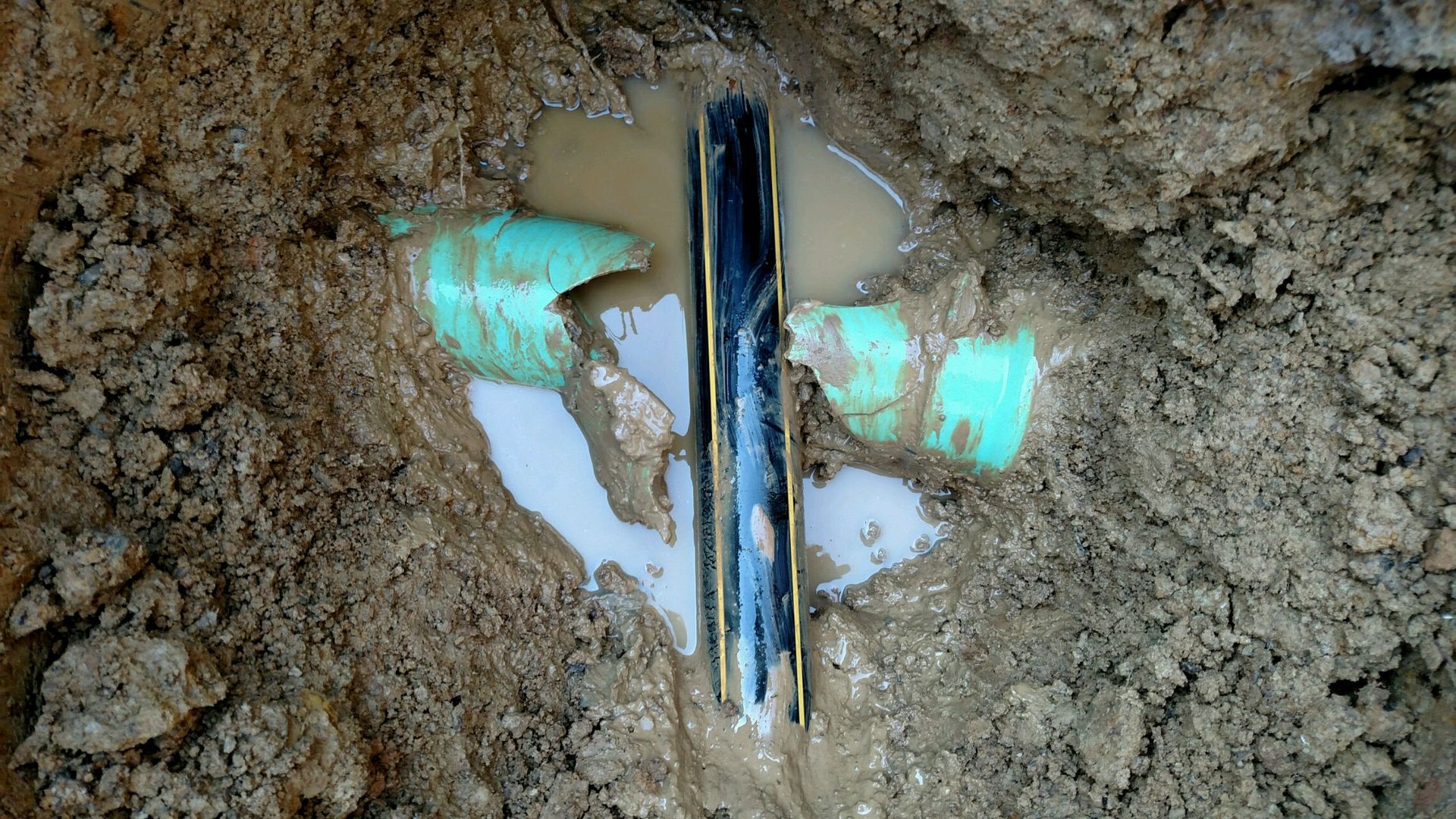
Since the 1970s, gas utilities and contractors have utilized trenchless technologies such as moles, plows and Horizontal Directional Drilling (HDD) to install natural gas pipelines across the United States.