How do I decide whether hydro-excavation is necessary for my system?
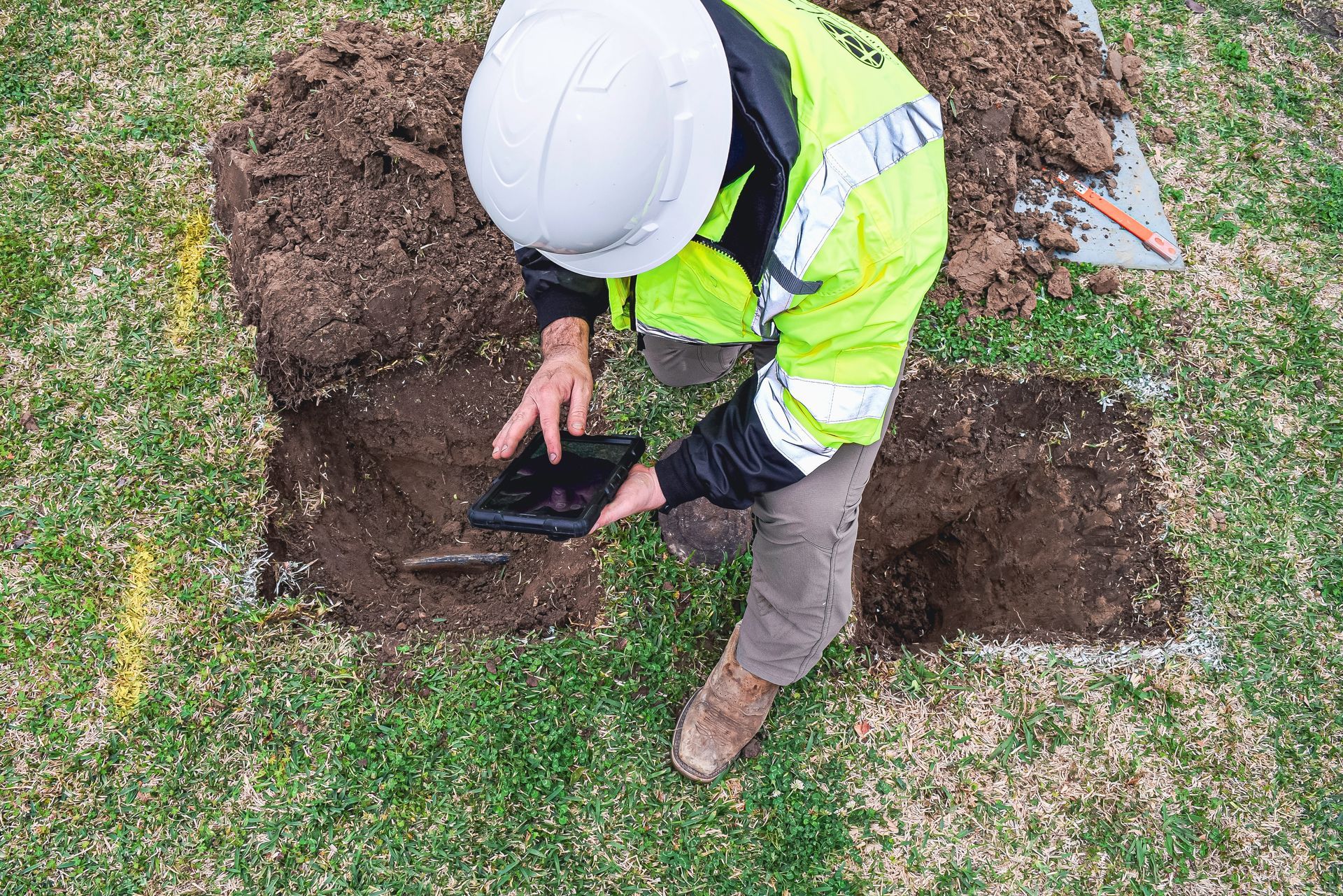
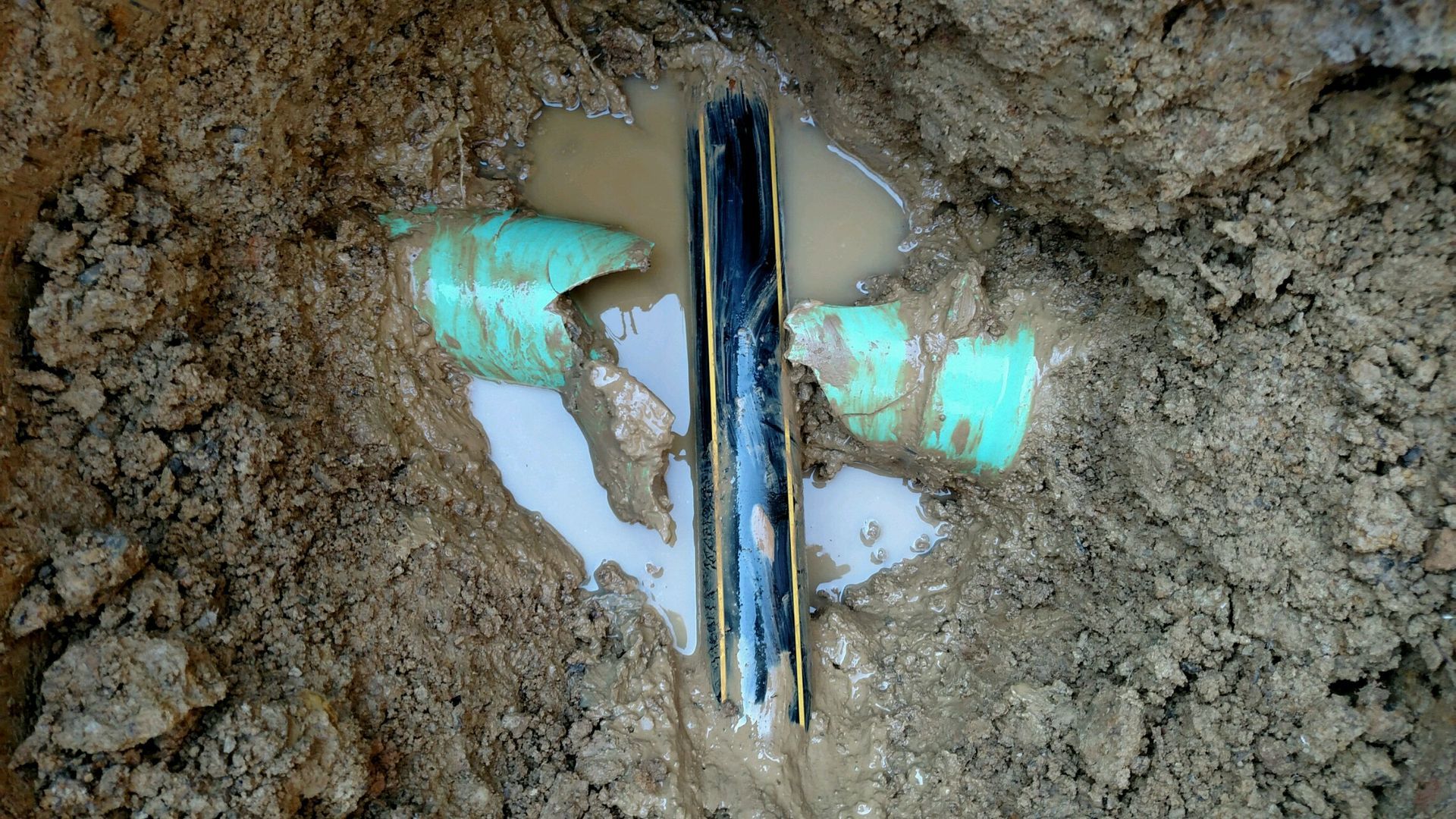
Hydro-excavation is necessary when you don’t know where your underground utilities are. If your assets aren’t properly mapped or you have no records of them, hydro-excavation allows you to safely determine their locations, update records, and ultimately reduce risks on upcoming or future projects.
In what cases is hydro-excavation most commonly used?
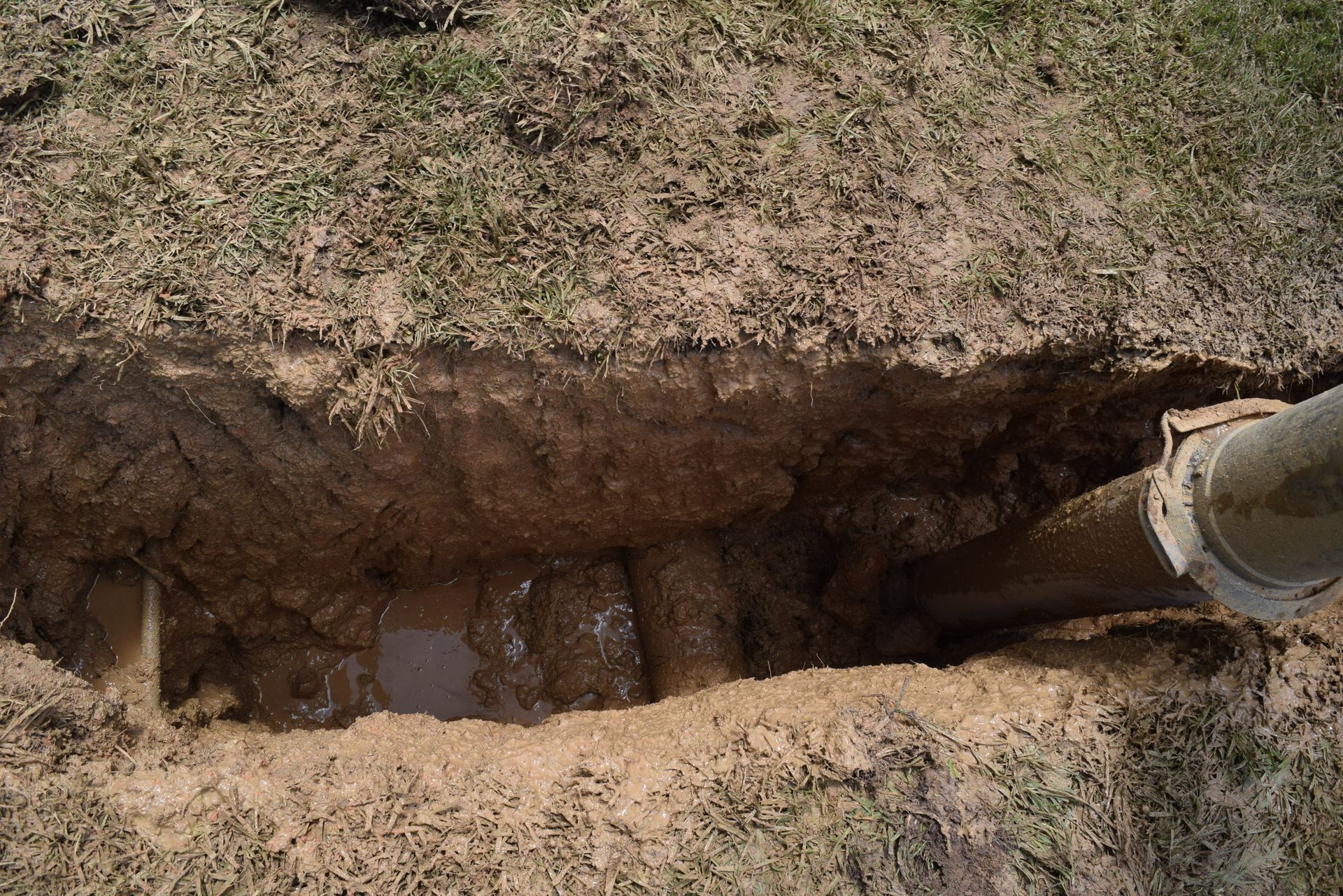
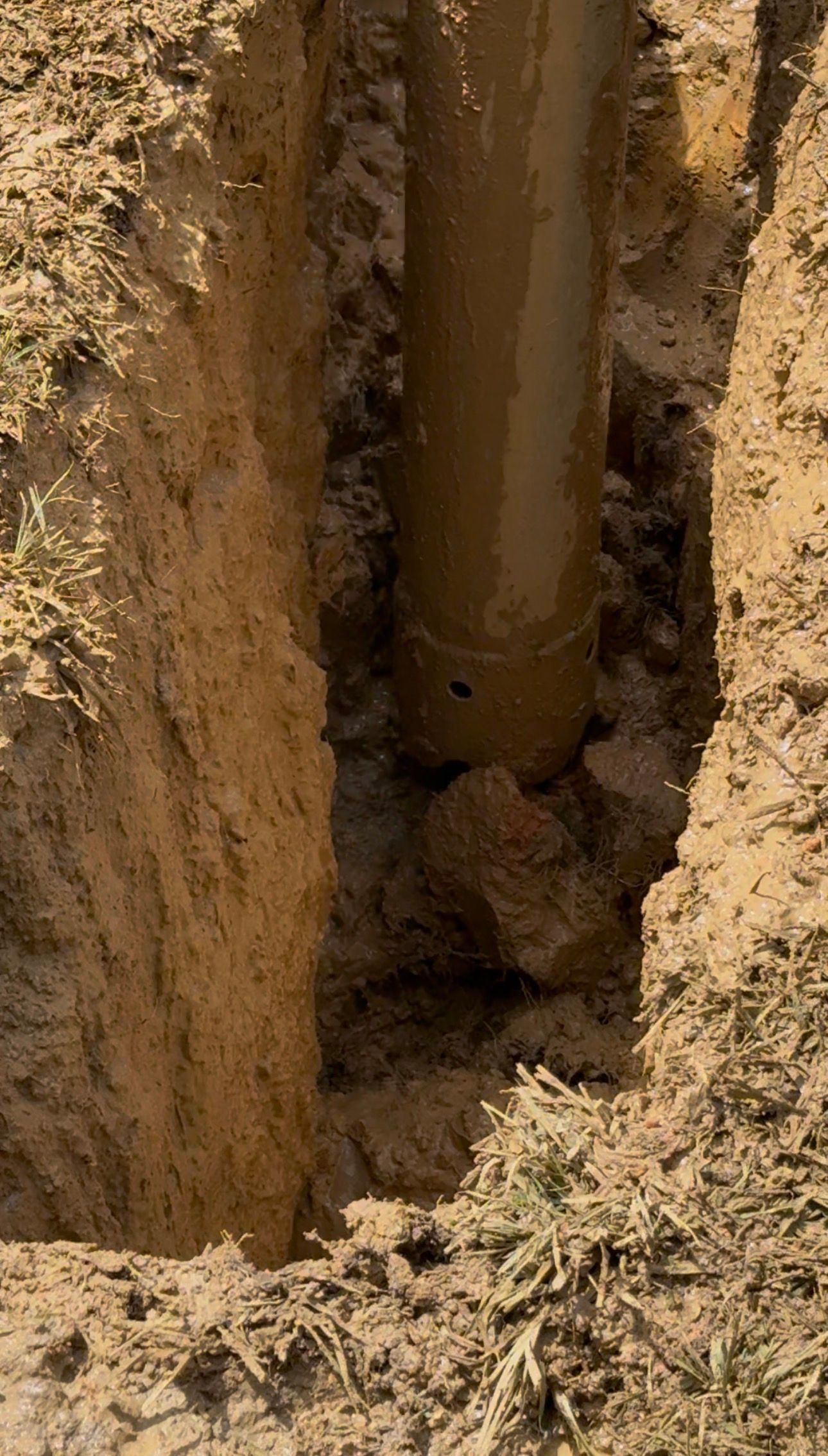
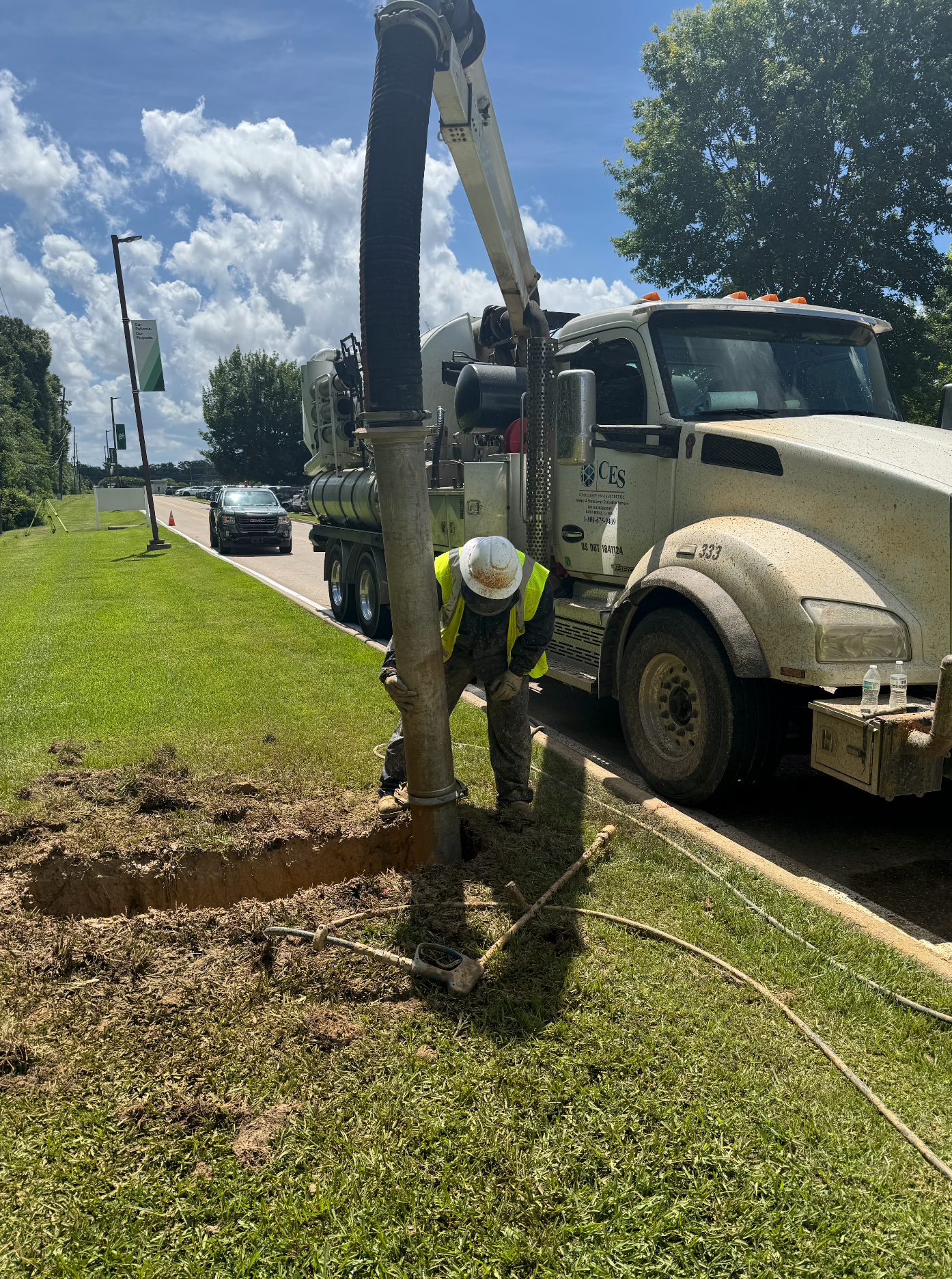
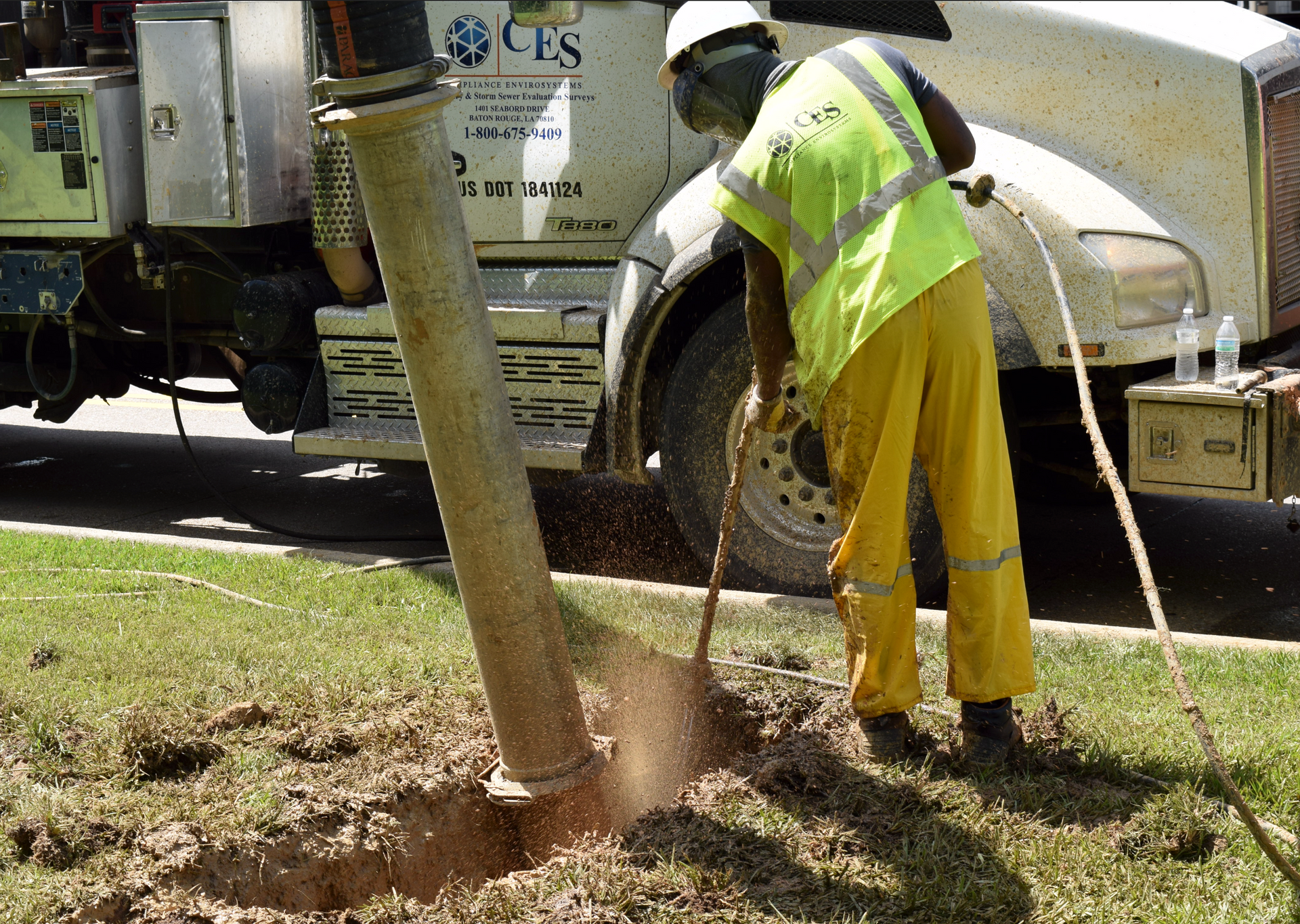
Hydro-excavation is commonly used for utility locating, potholing, daylighting, trenching, pipeline and sewer maintenance, sign and pole installation, and excavation in congested areas where underground infrastructure may be present. Hydro-excavation is especially valuable when precision is required to avoid damaging buried utilities.
How is hydro-excavation safer than traditional digging?
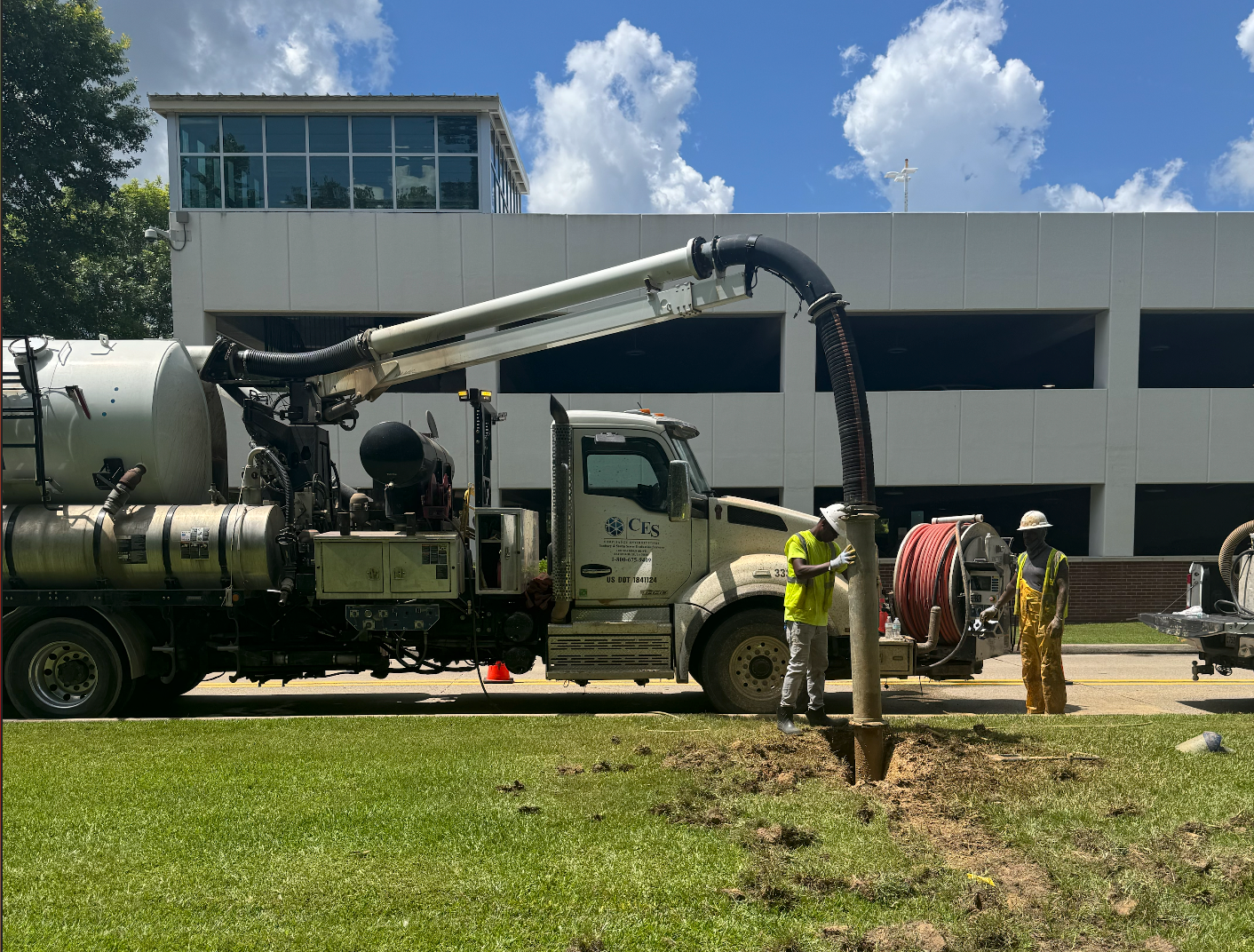
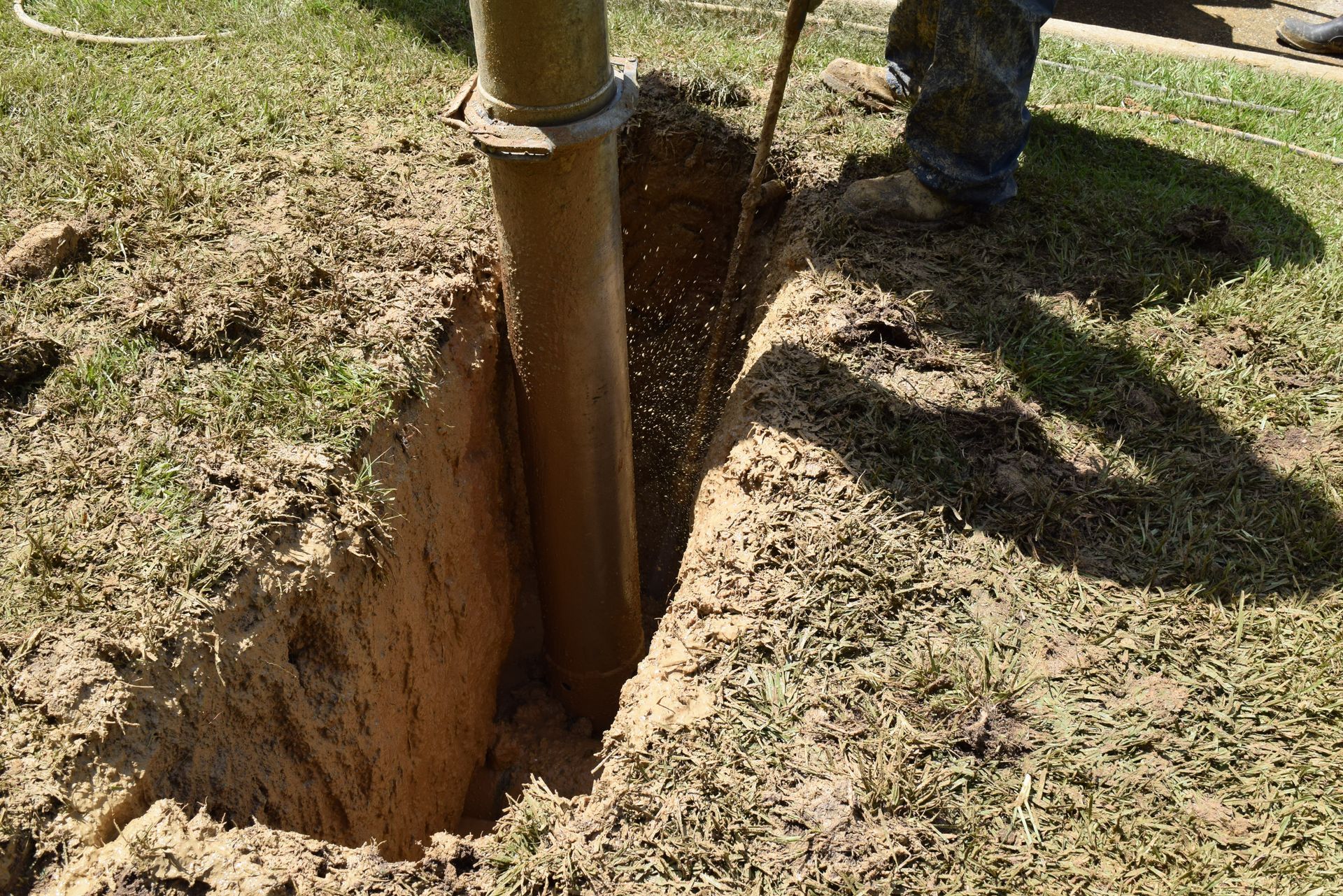
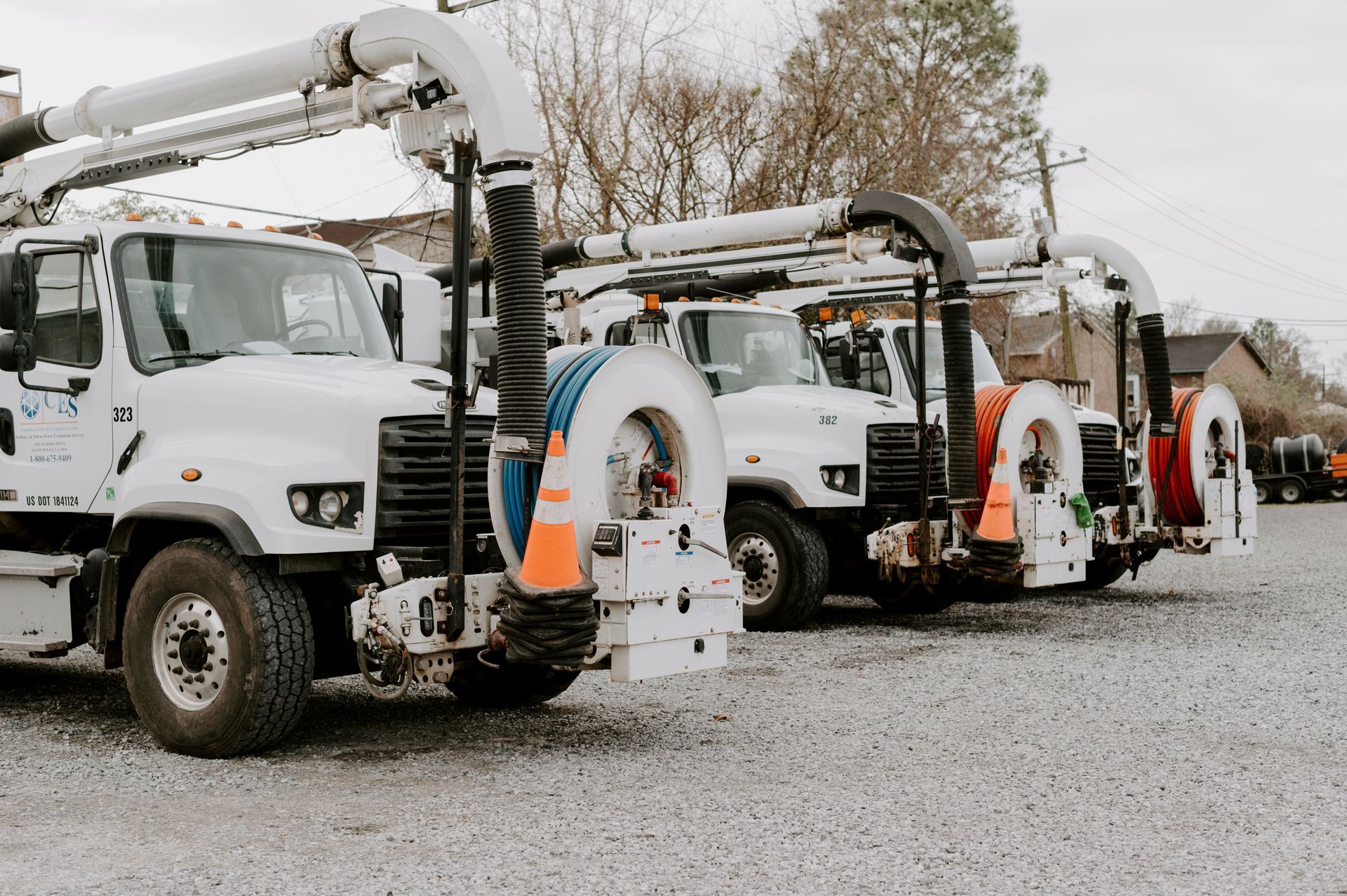
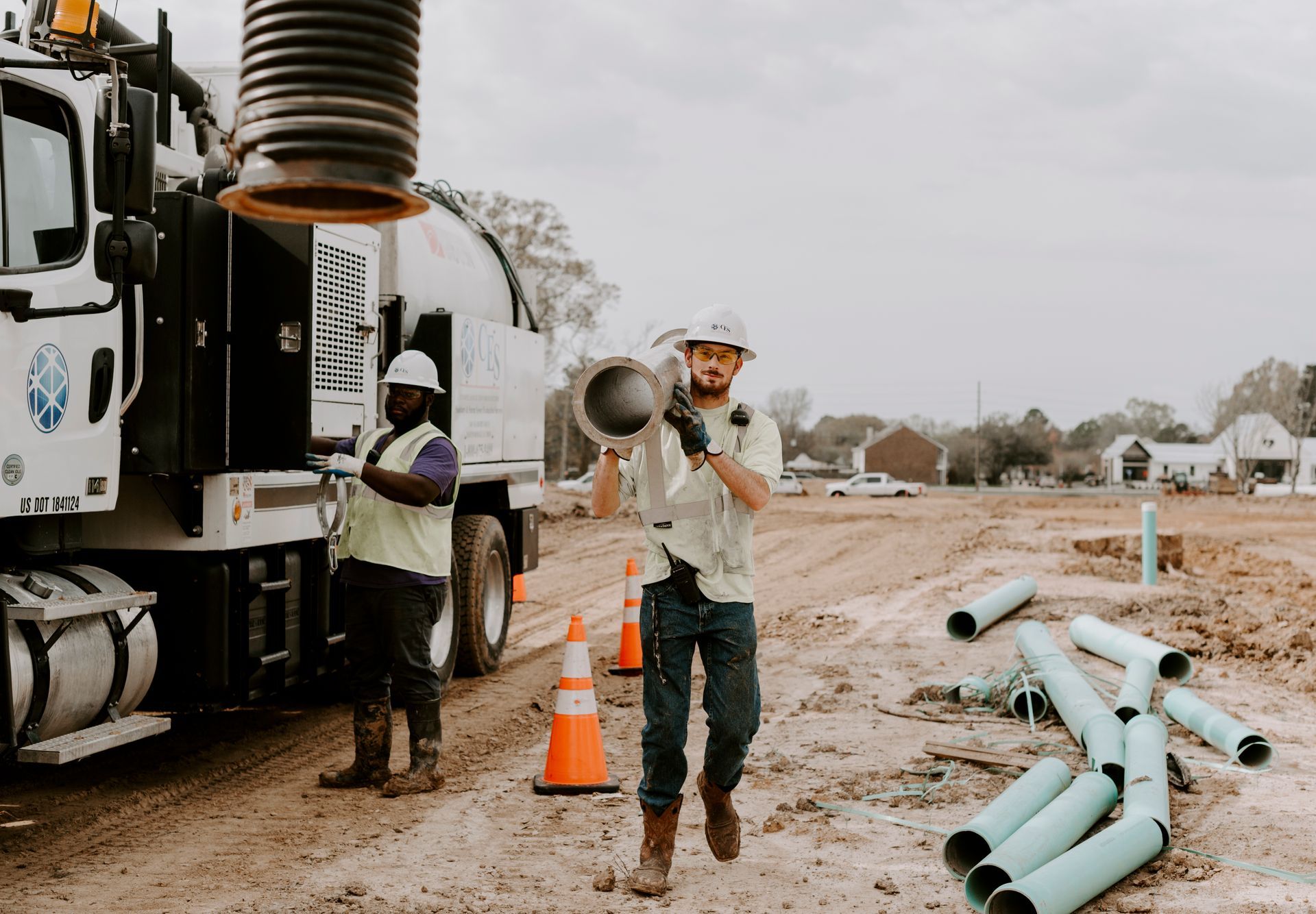
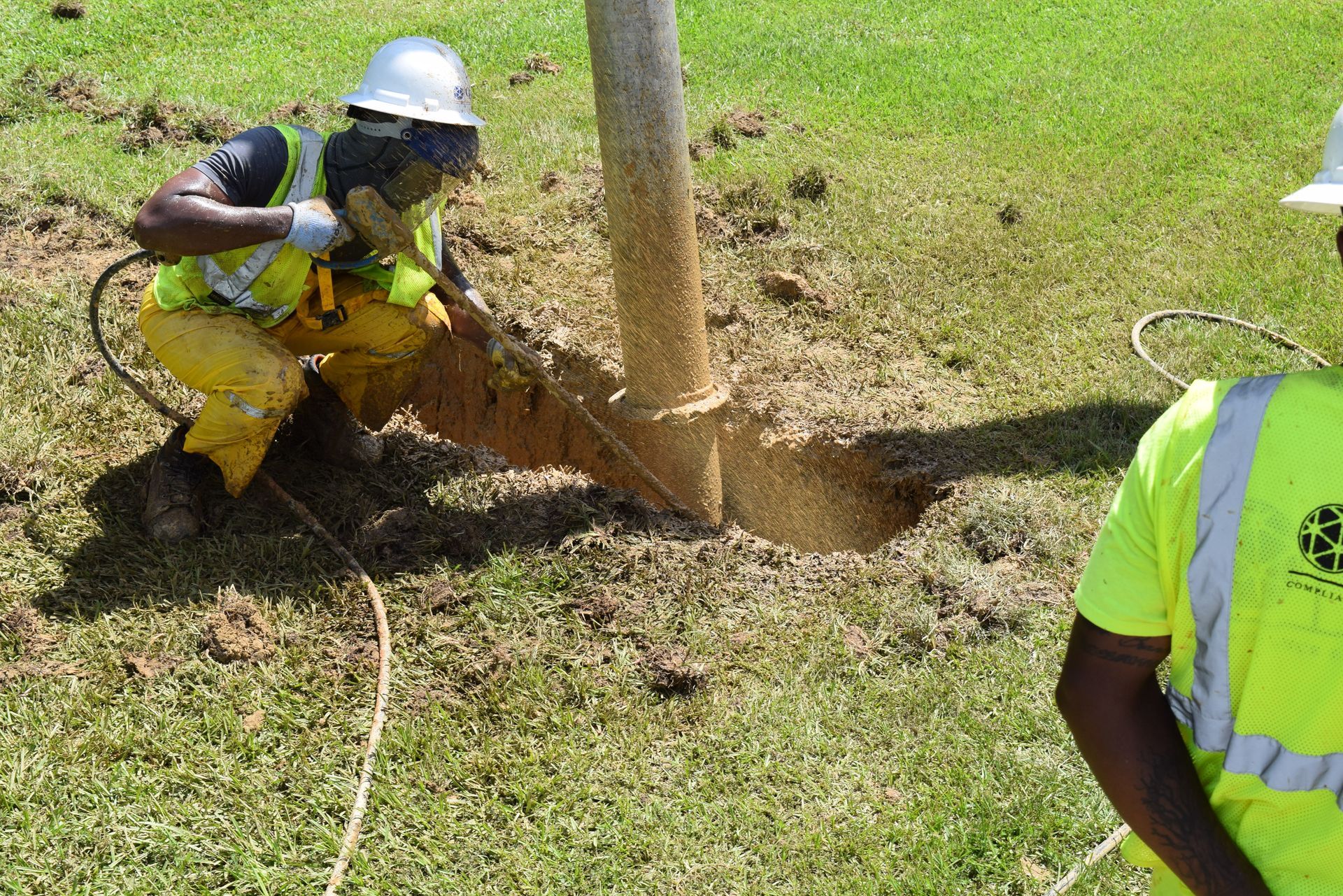
Hydro-excavation uses pressurized water and powerful vacuum trucks to remove soil without the force of traditional excavation equipment. This significantly reduces the risk of damaging underground utilities, and it minimizes disruption to surrounding infrastructure. Hydro-excavation also creates a safer work environment overall for both crews and the public.
Where does the debris go after it’s been vacuumed?
The soil/debris removed during hydro-excavation is collected in a large debris tank mounted on the vacuum truck. It is then hauled and dumped or recycled in accordance with the client’s project requirements and local regulations.
Does hydro-excavation cost more than other excavation methods?
While hydro-excavation may have a higher upfront cost than traditional digging methods, it often reduces overall project expenses by preventing utility strikes, reducing the costs of site restoration, and improving jobsite safety. In many cases, the long-term savings outweigh the initial investment, making hydro-excavation a very cost-effective method.
Do I still need to call 811 before hydro-excavating?
Yes. Even though hydro-excavation is considered a safe excavation method, all excavation activities must begin with a call to 811.
Why choose CES for hydro-excavation?
CES combines experienced field crews, specialized equipment, and a commitment to safety to perform reliable hydro-excavation services for utility, wastewater, stormwater, and infrastructure projects. Our team understands the importance of protecting underground assets while keeping projects on schedule and within budget, and crews are trained to efficiently conduct all excavation activities.